it has more coats of arms than schist on show
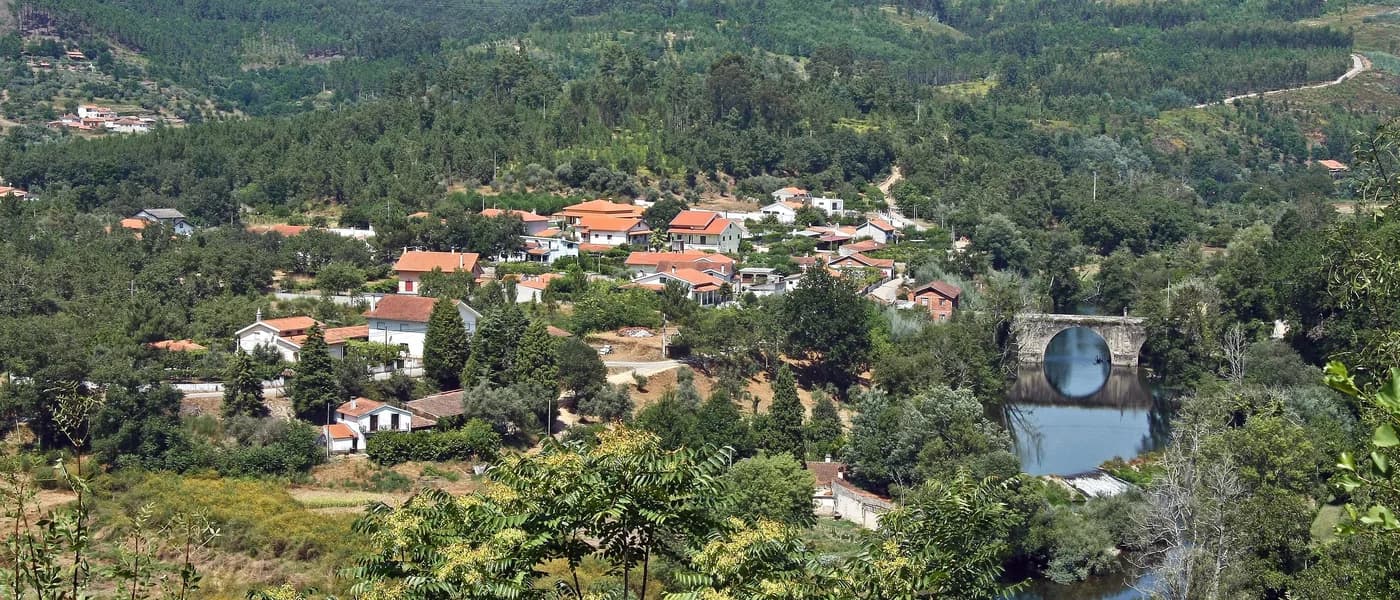
Anyone passing on the EN342 can drive through the village without realising. The road doesn't cut through the old quarter, which is on the other side, and those who don't know assume it's just another mountain village. Wrong. Vila Cova de Alva is the Aldeias do Xisto village with the largest monumental ensemble in the whole network: two 17th-century manor houses (Solar dos Condes da Guarda, Solar Abreu Mesquita), the Convento de Santo António, a Casa da Praça from the same century that served as the old town hall, court and jail, a Manueline pillory, the Igreja Matriz, the Igreja da Misericórdia. All of it clustered around the Largo da Igreja Matriz and the Pelourinho.
The explanation is in the history. It was a town and municipality seat until 1836, with the Bishop of Coimbra as donatário. It was called Vila Cova de Sub-Avô until 1924, because it sat downstream from Avô following the course of the Alva. On what is now known as the Rua Quinhentista, doorways and windows still show Manueline frames, and a coat of arms stone dated 1536 (Castelo Branco, Britos, Costas e Castros) is set into the frontage of a building. The Convento de Santo António started being built in 1713 by Capuchin friars of the Order of Saint Francis who had arrived in the village in 1710 and had begged across the surrounding towns to raise the money. The Igreja Matriz, dedicated to Nossa Senhora da Natividade, has been complete since 1712. For a time the village was also known as Vila Cova dos Frades.
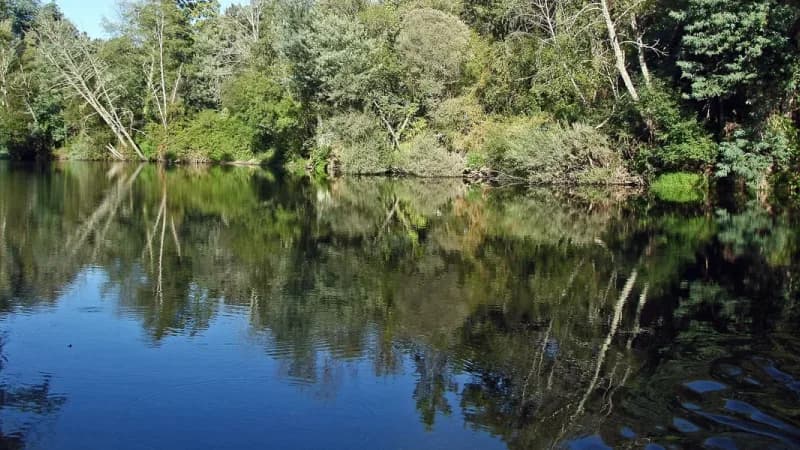
The pointed turret at each corner that Mário Braga describes in the novel Vale de Crugens (1958) is literal: the novel is about this village, with the name changed but everything else recognisable, including the character Maria da Natividade, who shares the name of the patron saint. The Alva flows below and there's a river beach in summer. It's one of the white villages of the network, with the schist hidden under whitewashed render, and the direct comparison is easy if you come from Piódão or Benfeita, on the other side of the Serra do Açor. In the upper part of the parish, reached by the Caminho do Xisto that starts in the village, are the springs that supply everything and the Chapel of S. João de Alqueidão, the old parish church before the current one.
good to know
- the old quarter is off the road that runs through the village; you have to go in
- until 1924 it was called Vila Cova de Sub-Avô; it was also known for a time as Vila Cova dos Frades
- the church of the Convento de Santo António can be visited; the rest has been private property since 1841
- river beach on the Alva in summer; the bucho of Vila Cova has its own brotherhood