the little schist houses the hills hid for centuries
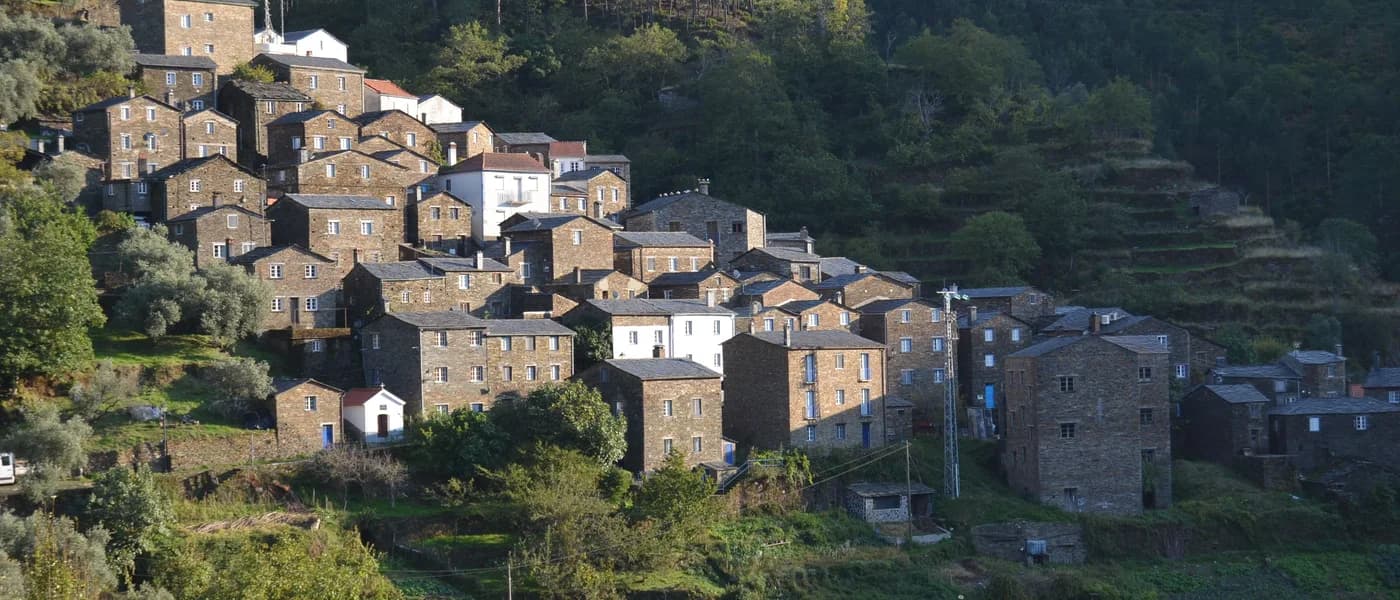
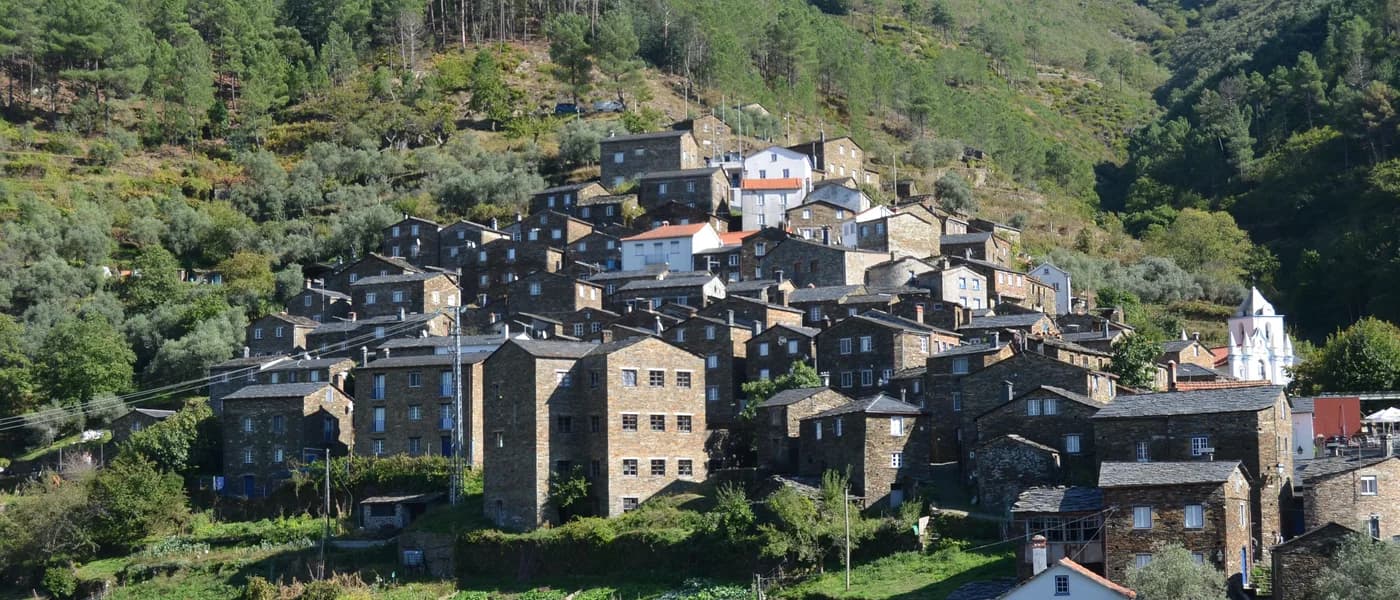
You reach the right bend and it's as if the mountain folded over itself to protect what's inside. Schist houses stacked on terraces, shutters and windows painted blue against the dark stone, the village tumbling down the Serra do Açor slope towards the stream. Piódão wasn't discovered by accident: for centuries it was deliberately hard to reach. Today it's part of the Aldeias Históricas de Portugal network, has been classified as a Property of Public Interest since 1978, and won in the Remote Villages category of the 7 Maravilhas de Portugal.
Schist remained the only possible material here, not for aesthetics or fashion, but out of necessity and a building tradition that wasn't replaced. Not a single house breaks the pattern. The exception that proves the rule is the Igreja Matriz de Nossa Senhora da Conceição, in the centre: whitewashed with blue details, it rises above the schist houses and works as your navigation point when you get lost climbing the stone paths. It was rebuilt in the late 19th century over a 17th-century church.
There's a museum in the village and a river beach at the bottom of the slope. But if you've come this far, make the effort to continue four kilometres to Foz d'Égua, with its suspension bridge and the confluence of the streams: it's as essential to the experience as Piódão itself. Go early or stay for the end of the day, when the groups leave and the Serra do Açor closes back over the village with that light that the schist absorbs differently depending on the hour.
good to know
- schist paths on the hillside that don't forgive smooth soles
- go early or late afternoon to escape the coach crowds
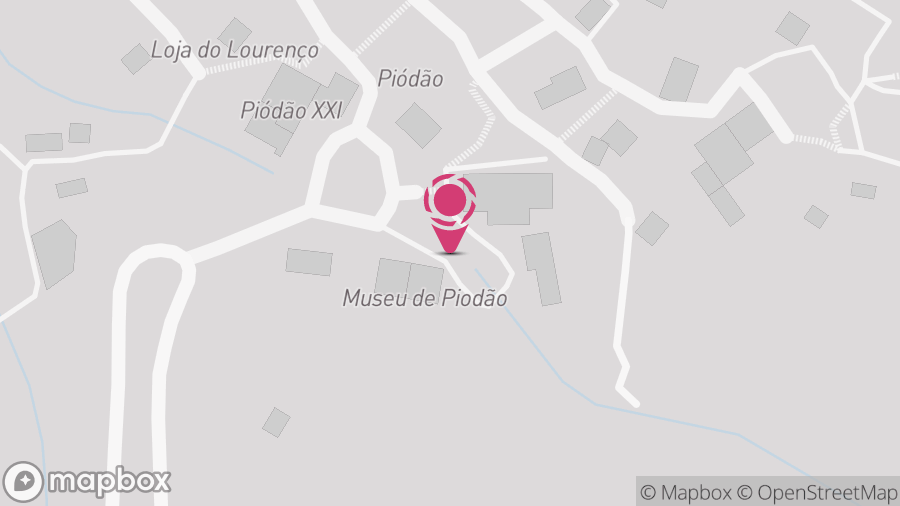
- the museum in the village and the river beach at the bottom of the slope are worth the stop
- Foz d'Égua 4 km away is part of the same trip, with a suspension bridge and streams