the beach you had in mind doesn't exist between June and September
Two hours of parking a day. Twenty minutes unrolling your towel between strangers. Thirty-five degrees in shade that isn't there. Somewhere between the third and fourth day of this routine, any sensible person asks if there isn't something else. There is.
The inland Algarve isn't queueing. The Caldeirão hills are ten degrees cooler than Albufeira, the Loulé waterfalls have the social function of replacing the beach when locals want to escape the tourists, and Monchique, up there, is almost a different climate. This is the route for the day you decided to cut the knot and give up on the sea.
The rule is simple: start early. Before nine you're already at the Mercado de Loulé, because between ten and noon the heat settles in and the rest of the day is done climbing in altitude. You finish on top of Fóia, where the air has a different weight.
Mercado de Loulé
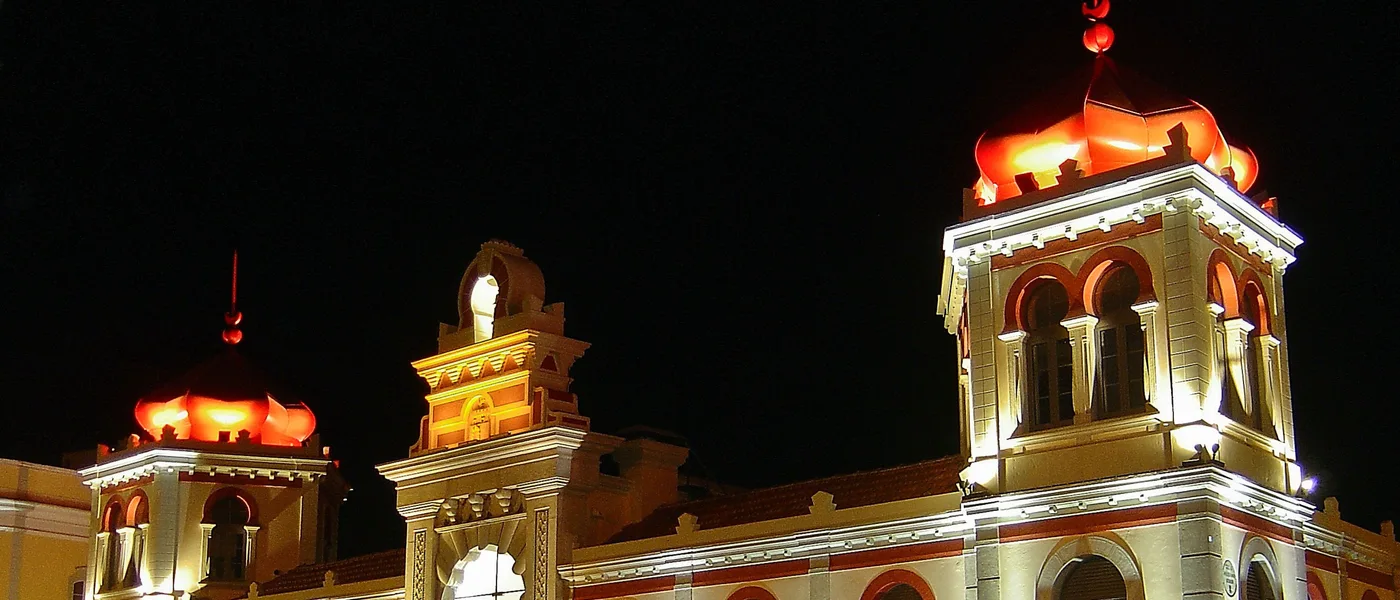
Quatro cúpulas avermelhadas. É assim que reconheces o edifício antes de entrar, a partir de qualquer rua do centro histórico de Loulé. Construído em 1908 num estilo revivalista de inspiração islâmica, o Mercado Municipal de Loulé foi o projecto mais ambicioso do Algarve naquela primeira década do século XX, e ainda hoje parece querer provar alguma coisa.
Queda do Vigário
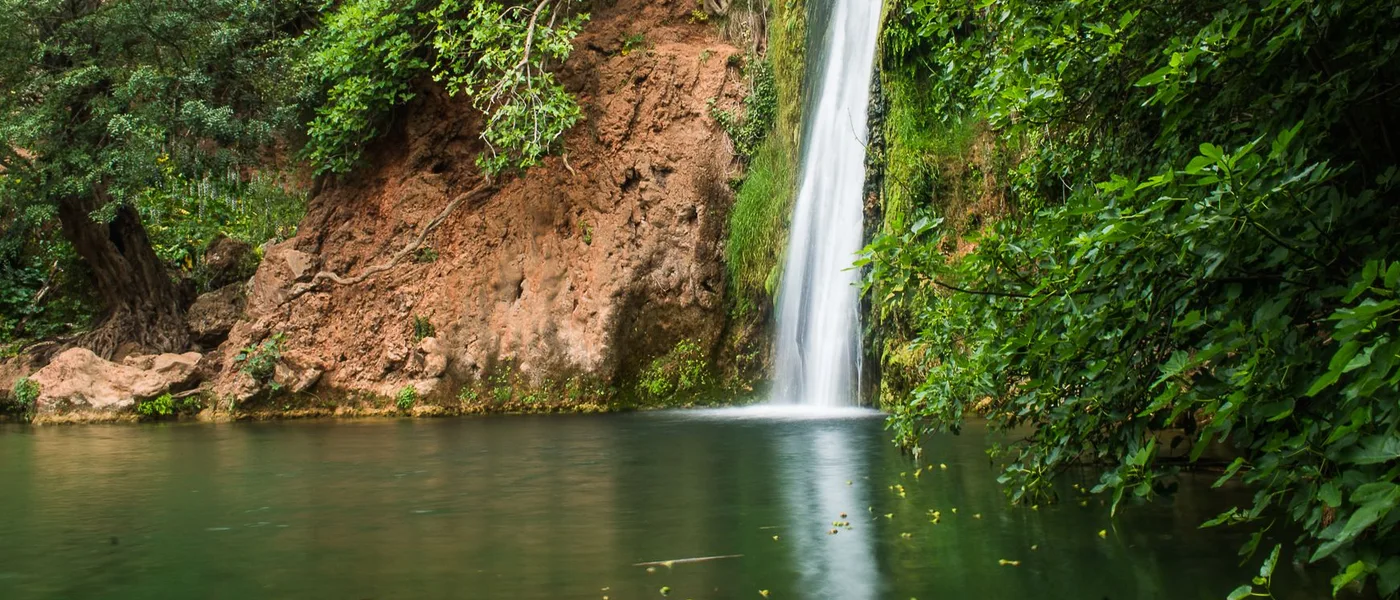
Vinte e quatro metros de queda vertical, num jacto que embate no fundo num lago em forma de alguidar. A ribeira de Alte percorre a Serra do Caldeirão, alimenta-se nas fontes da aldeia e despenca numa parede de tufo calcário: rocha formada pelo próprio carbonato de cálcio que a água vai depositando ao longo dos anos, construindo a cascata à sua própria custa.
Castelo de Silves
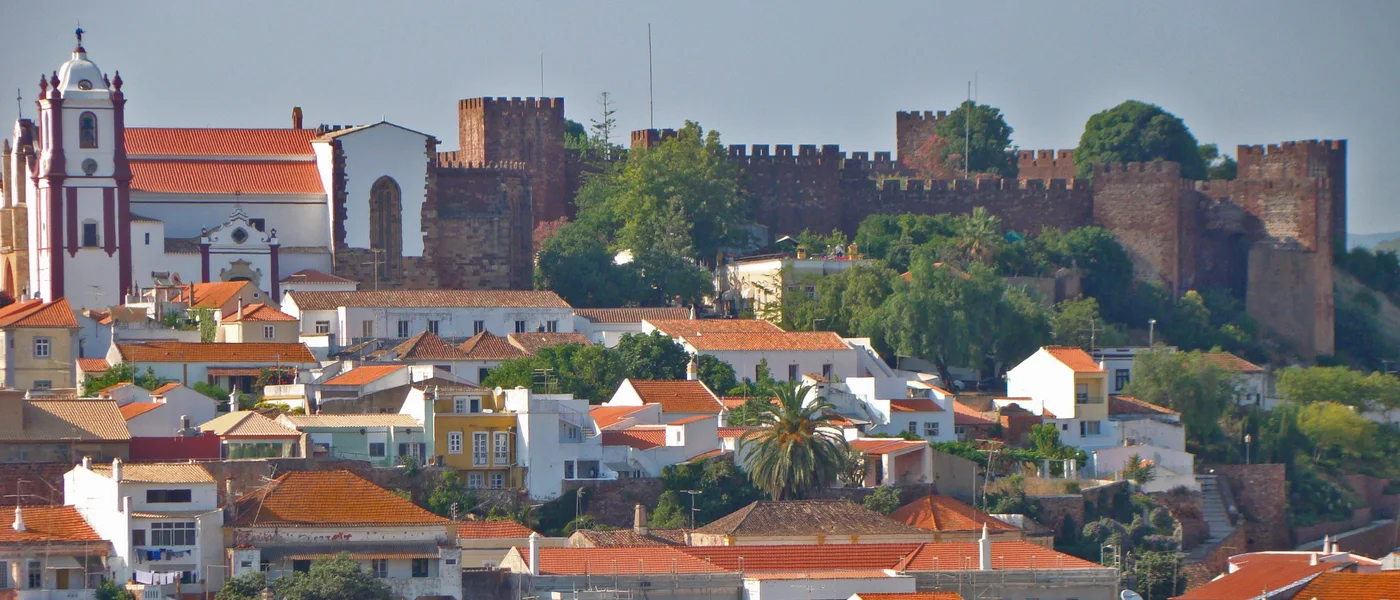
Há uma pedra específica que dás por ela mal entras em Silves: o grés avermelhado, cortado aqui mesmo, que reveste as muralhas do castelo e lhe dá a tonalidade que não esqueces. Não é tinta, não é restauro recente. É o material de origem, chamado grés de Silves, que os construtores islâmicos usaram para forrar a taipa que ergueram no ponto mais alto da colina.
Sé Catedral de Silves
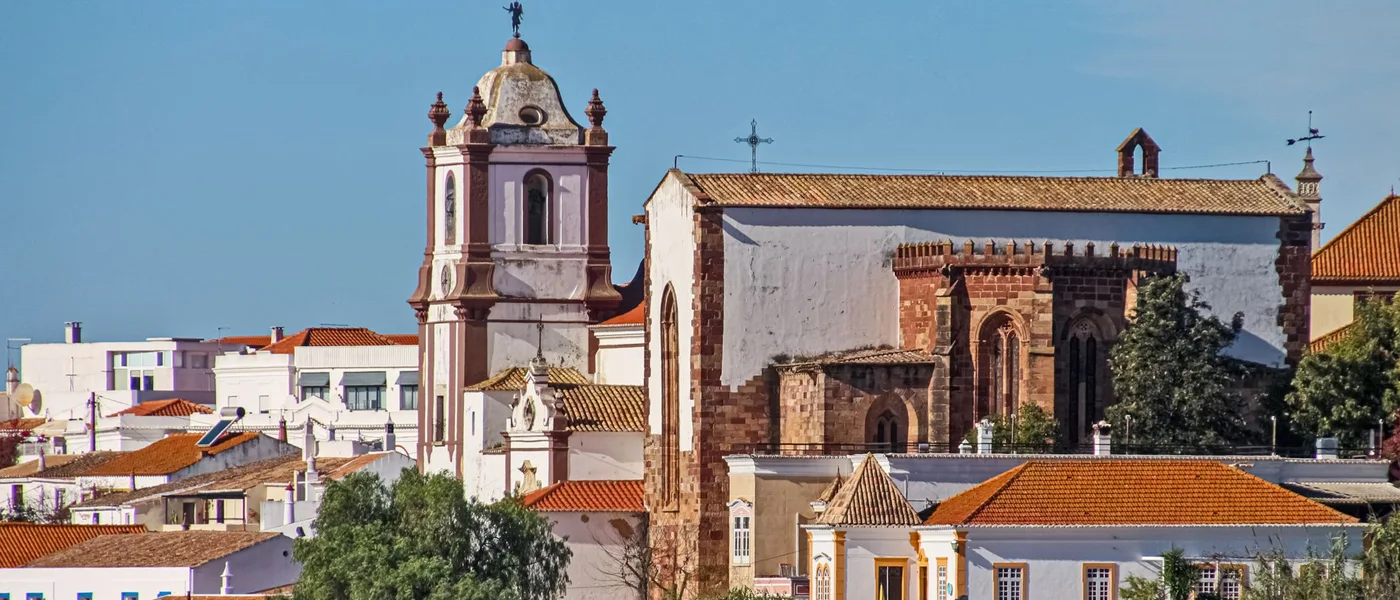
Entra e a primeira coisa que vês é a cor. O arenito vermelho de Silves é o material inteiro do edifício, em cada bloco da fachada, em cada arco. Não é decoração: é a pedra desta terra.
Miradouro da Fóia
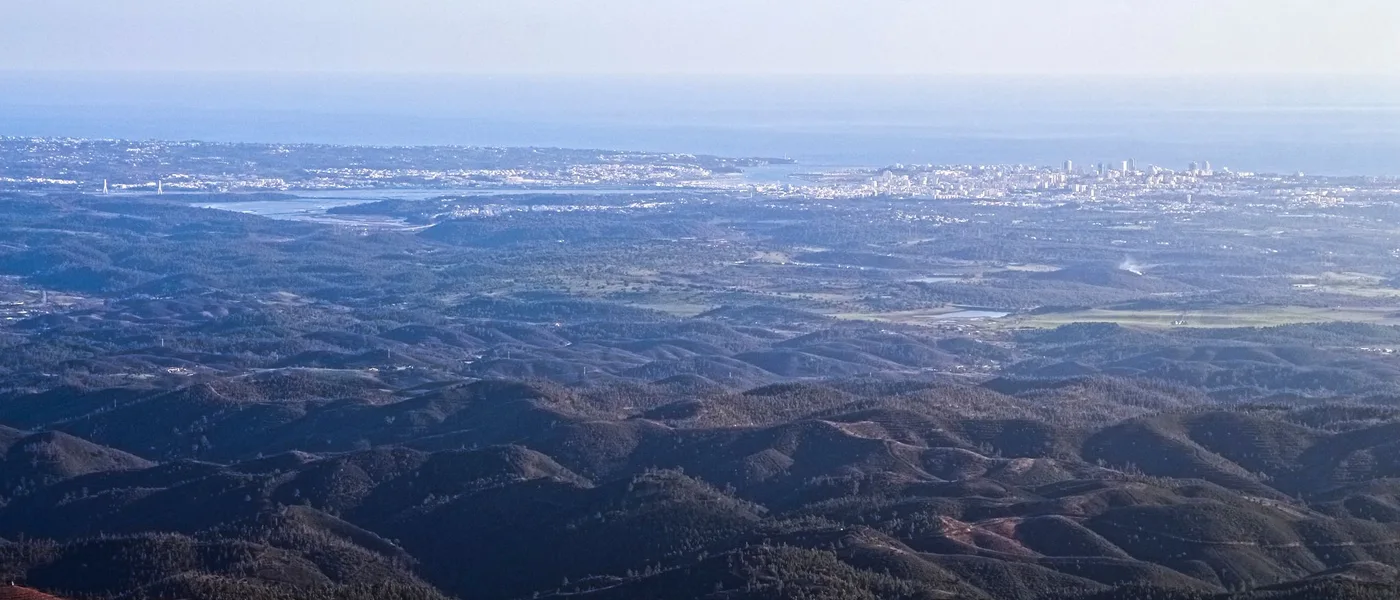
Novecentos e dois metros acima do mar. Cá em cima o vento é outro, a temperatura desce e o horizonte abre de uma forma que nenhuma outra cota do Algarve consegue igualar. A Fóia é o ponto mais alto de toda a região, e isso vê-se, sente-se e ouve-se no silêncio que as antenas de telecomunicações não conseguem anular.
By the end of the day you don't miss the beach anymore. Tomorrow you can go back to losing two hours parking, or you can start working out how many other days like this still fit in the week.