between bars and photography, in the heart of Porto
The former Cadeia da Relação was for centuries one of the most feared buildings in Porto. Today it houses the Centro Português de Fotografia, and the tension between what the place used to be and what now happens inside is the first thing you feel when you walk in.
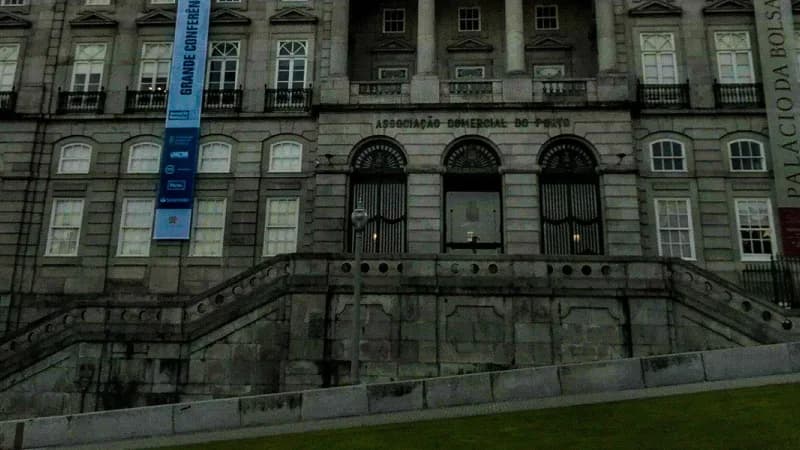
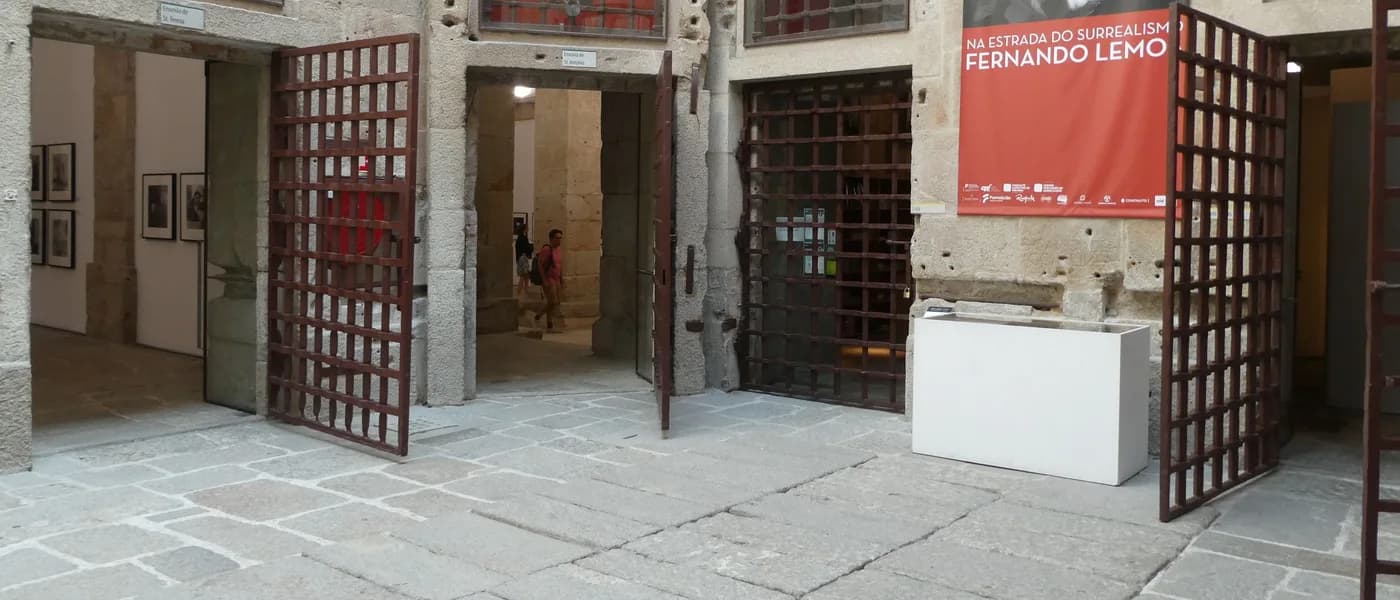
The building is right there, next to the Torre dos Clérigos, on Largo Amor de Perdição (the name is no coincidence: Camilo Castelo Branco was locked up in these cells and drew on that to write the novel). The walls, the bars, the narrow corridors are still there. Photography moved in among all of it without erasing a thing.
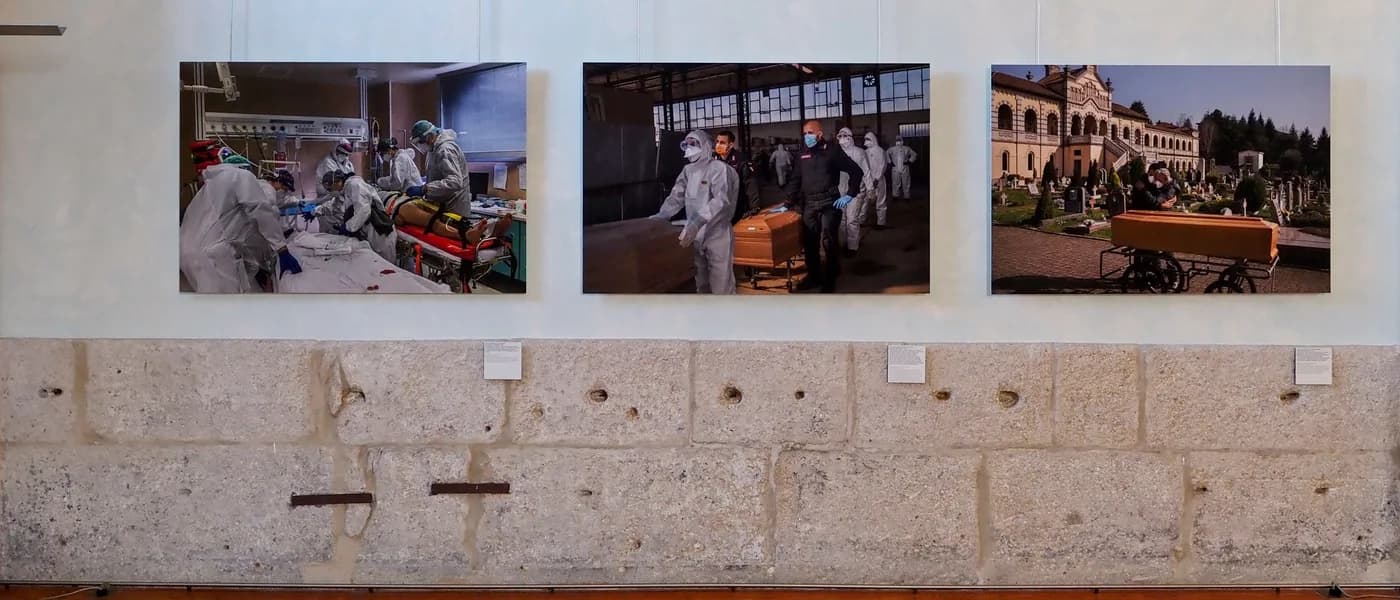
The permanent collection takes in historical photographic equipment and the António Pedro Vicente estate, but it's the temporary programme that justifies coming back regularly. Vivian Maier, Roma portraits, colonial photography from Africa: the shows land with weight and don't stay only on the aesthetic surface. The national photography archive and the specialised library are also open for anyone who wants to go deeper.
Leaving the CPF and stepping back into the Largo is always a strange moment. The city outside is still the same, but the way you look at it isn't quite the same anymore.
the building as exhibition
The Cadeia da Relação was built in the 18th century and worked as a prison and a court until well into the 20th. It's one of those rare cases where the container is as loaded with history as the contents it shows.
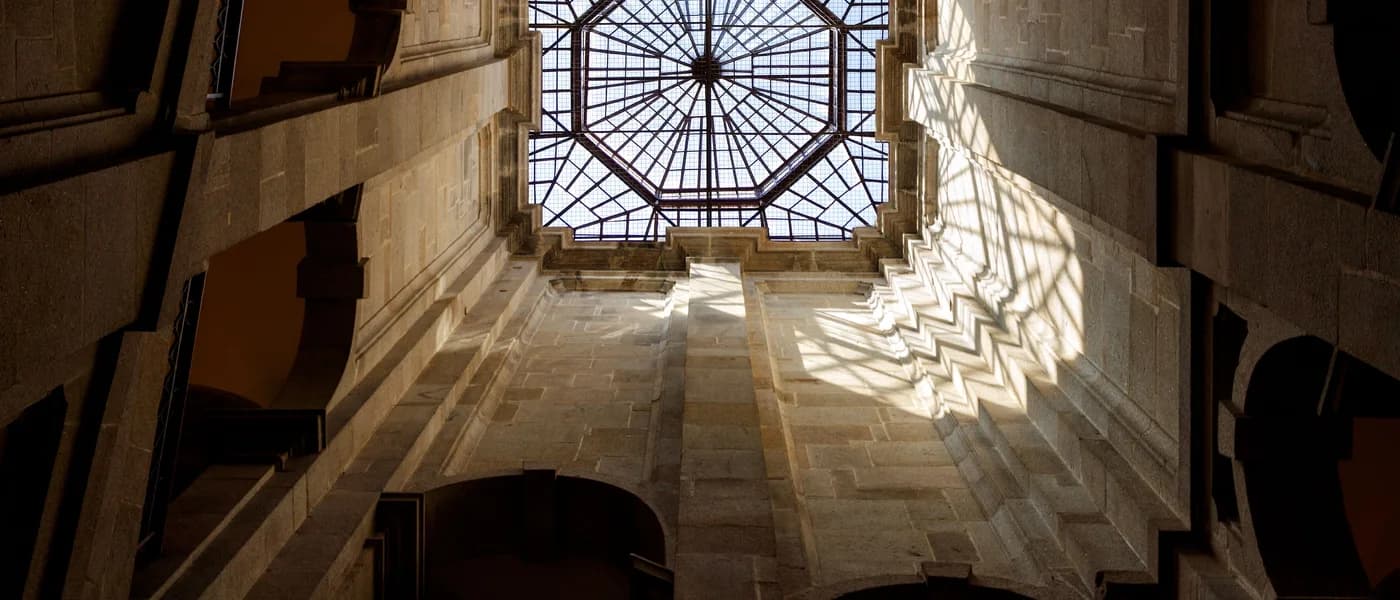
The decision not to disguise the origin of the space is deliberate. The repurposed cells, the heavy granite architecture, the relationship between confinement and the act of looking at images: there's an internal logic you don't need to put into words to feel.
come prepared for
- cells turned into exhibition rooms, with all the weight that carries
- a collection of cameras and photographic gear that runs from daguerreotypes to recent analogue
- temporary shows with serious programming, not decorative
- the archive and the library, open and barely visited by the average visitor