cod, the way you haven't seen it on the plate
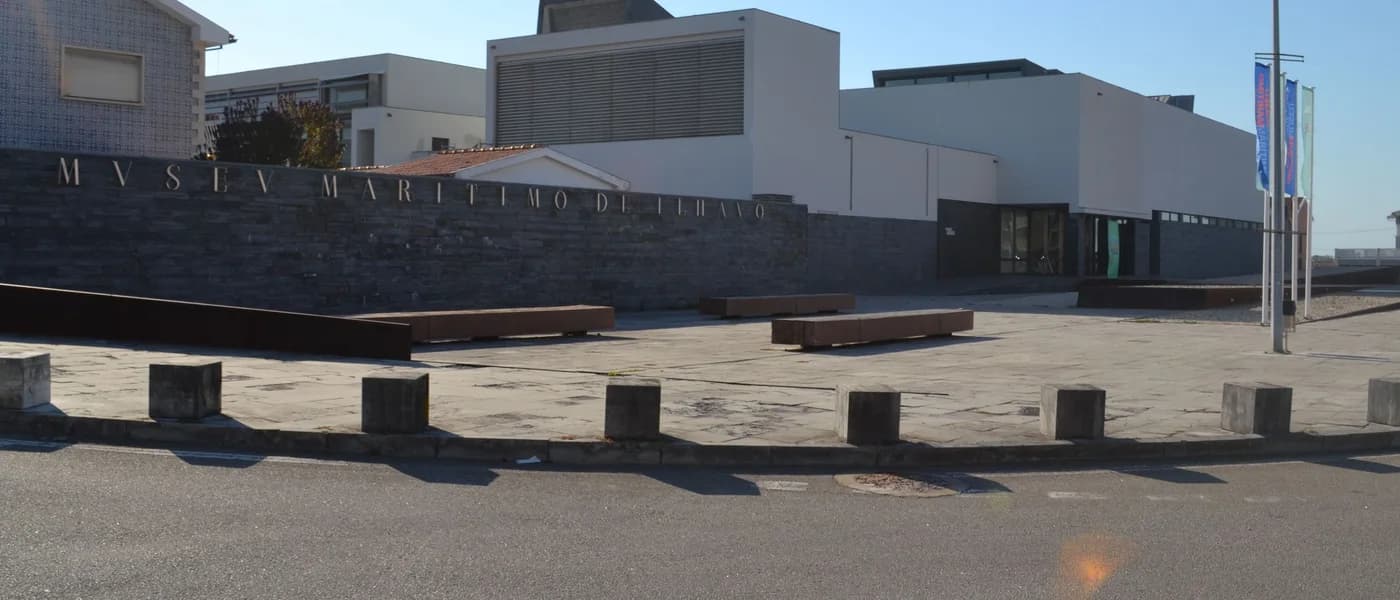
Ílhavo sent men off to Newfoundland and Greenland when that was still an adventure with no safety net. The Museu Marítimo de Ílhavo was born in 1937 out of the will of those same people to keep what they had lived through, and you can tell: it isn't a museum built from the outside in, it's a museum that sprouted from inside a community.
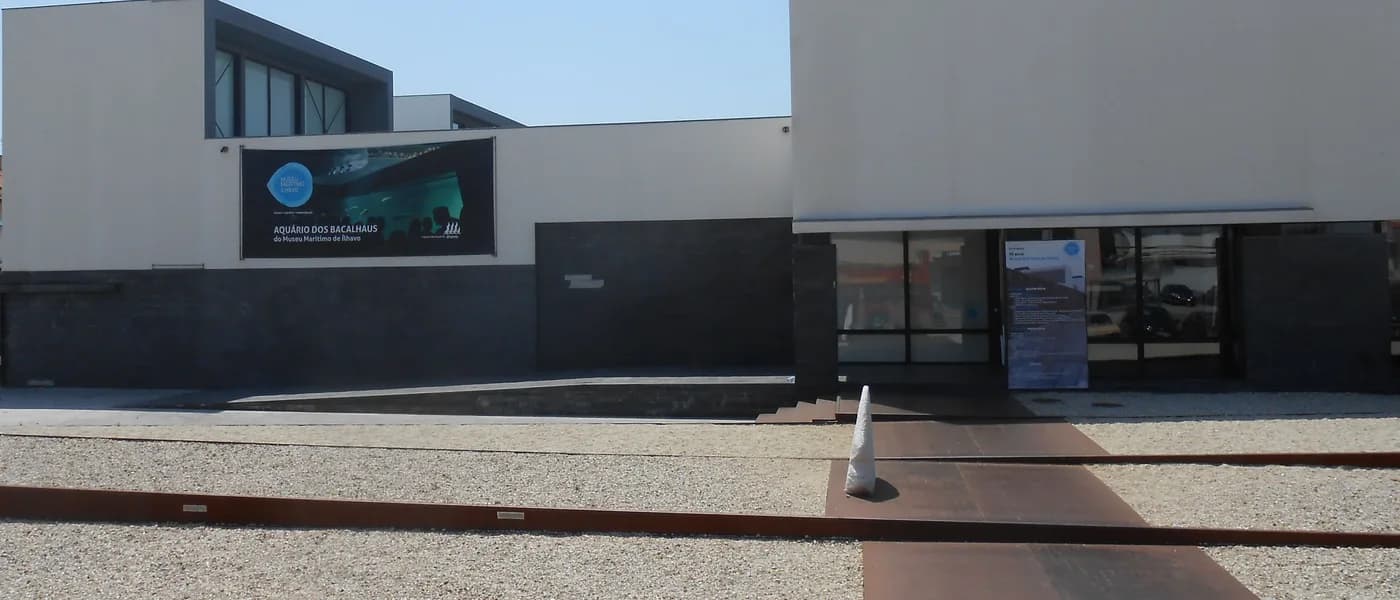
The current building, opened in 2001, is the work of the ARX Portugal practice and is already worth the visit on its own. Inside, the permanent exhibitions split across three axes that define Ílhavo: cod fishing in the Northern seas, the activities of the Ria de Aveiro and the diaspora of the people from here along the Portuguese coast.
The museum has a cod aquarium, which sounds strange until you get that it makes complete sense in this context: the animal that shaped the economy, the identity and the religious life of this area shows up here alive, not salted. And then there's the Santo André, a former cod trawler with its inaugural voyage in 1949, converted into a ship-museum and moored right next to the complex. Climbing aboard is different from reading about it.
The Centro de Religiosidade Marítima is the first museum space on this theme in Portugal, which says a lot about how specific what you find here is. If you want to get what the sea did to a community on the Aveiro coast during the 20th century, this is the place.
cod fishing as a living archive
The "Homens e Navios do Bacalhau" portal is a digital archive that documents the cod fishing campaigns from the start of the 20th century. It isn't just for researchers: you can cross-reference names, ships and dates in a way no physical exhibition manages to offer with the same granularity.
The CIEMar-Ílhavo, set up in 2012, works as a research unit, an archive and an incubator for sea-related companies. It isn't institutional decoration: it's where the museum decides not to stay frozen in time.
what you'll find
- a 1949 cod fishing ship you can climb on board
- the only cod aquarium you've heard of
- pieces that were on board real ships, not replicas
- the first museum centre of maritime religious life in Portugal
- a digital archive on fishing campaigns you can access even outside the museum