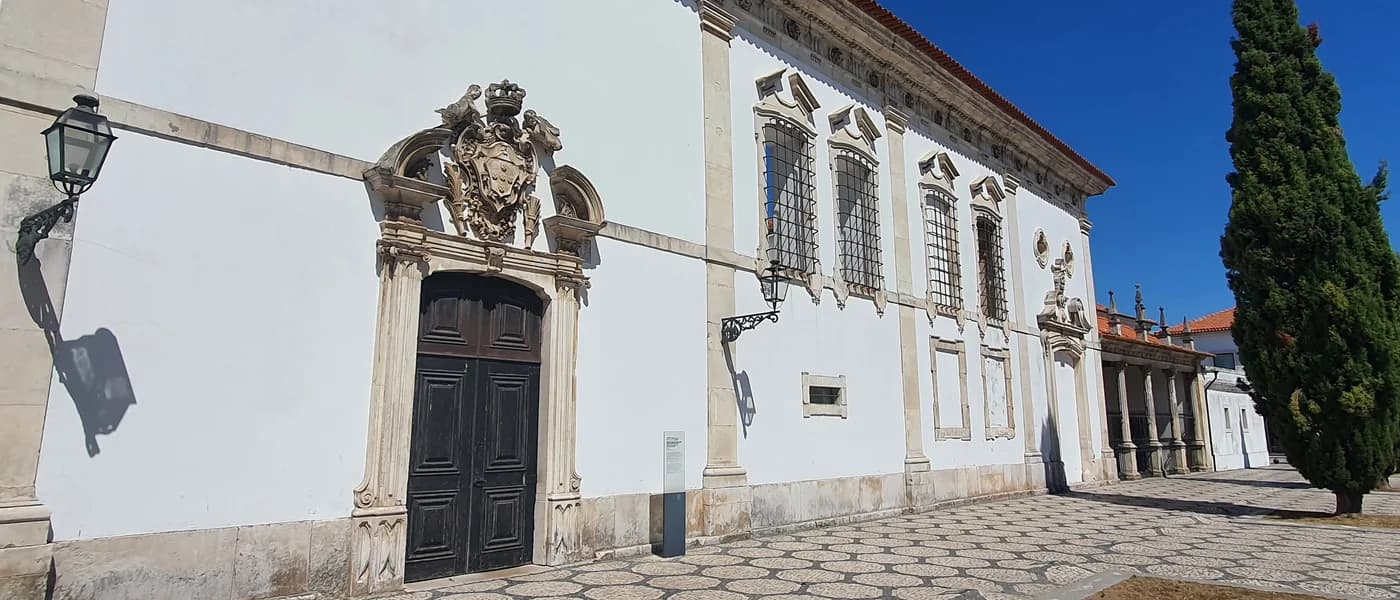
a convent in layers, each one denser than the last
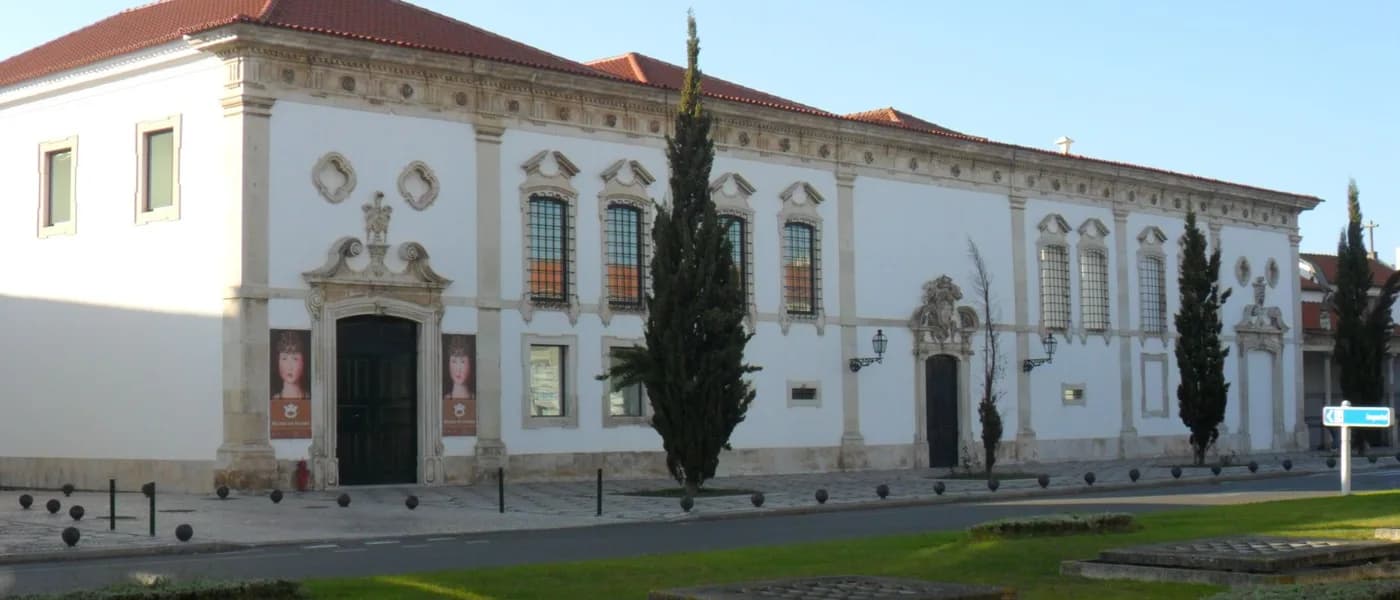
Stones worn down by centuries of footsteps, tiles covering entire walls, and at the back of it all a queen who never quite became one. It's in a 15th-century convent that the Museu de Aveiro has its home, and the building already lands with a lot of people before any exhibited piece does.
Princess Joana, daughter of Afonso V, refused to marry and entered this convent of Jesus in 1472. She stayed here until she died, in 1490, and her tomb in Carrara marble is the heaviest piece in the museum, in both the literal and the other sense. The beatification came in 1693 and from then on the convent took on another dimension, gathering religious art that today fills several rooms.
The collection mixes 16th-century painting, sculpture, goldwork and textiles, but what really holds your attention is the Capela de Santa Joana, with the tomb surrounded by polychrome marbles from the late baroque. The chapter room is another strong moment: 17th-century tiles covering every wall from floor to ceiling, scenes from the life of Saint Dominic on each panel.
You're ten minutes on foot from the central canal of Aveiro, but you walk into this space and the lagoon disappears. The convent shuts you inside a scale and a silence the rest of the city doesn't have.
five centuries inside a single building
The convent of Jesus was founded in 1461 and housed the Dominican nuns for more than three centuries. With the extinction of the religious orders in 1834, the space passed to the State and the adaptation into a museum began as early as the 19th century, making it one of the first regional museums in Portugal.
That long continuity has a direct consequence for the visit: the collection wasn't put together by purchase or external donation. A good part of it came from the convent itself and from religious communities in the region, which gives it a coherence of origin that's rare. You're not looking at objects picked by a 20th-century curator, you're looking at what was left of a world that existed right here.
what you'll find
- the tomb of Santa Joana in Carrara marble, surrounded by polychrome baroque inlays
- the chapter room lined with 17th-century tiles from floor to ceiling
- 16th-century Portuguese painting with works attributed to the Nuno Gonçalves school
- a Gothic cloister with an inner garden shut off from the city's noise
- a building that is, in itself, the main piece of the collection