the house of portugal's only nobel in medicine, in avanca
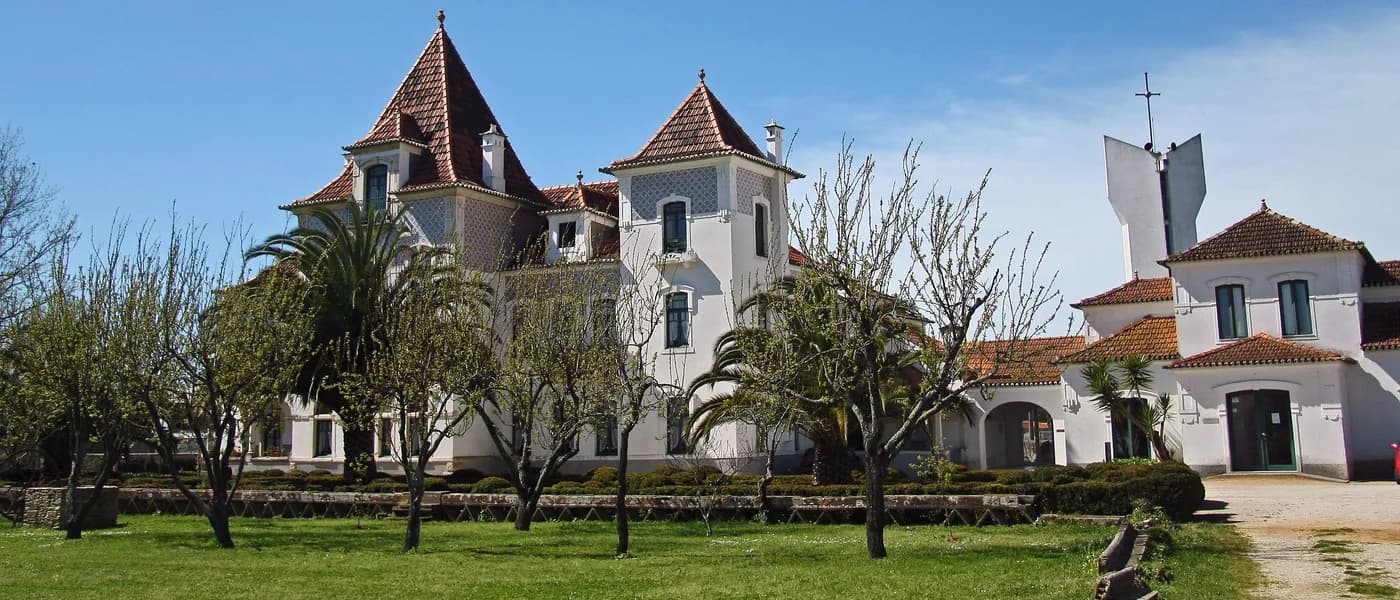
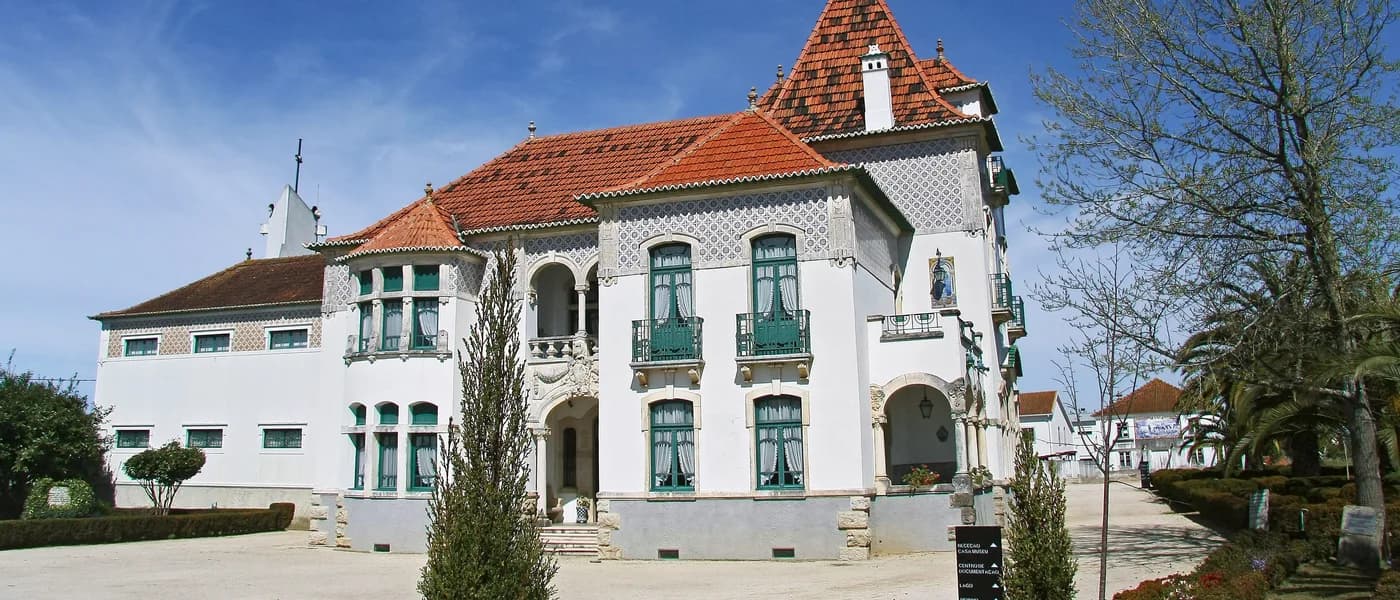
In 1949, Egas Moniz won the Nobel Prize in Physiology or Medicine. He was Portuguese, born in this house in Avanca, and most of the world doesn't even know this place exists. You come to Estarreja and you've got here one of the heaviest scientific stories of the 20th century slotted into an 18th-century estate rebuilt in 1915.
The house was the work of architect Ernesto Korrodi, the same one who left his mark on Leiria. Egas Moniz had no descendants and decided to turn the place into a regional museum while still alive, opening the doors in 1968. What that means in practice: you're looking at a collection put together by the collector himself, with personal criteria and no curator mediating.
The collection splits down the middle. On one side, art: porcelain from the East India Company, Canton, Sèvres, paintings by Malhoa, Silva Porto, Abel Salazar and a dozen other names from the 19th and early 20th century. On the other, science: the objects and documentation tied to cerebral angiography and prefrontal leucotomy, the two pieces of work that put Moniz on the map of world neurology. They're discoveries that still spark ethical debate today, and you've got part of that story right here, in Avanca, a few kilometres from the Aveiro lagoon.
between art and the brain
Cerebral angiography was developed by Egas Moniz in the 1920s: the first radiological imaging of the cerebral arteries of a living human. Prefrontal leucotomy, later called lobotomy, was the work that earned him the Nobel and that time has turned into a symbol of medical ambiguity. The Casa-Museu has a graphic display on both investigations, with the stages of the process documented. It's not spectacular museography, but the density of what's there is real.
The context helps you understand the man: Moniz was also a politician, a university professor and a writer with more than three hundred published works. The house in Avanca is the place where all of that converges, without the filters of a national museum.
what you'll find
- European and Asian porcelain collected across a whole lifetime
- paintings by names from the Portuguese 19th century you rarely get to see outside Porto or Lisbon
- scientific documentation on the investigations that changed neurology
- an estate with outdoor space, a mill and the memory of agricultural use
- the silence of a place most people haven't got around to finding