underground, on top of the end of the world
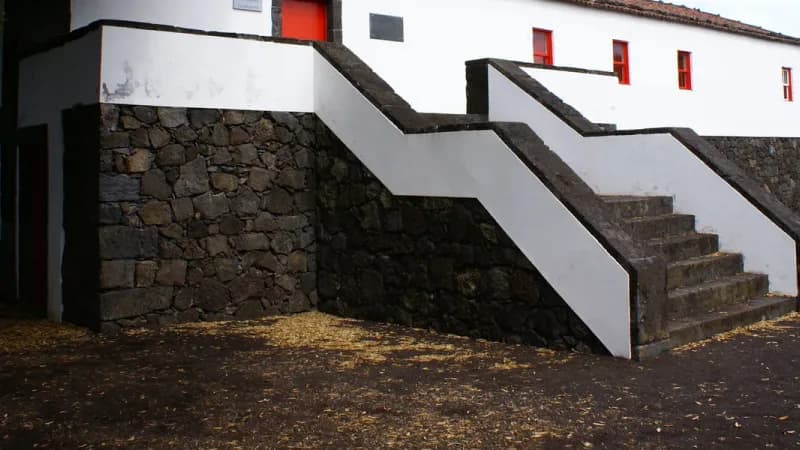
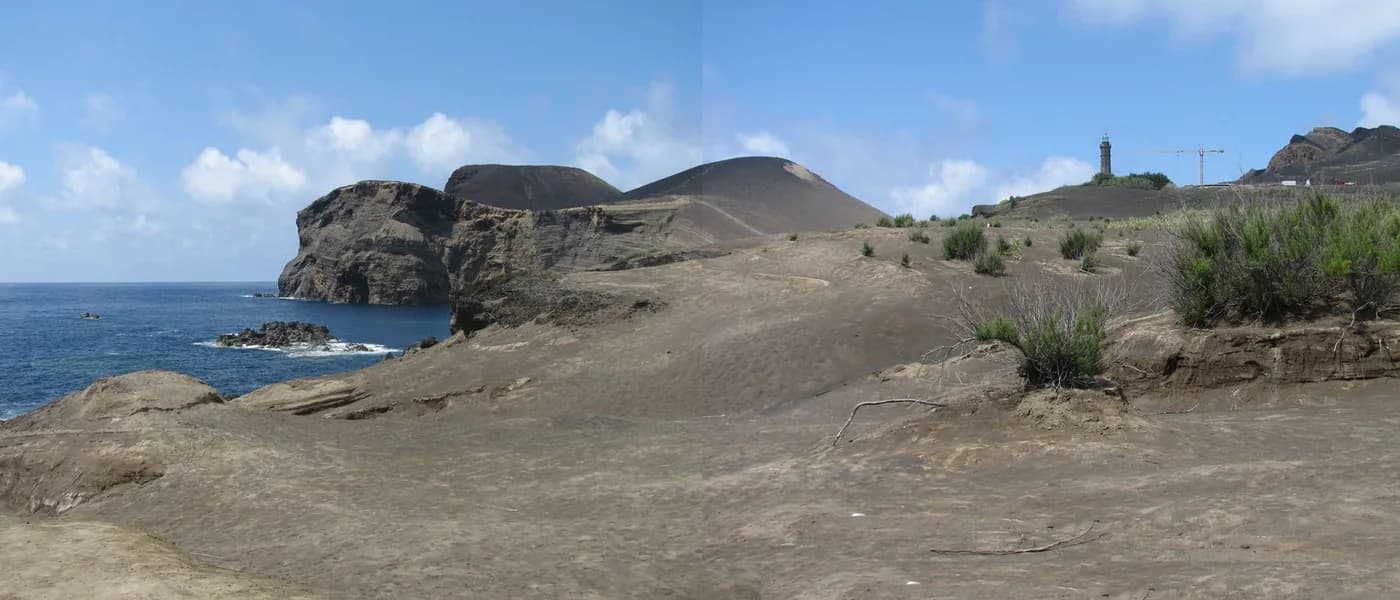
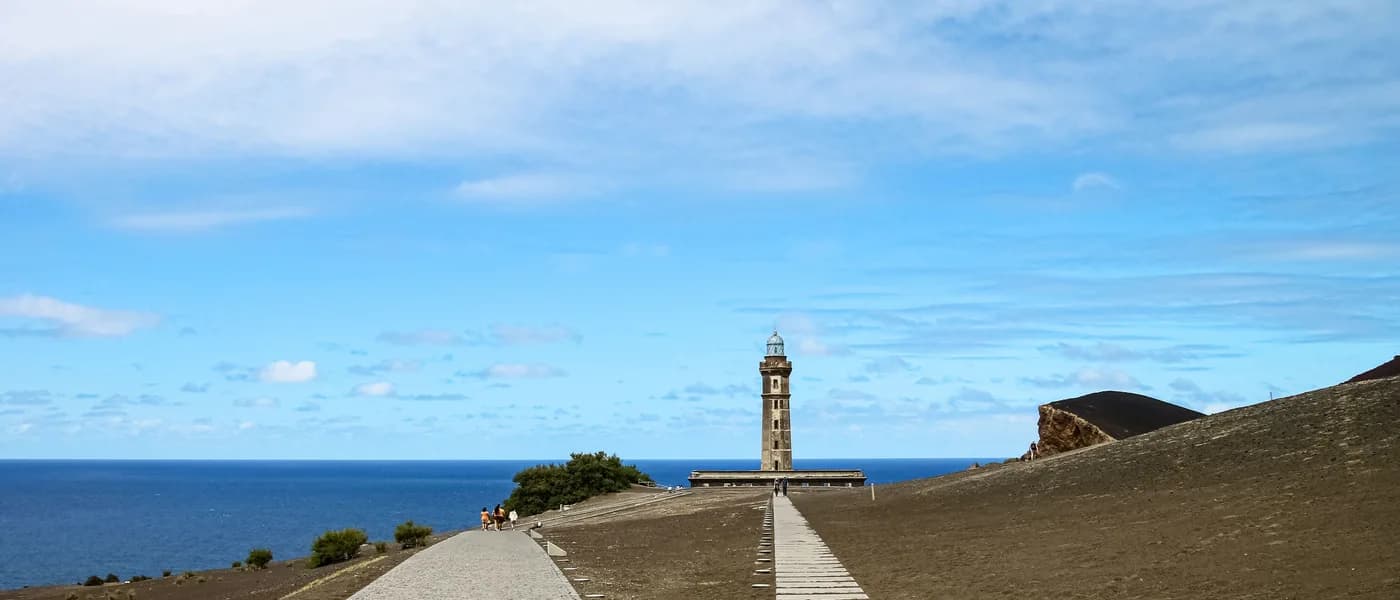
The ground sank on purpose. The centre's building is buried so as not to block the view: the logic here is to let the landscape speak first. And it speaks loudly. The 1957/58 eruption created new land, literally, and what you see around is one of the youngest surfaces on the planet.
The Centro de Interpretação do Vulcão dos Capelinhos organises what looks like geological chaos: it explains the eruption, the formation of the archipelago and the science behind the most active volcanoes in the world. There are exhibitions of rocks and minerals, an auditorium, and a thread that goes from the specific (what happened here, on this tip of Faial, in 1957) to the global (how the planet creates new land). No tourist puffery.
From here you can climb the Capelinhos lighthouse, the one still standing after being half-buried during the eruption. From there you grasp the scale: kilometres of grey and black landscape, created less than seventy years ago, running into the Atlantic. There isn't much else in Portugal that puts you like this, on top of something so recent and so violent.
when faial grew westward
The Capelinhos eruption began at sea, in September 1957, and over months it added new land to the western coast of Faial. It was a Surtseyan eruption, the same type that created the island of Surtsey in Iceland. The existing lighthouse was partly buried, the area's populations were evacuated, and many inhabitants of Faial ended up emigrating to the United States under special legislation passed by the American Congress directly because of this disaster.
The centre tells this story without softening it: the eruption destroyed houses, turned lives upside down and permanently reshaped the island's geomorphology. It's recent history, of people who were still alive when the museum opened.
what you'll find
- the buried building, invisible from the landscape until you reach it
- exhibitions on volcanology, the formation of the Azores and Azorean lighthouses
- the half-buried lighthouse, still standing and open to visit
- land less than seventy years old beneath your feet