a century of island life inside four walls
There's a scale model of Faial's harbour channel in there that sums it up: you can't understand the island without the sea around it, and you can't understand the museum without the island. You walk in and quickly realise that the Museu da Horta wasn't designed for visitors in a hurry. It was designed to preserve things that would otherwise be lost.
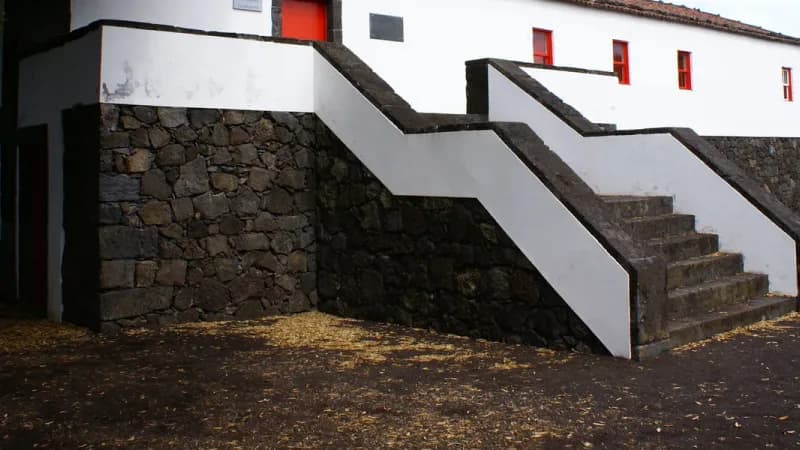
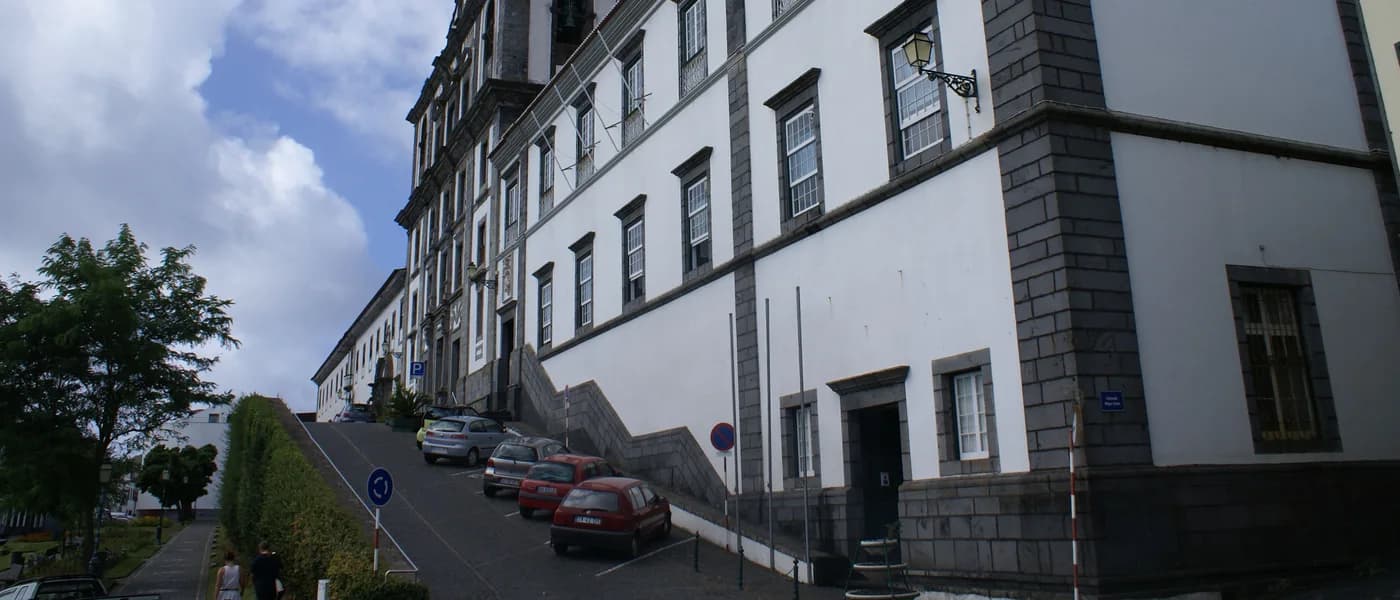
The building is a converted 17th-century convent, and you feel that in the structure, the rooms, the way light comes in. The collections cover archaeology, ethnography, sacred art and natural history of the Açores, but what stays with you is the feeling of reading the island in layers: prehistoric time, the time of the friars, the time of the whalers, the time of now.
There's a room dedicated to scrimshaws, the engravings carved into whale bone and teeth by the whalers. They're small pieces made with a patience you can barely imagine today. Faial was one of the great whaling ports of the Atlantic, and that presence here carries a weight that no tourist panel can transmit.
You leave with a different head for the Horta outside, for Porto Pim, for the volcanoes in the distance.
the city as context
The museum sits in Horta's historic centre, and that's not incidental. Ten minutes on foot and you're at the harbour where sailing boats from all over the world stop and leave their paintings on the sea wall. The whole city is a kind of parallel museum, and the one inside helps you read the one outside.
what you'll find
- scrimshaws from Atlantic whalers
- sacred art and pieces from the original convent
- natural history collections from the Açores
- scale models and documentation of maritime activity
- a pace of visiting that doesn't rush you