where the vine grew in lava and made history
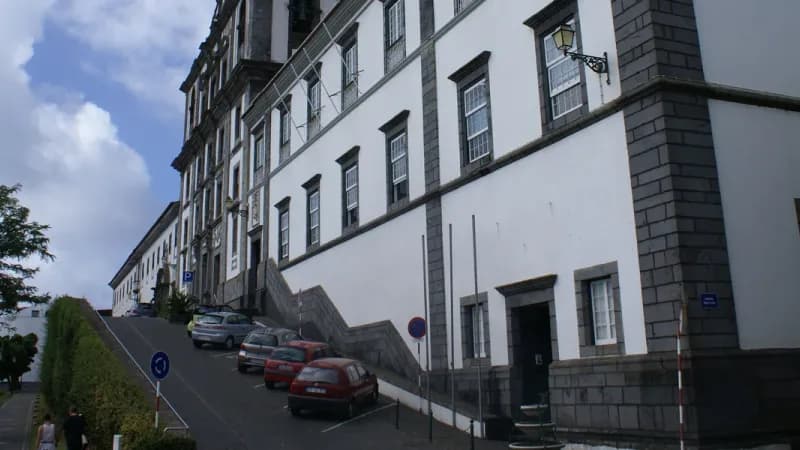
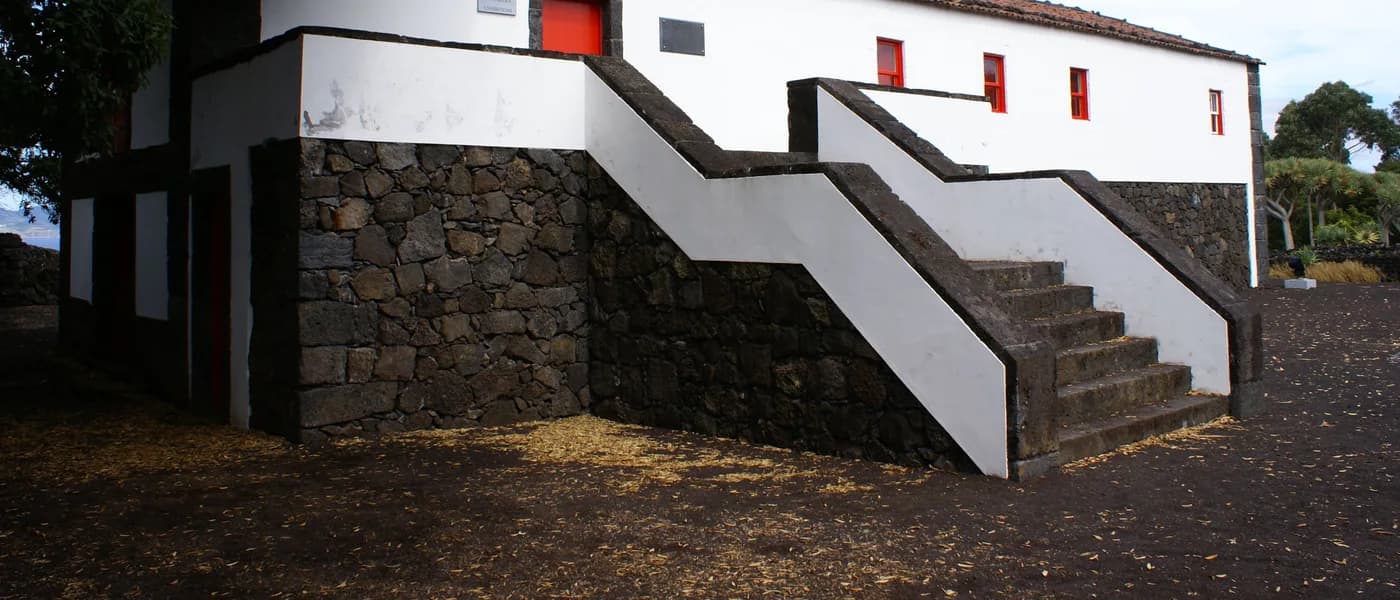
There are basalt stone corrals that look like a city seen from the air. They're the lajidos, the vineyard landscape that covers the north coast of Pico and that UNESCO classified as World Heritage in 2004. The Museu do Vinho do Pico is set up in the heart of that territory, in a group of 18th-century buildings that belonged to the Jesuits and then to the Fábrica da Baleia de São Roque. The conversion says a lot about the island: here you reuse what already exists.
The museum tells the story of a vine that was extraordinarily famous. In the 18th century, Pico's verdelho reached the tables of the Russian court and the English ports. Then came the blights, the abandonment, and a collective recovery effort that is still under way. That complete arc, from the peak to ruin and return, is what the museum manages to narrate with real substance.
The route passes through cellars, wine presses and warehouses that keep their original scale. It isn't a decorative reconstruction: the spaces are the spaces, with the stone and the smell that implies. Outside, the corral landscape is right there, and you understand it better after seeing what happened inside.
the vine the lava made possible
Pico's basalt doesn't look like soil for anything. That's precisely what makes the lajidos singular: the farmers broke the rock, built low walls to protect the vines from wind and salt, and planted inside those improbable squares. The result is a vine that grows almost at sea level, in a microclimate created by hand over the centuries.
The verdelho that comes out of it has an acidity and a minerality that oenologists still try to explain with precision. The relationship between the volcanic soil, the proximity of the Atlantic and the old vines is the central argument of the entire classified territory. The museum helps you understand that the landscape isn't a geographical accident but the result of a specific and very old agricultural technology.
what you'll find
- 18th-century cellars and wine presses in original use
- an exhibition on verdelho and the history of Azorean wine
- direct context for understanding the lajidos landscape outside
- a building that was a whale factory before it was a museum