left with the arms inverted and the palace burned
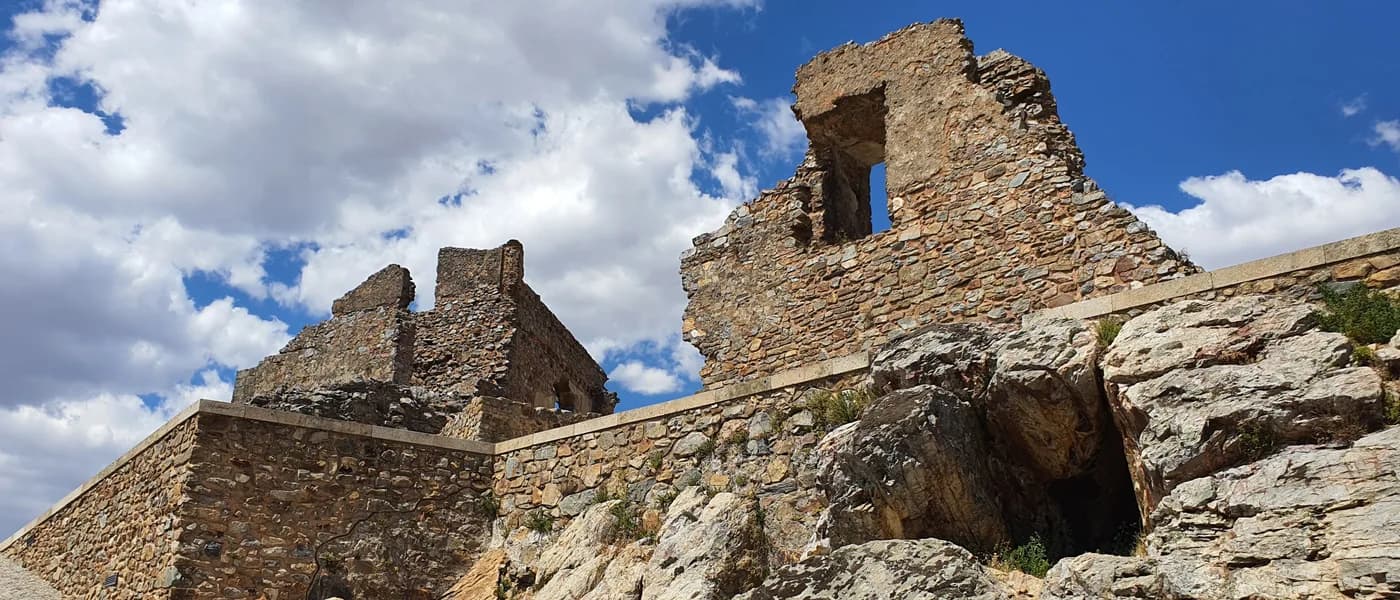
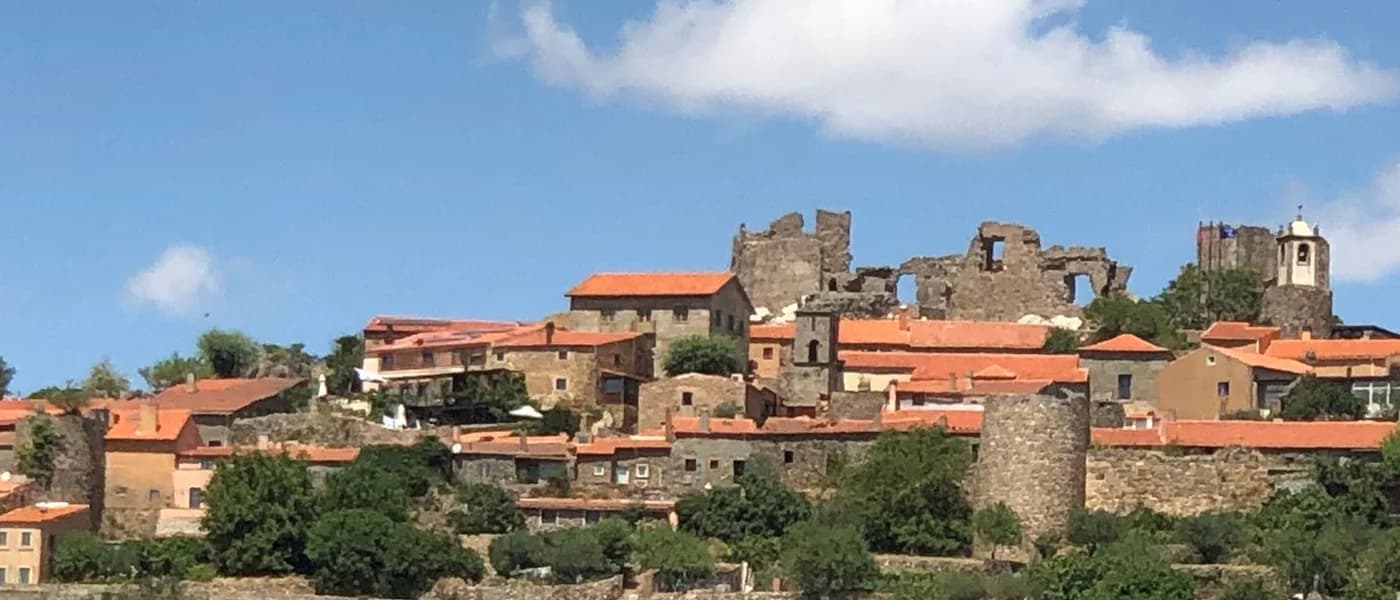
At the highest point of the village, where you'd expect to find a standing castle, there are ruins of tall walls and a central courtyard. That's what's left of the Palácio de Cristóvão de Moura, ordered built at the end of the sixteenth century over the old alcáçova, and burned by the population in 1640. It was never rebuilt.
Castelo Rodrigo chose the Castilian side twice at critical moments. In 1383-85, during the Portuguese succession crisis, it aligned with Castile against the future D. João I. As punishment, the king ordered the royal arms on the town's coat of arms to be inverted and made it dependent on Pinhel. Two centuries later, under Philippic rule, Cristóvão de Moura, a native of here, was the central figure in the diplomacy that handed the Portuguese crown to Philip II of Spain in 1580. In return, he received the title of Marquis of Castelo Rodrigo at the end of the sixteenth century and ordered the palace built. With the Restoration of Independence in 1640, the population revolted and burned it down. The ruins remained, deliberately kept in ruins, as a political memory.
The walled perimeter originally had thirteen towers, like Ávila, semi-circular instead of the square towers typical of Portuguese castles; some are still standing. Inside, there's the cage-style Manueline pillory, regulated by the new charter of 1508, and the medieval cistern thirteen metres deep, with a horseshoe-arch door. Castelo Rodrigo has been one of the twelve Aldeias Históricas de Portugal since 1991 and is twenty kilometres from the star fortress of Almeida, on the same border.
good to know
- the ruins of Cristóvão de Moura's palace at the top of the village are intentional, not neglect; it was left like that after the 1640 fire
- the semi-circular towers on the wall are a Castilian signature, not a Portuguese design mistake
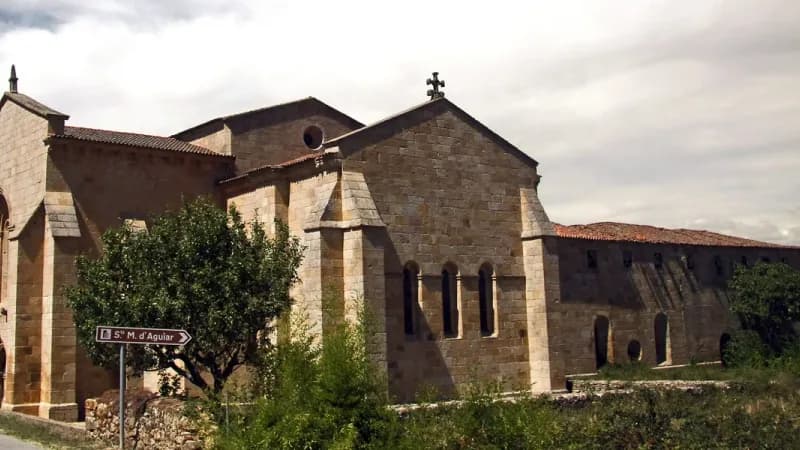
- the Mosteiro e Igreja de Santa Maria de Aguiar, a twelfth-century Cistercian monastery in the same municipality, is close enough to add to the visit
- two nearby Aldeias Históricas to chain into the same day: Castelo Mendo and Marialva