sixteen hundred pieces in an 18th-century house
Saramago wrote that if you stayed to study this in detail, you would have to end your journey here. The collection of Portuguese faience at the Museu de Artes Decorativas is, in his own words, the most complete and rich in the country. Around 1,600 pieces. That isn't a figure of speech.
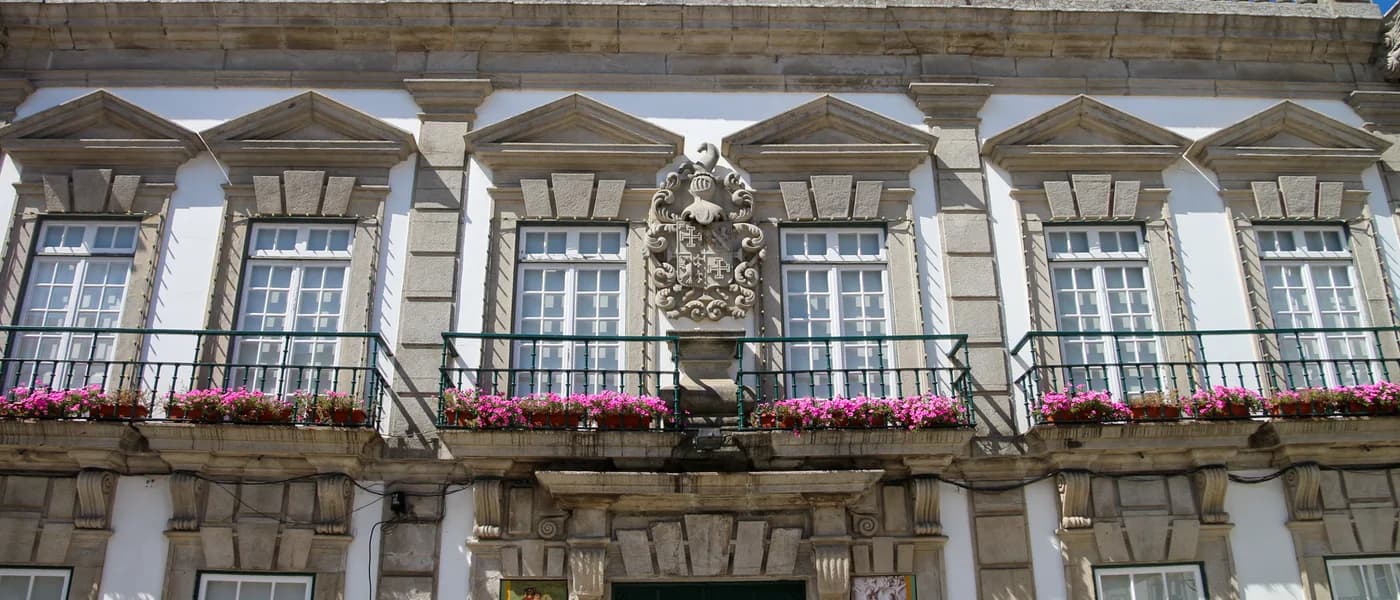
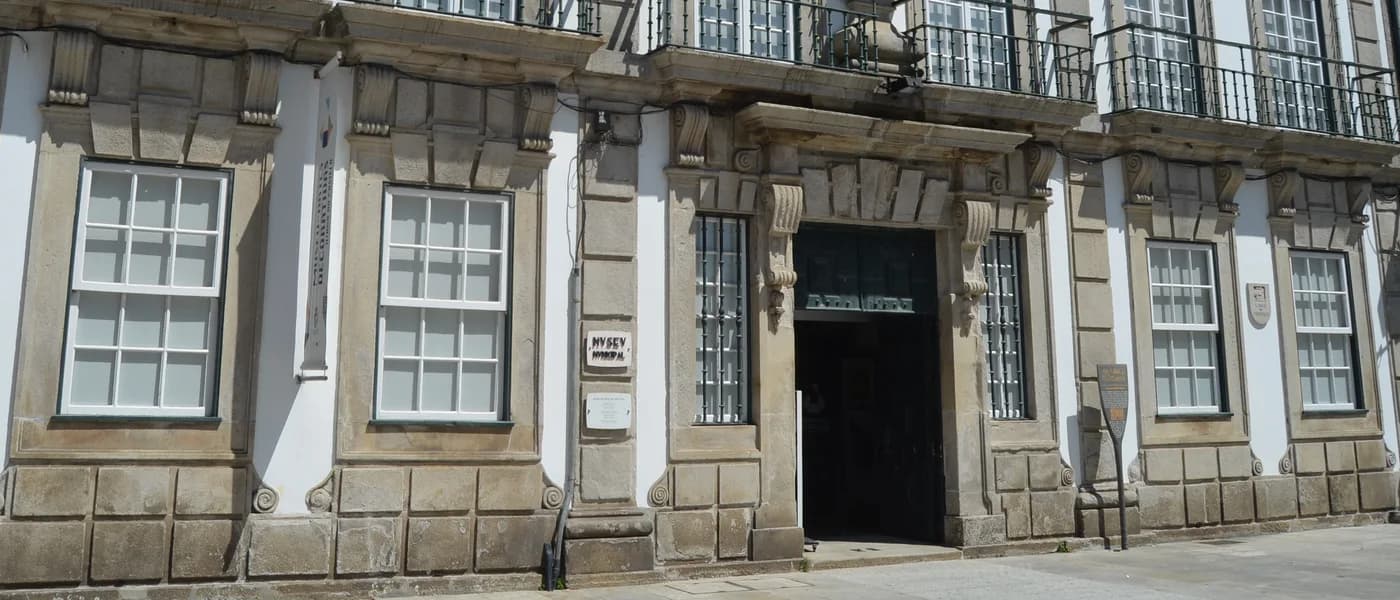
The building is the Casa dos Barbosa Maciel, built in 1724 and located on Largo de São Domingos. The municipality bought it in 1920 and it was two local figures, Dr. Luís Augusto de Oliveira and Professor Serafim Neves, who set up the museum inside. The new wing arrived in 1990, designed by Luís Teles, to make room for what kept growing.
what's inside
The faience is the anchor, including pieces from the Fábrica de Louça de Viana do Castelo, active between 1774 and 1855. But there's more: tiles by Policarpo de Oliveira and Valentim de Almeida, Indo-European furniture from the 17th and 18th centuries, ivory, enamel, alabaster. Paintings and drawings by Portuguese artists from the 18th and 19th centuries round out the picture. It's an archive of taste, not room decoration.
You're in the historic centre of Viana, a few metres from Manueline facades that Saramago himself praised. The museum fits into that context: it isn't a standalone visit, it's the interior piece of a city that still keeps its historical layer visible in the street.
come prepared for
- the faience collection as the centrepiece, not a side note
- tiles by two of the great names of 18th-century Portuguese tilework
- a new wing that contrasts with the original 1724 building
- Largo de São Domingos as immediate context, with the historic buildings around it


