rococo with no restraints, outside lisbon
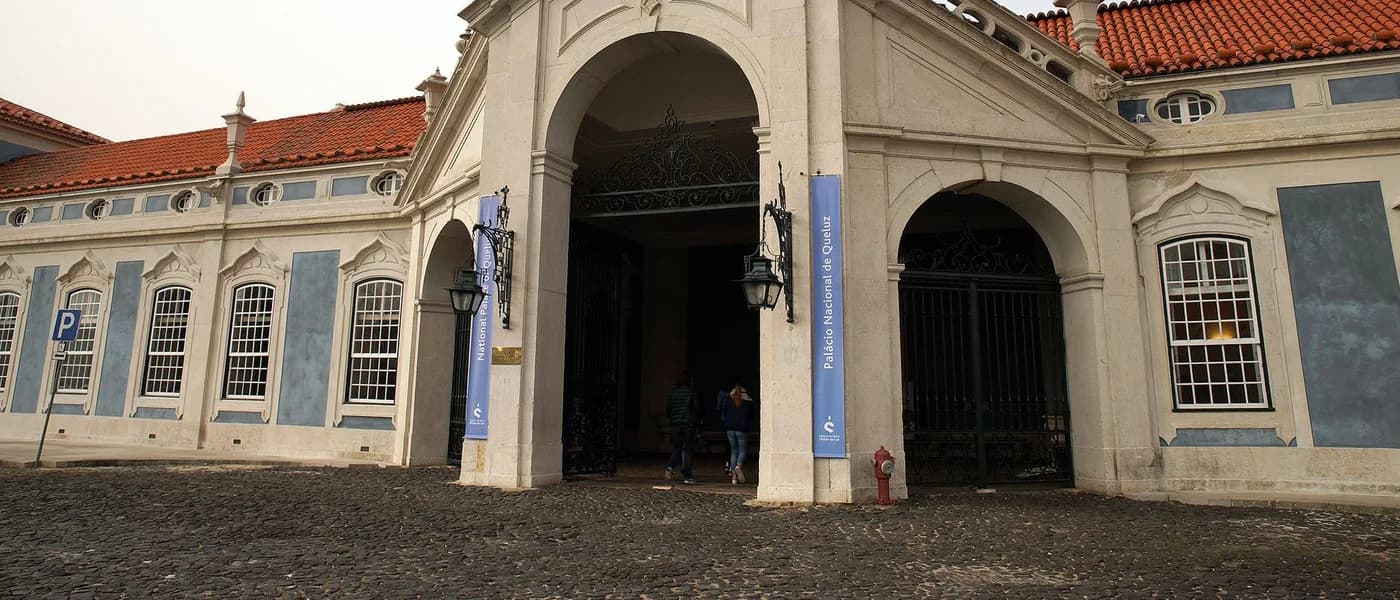
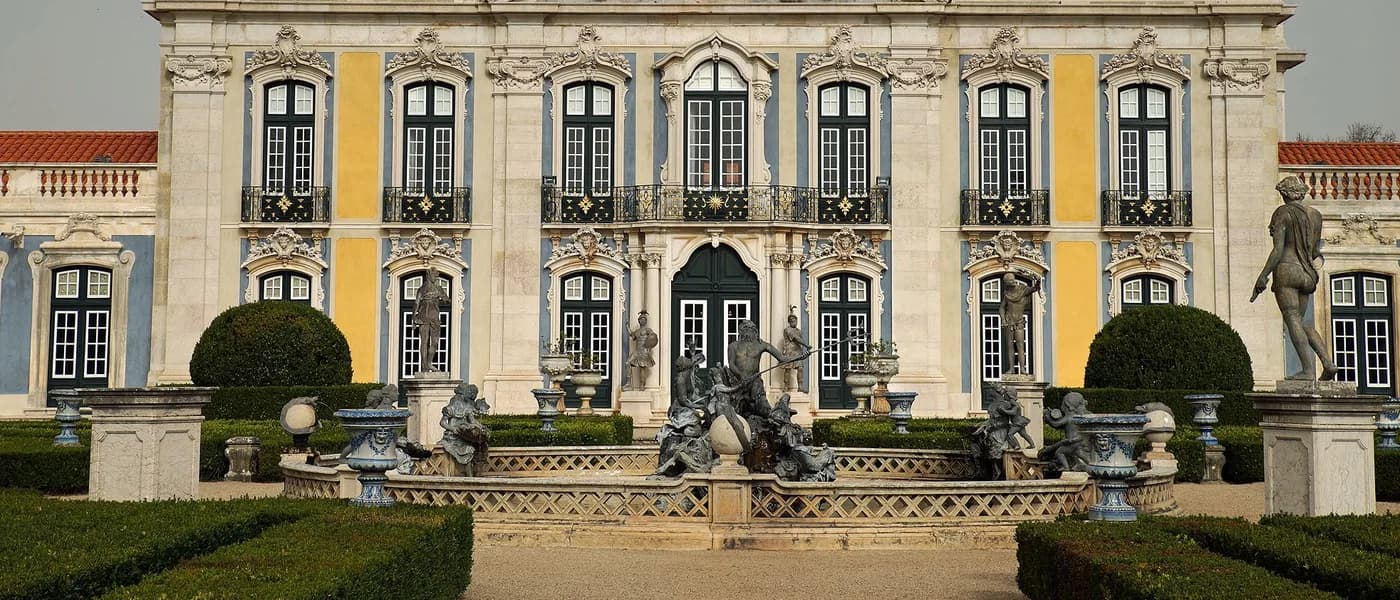
Built to be a summer retreat, not a statement of power. The logic here was a different one: while the Marquês de Pombal governed Portugal from Lisbon, the royal family stayed in Queluz living the life they felt like living. The palace is the architectural mirror of that, a building someone once described as looking like "a very expensive birthday cake", and they weren't being critical.
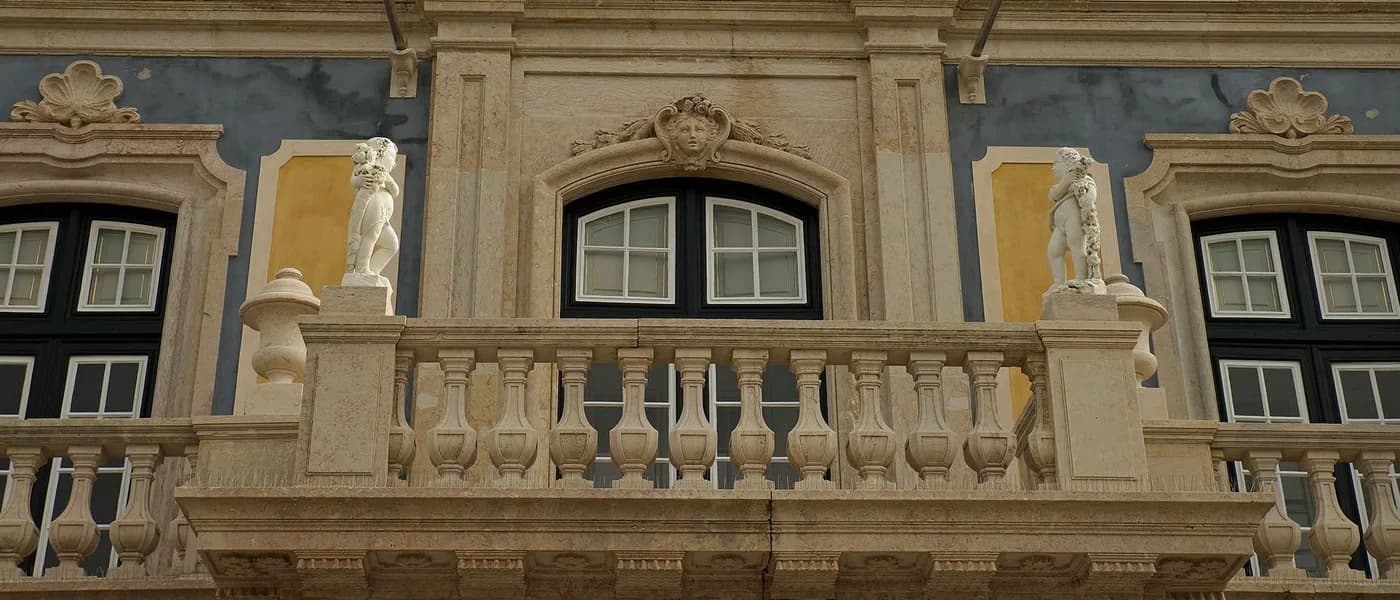
The Palácio Nacional de Queluz is the last great example of rococo in Europe, started in 1747 by Mateus Vicente de Oliveira. The 1755 earthquake interrupted the works and changed the plan: afraid of new tremors, the reconstruction went for low, long volumes instead of a tall block. That's why, seen from the outside, the palace looks like a series of wings linked by pavilions, not a monolithic building. An engineering decision that ended up defining the aesthetic.
The history that settled in here is dense. D. Maria I, the queen who came to be known as "the Pious" and later as "the Mad", lived here through her slow collapse after her husband's death. The palace was also the last official residence of the royal family before the flight to Brazil in 1807, when Napoleon entered Portugal. When they left, they left everything.
The gardens have a tile-lined canal where the court used to drift around in gondolas. That image, Lisbon pretending to be Versailles but in its own way, is what makes Queluz different from any other palace you know.
the inside, room by room
There are sixteen rooms you can visit, each with a name and an original function: Throne Room, Ambassadors' Room, Don Quixote Room, Queen's Dressing Room. It isn't decorative naming, it's the map of how the court organised space and ceremony.
The Corredor das Mangas, also called the Corredor dos Azulejos, is one of the most specific moments in the palace. The tile panels tell hunting scenes and rural life scenes with a detail that holds your eye for longer than you expected. Outside, the Cascata Grande and the Canal dos Azulejos finish the visit on a scale the interior doesn't let you guess.
what you'll find
- sixteen rooms with original furniture and decoration, not reconstructed
- a tile canal that could fit actual gondolas
- the Cascata Grande in the gardens, off the usual group route
- the Pavilhão Robillion, signed by the French architect who took on the gardens and the rococo interiors
- the façade facing the town square, no fence, no distance