four hundred years making what destroys, now keeping what's left
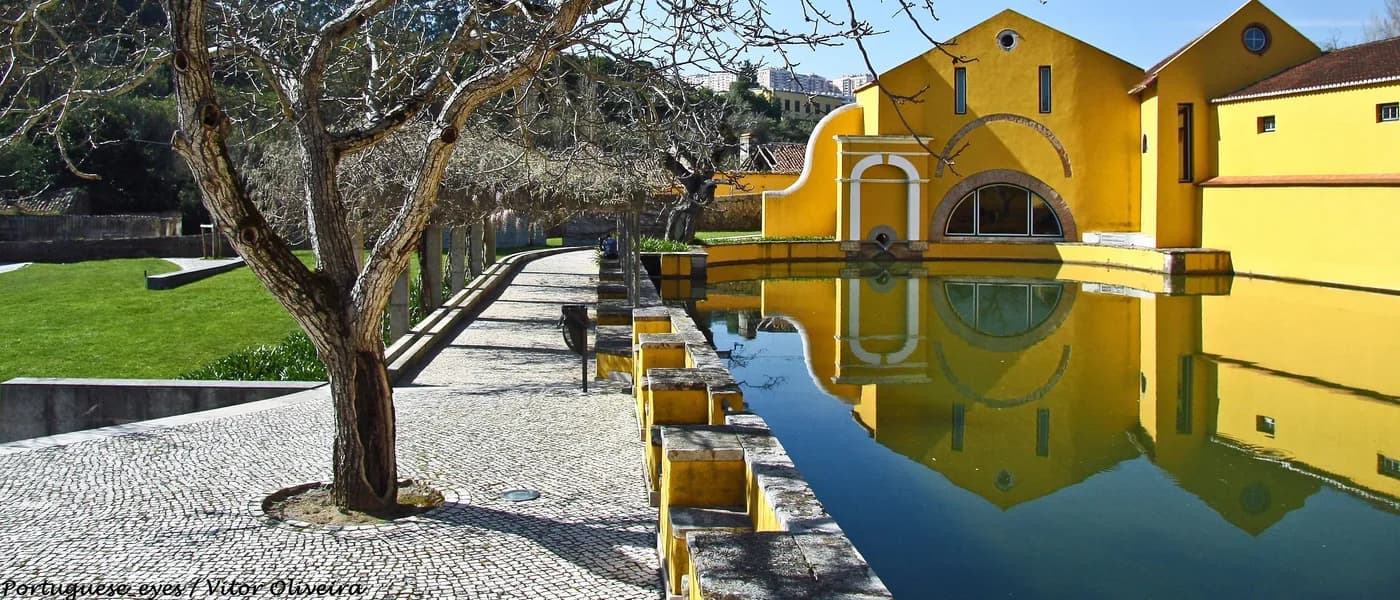
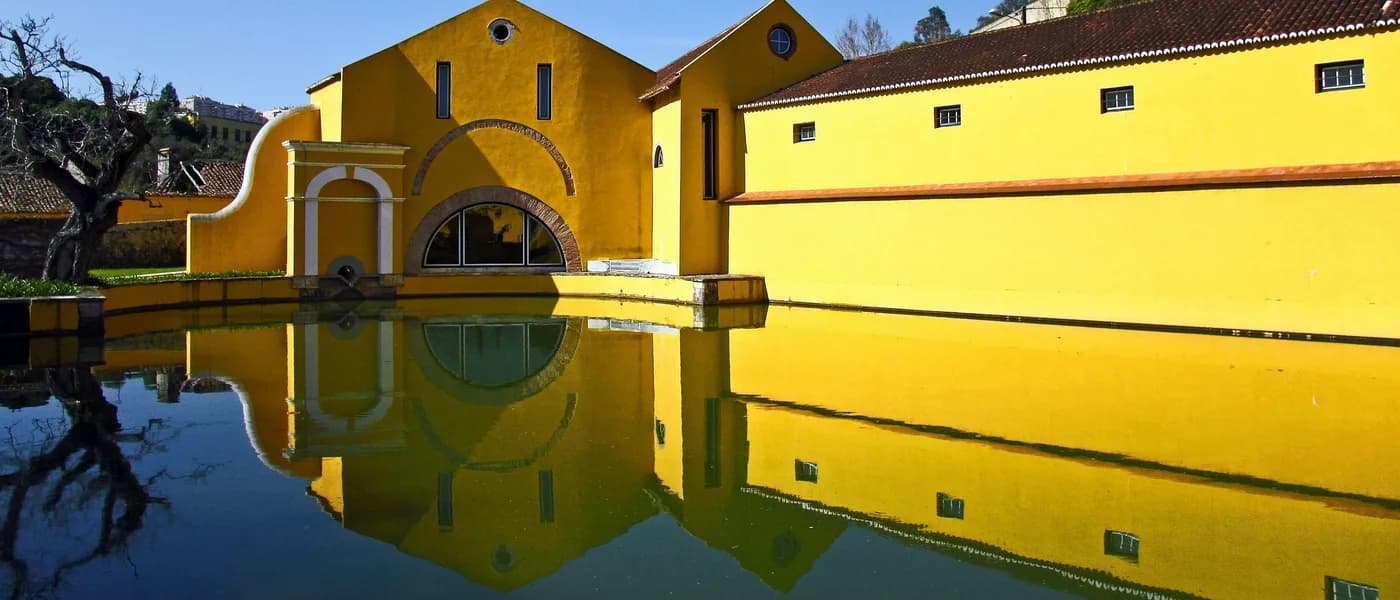
There's a museum inside a factory inside a park inside a valley. The Fábrica da Pólvora de Barcarena works like that: every layer you uncover reveals another one below. The Ribeira de Barcarena, which cuts through the complex and used to separate the Fábrica de Cima from the Fábrica de Baixo, was the driving force of everything. Without that water, there was no gunpowder. Today it's still there, but it no longer serves anyone making anything.
Four hundred years of arms production, from 1540 to 1940, left buildings scattered across a sizeable area. The Oeiras council bought the whole complex in 1995 and did what you do with big spaces full of history: filled them with different things. The result is a place where you can move from an archaeological exhibition by the Centro de Estudos Arqueológicos de Oeiras to a contemporary art gallery, without leaving the same grounds.
The Museu da Pólvora Negra is the hard core, but what makes Barcarena strange (in a good way) is the coexistence of archaeology, the university, the municipal nurseries and the Sete Sois Sete Luas festival, which happens here. It isn't a place with one function. It's a place that gradually lost its original function and picked up several at once. The valley absorbed everything.
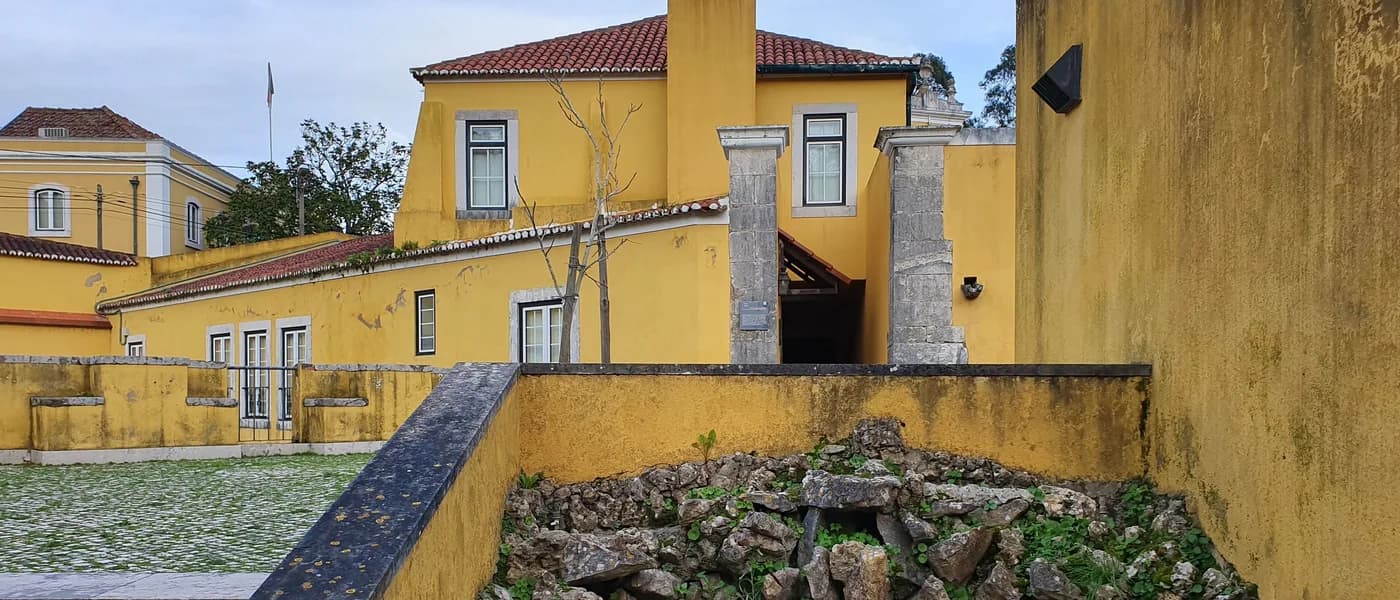
Come in through the park and let the space lead you. The stream still runs, the buildings still have the industrial scale they had, and there's something slightly unsettling about realising this place was producing explosives less than a hundred years ago.
what you'll find here
- the Museu da Pólvora Negra, with the production process explained in the very space where it happened
- archaeological exhibitions by the Centro de Estudos Arqueológicos de Oeiras
- an art gallery with its own programme by the Clube Português de Artes e Ideias
- the stream visible all along the route, still shaping the space the way it always did