where cante has a home of its own
Serpa is the community that represents Cante Alentejano on UNESCO's list of the Intangible Cultural Heritage of Humanity. It isn't a symbolic distinction: it's the recognition that this town, more than any other, keeps alive a practice that has existed for centuries with no instruments, no formal scores, no intermediaries between those who sing and those who listen.
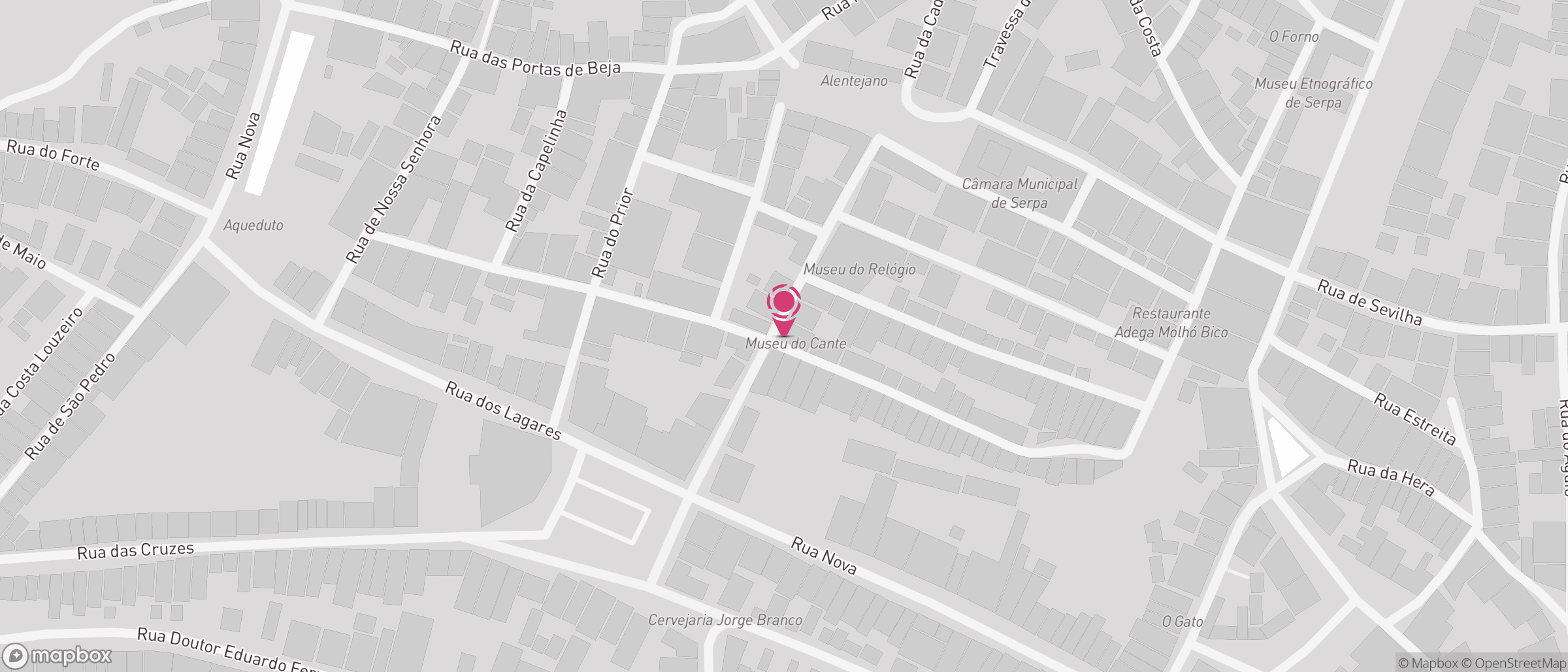
The Museu do Cante is the place where that practice gains context. The permanent exhibition takes you through the history of Alentejo choral singing, with audio recordings you can listen to right there. It isn't a museum of glass cases and captions: you can interact with the repertoire, hear modas, understand how a two-part chant is structured with groups of up to thirty singers, without a single instrument.
There's also a documentation centre dedicated to Manuel Dias Nunes, a Serpa merchant who between 1899 and 1904 published the first Alentejo songbook in the magazine "A Tradição". The name may mean nothing to you, but he was the first to set down in writing what until then lived only in the voice. The museum's auditorium serves exactly so that it doesn't stay only on the page: choral groups perform there live, and that's the difference between reading about cante and grasping what it is.
If you reach Serpa and hear voices coming up some street in the centre, don't walk away. The best of the museum may well be happening out there.
what you'll find
- a permanent exhibition with audio recordings of the traditional repertoire
- a documentation centre with a specialised library and record collection
- an auditorium with live performances by choral groups
- a gallery for temporary exhibitions linked to cante and crossover themes
- a shop with releases by the choral groups, books and research materials