serious contemporary art, in a park that isn't decoration
The white building Álvaro Siza designed for the Fundação de Serralves in 1999 doesn't try to impress you the moment you walk in. It's calculated, calm, almost austere. And that restraint is exactly what makes the inside work: the rooms scale well with large installations, natural light comes in where it should, and you never feel the space is competing with what's inside it.
Serralves isn't a permanent-collection museum in the classic sense. The rotating programme is dense and works at several speeds: exhibitions that stay for months, film cycles, activities in the park with real researchers, performances in the auditorium. There's always more than one show running at the same time, and the scales vary a lot. You can spend two hours focused on a single artist or do a whole afternoon without repeating a room.
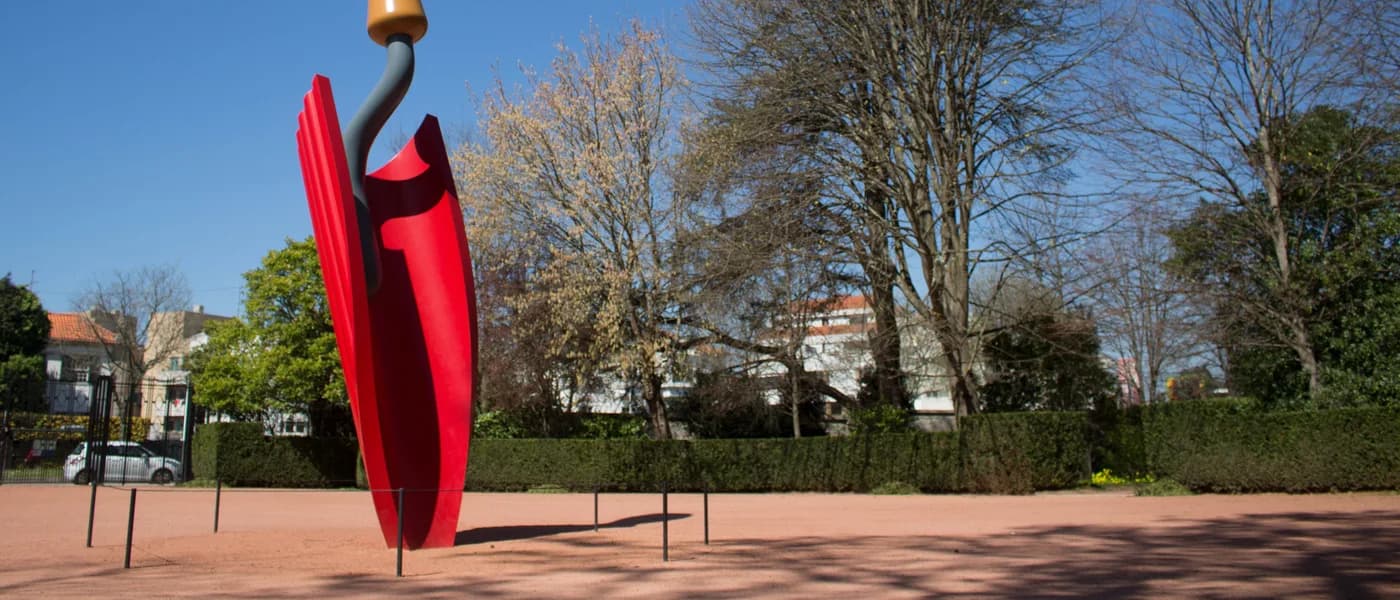
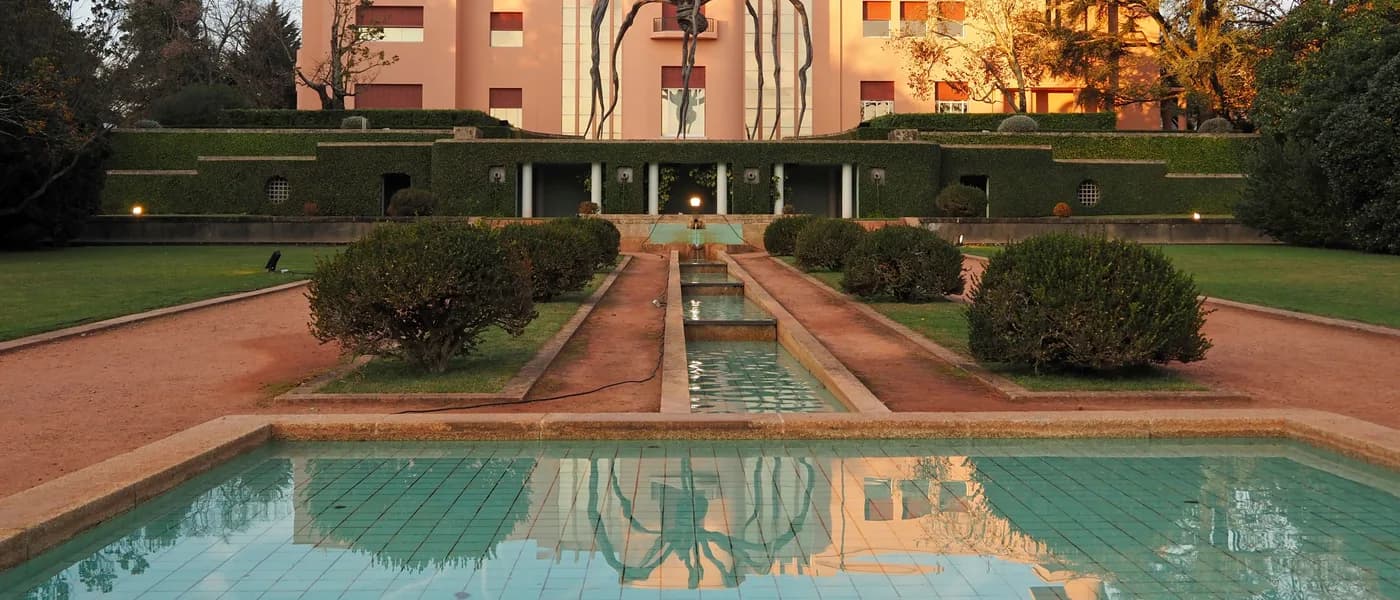
The 18-hectare park has permanent sculptures spread across the formal garden, the woods and the farmland. It's not an appendix to the museum. It's part of the programme. The Casa de Serralves, the 1930s Art Deco mansion that gave rise to all of this, hosts its own exhibitions and has a completely different atmosphere from Siza's white cube.
The Casa do Cinema Manoel de Oliveira is the third axis, less visited, and where the programme is most specialised. If Portuguese cinema seriously interests you, that's where you start.
three places in one
Siza designed the museum to relate to the park in physical terms: entrances, sightlines and transitions between inside and outside are part of the project, not accidents. The Casa de Serralves, built for the Delfim Ferreira family, keeps its original interiors in some rooms, which creates a direct contrast with the contemporary installations it hosts.
The park was designed by Jacques Gréber, the same urbanist behind the Lisbon plan of the 1940s. It has centuries-old vegetation, a rose garden, a working vegetable plot and a lake. The science and botany programming that happens here isn't a pretext. There are researchers from CIIMAR and Floradata involved, and the night fieldwork outings for amphibians are the kind of thing you don't find at any other Portuguese museum.
what you'll find
- the white Siza museum, the Art Deco Casa and the Casa do Cinema: three different programmes on the same ticket
- permanent sculptures across the park, with no aggressive signage
- a film programme focused on Manoel de Oliveira and Portuguese cinema
- science activities in the park with researchers from real institutions
- a shop with artist editions and catalogues that are hard to find elsewhere