the white polyhedron that landed on the rotunda da boavista
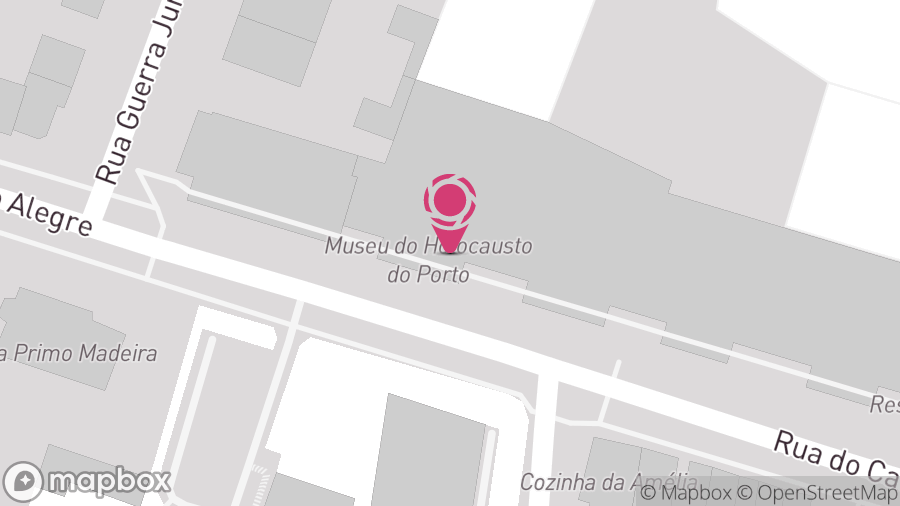
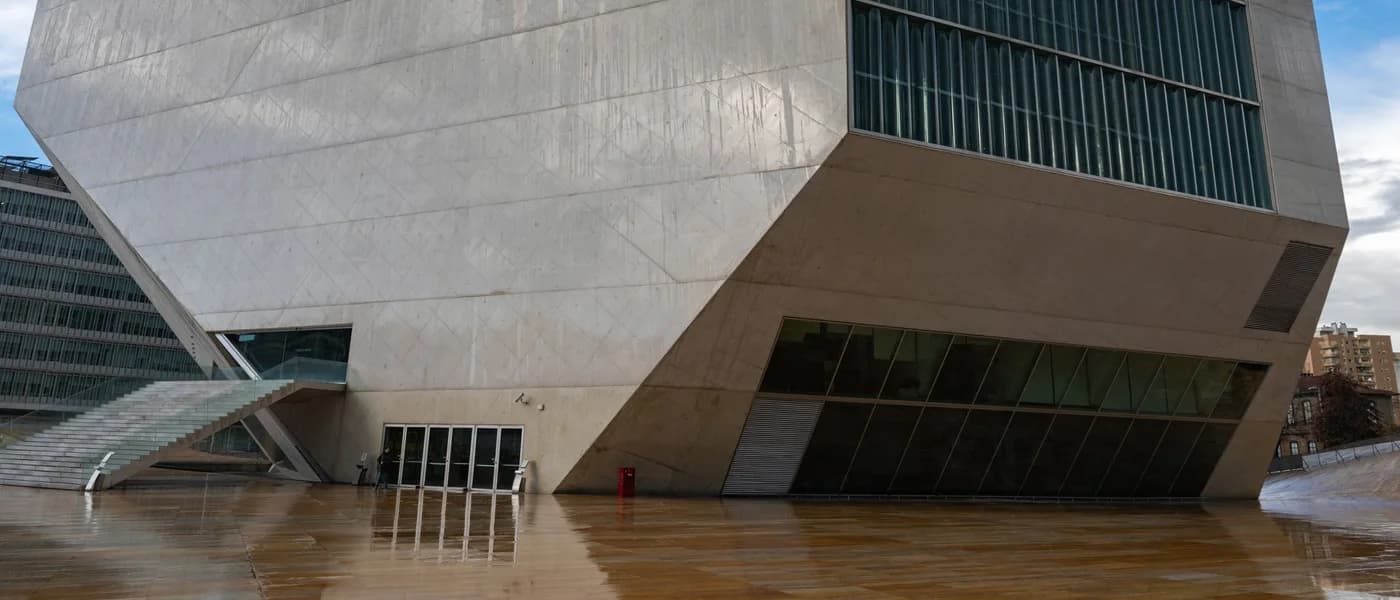
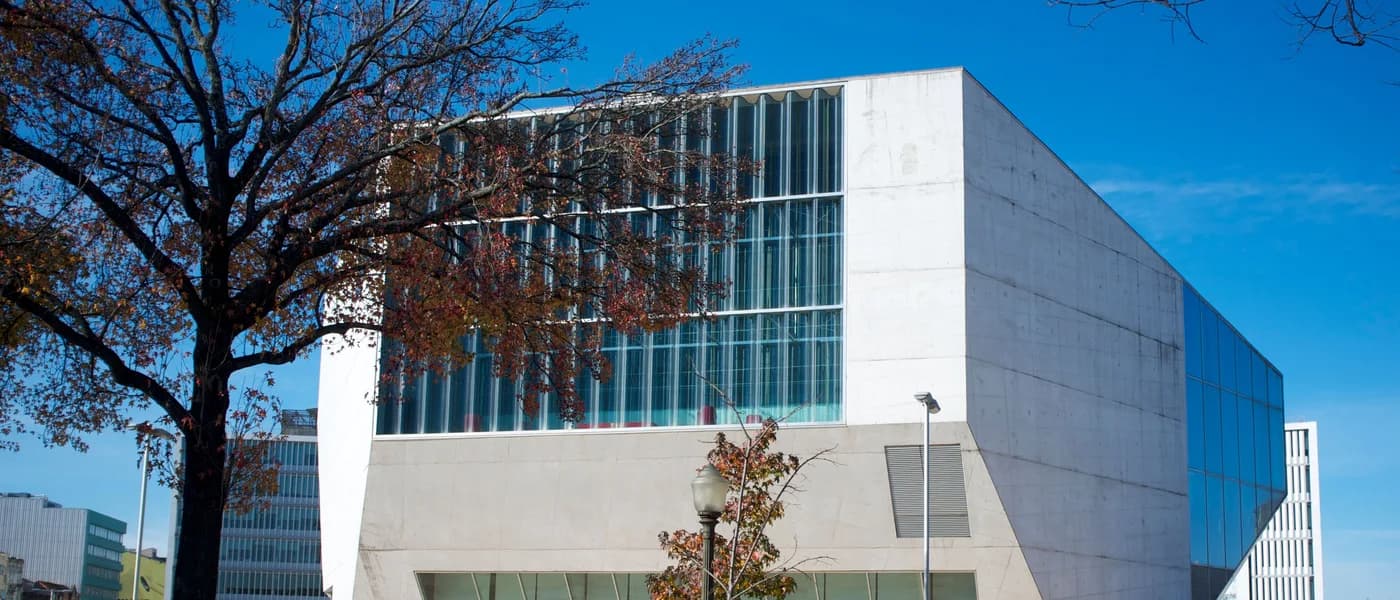
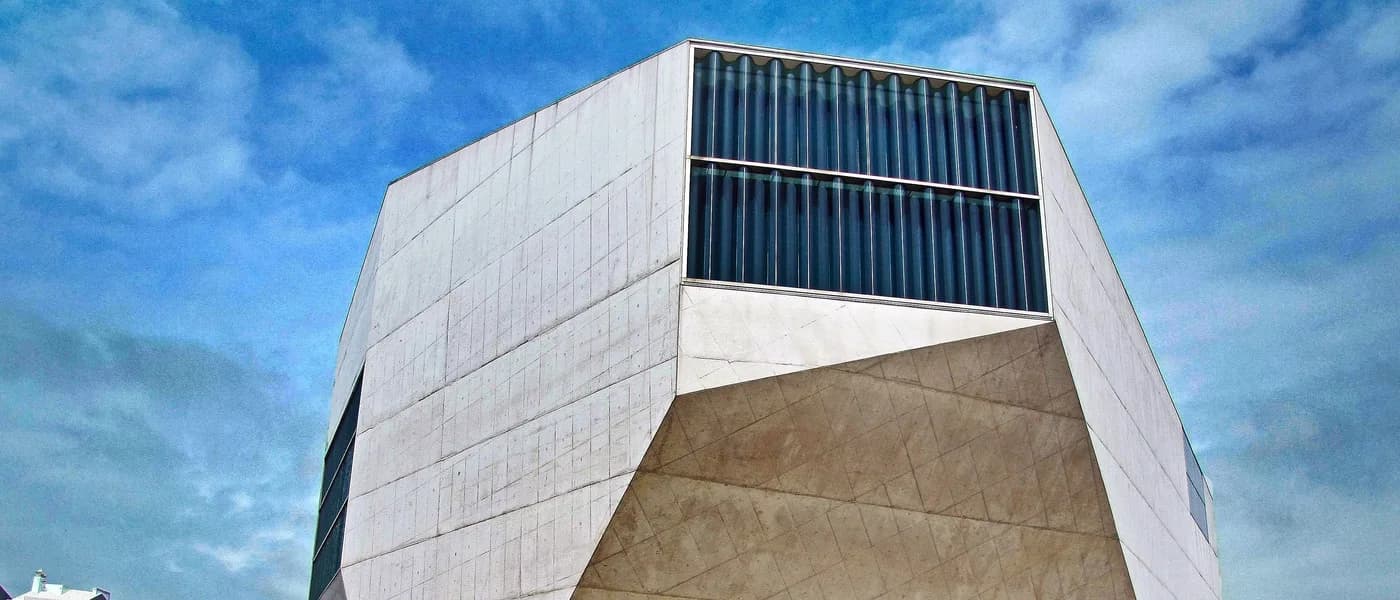
It sits on Rotunda da Boavista, on the historic axis running west from the Porto baixa, and takes the shape of an irregular white concrete polyhedron set on an elevated public square. The building is by Rem Koolhaas (OMA, the Dutch firm), inaugurated in 2005 as part of the 2001 European Capital of Culture (four years behind schedule). It has no main facade or back: it reads equally well from all four sides, and the surrounding square was designed for circulation under and around the building, with the auditorium suspended over the void.
The main hall is Sala Suggia, with around 1,200 seats, floor-to-ceiling glass side walls. In daytime concerts natural light floods the room; in evening concerts Porto appears as the backdrop outside. It may be the only classical concert hall in the world where the audience looks simultaneously at the stage and at the city. The interior walls are lined with moulded golden plywood, chosen for acoustic as much as aesthetic reasons. Sala 2 is smaller (around 300 seats), more flexible, and handles jazz, chamber music, and electronic.
The programme is built around five resident ensembles: the Orquestra Sinfónica do Porto Casa da Música (national orchestra status), the Remix Ensemble (contemporary music), the Baroque Orchestra, the Coro Casa da Música, and the Coro Infantil. It crosses classical and contemporary repertoire with jazz, traditional music, world music, and educational strands (Casa Educa, with a programme for schools and children). It's one of the three or four most consistently strong live music programmes in the country.
Even without going to a concert, you can visit the building through guided tours that take in the halls, backstage, and the corners of the interior labyrinth Koolhaas designed. Access to the surrounding square is free, it's public space, and it works as a youth meeting point at the end of the day (with skateboards using the square's slopes, which was exactly one of the project's intentions). The Casa is a few minutes' walk from the Centro Português de Fotografia, the Museu Soares dos Reis, and the old city centre.
the whole scene
- building by Rem Koolhaas (OMA), inaugurated in 2005
- Sala Suggia with glazed side walls, the city visible during the concert
- five resident ensembles, very varied programme throughout the year
- guided tours of the building, including backstage and the roof
- free public square surrounding it, a meeting point beyond the shows