a house that swallowed churches from the inside
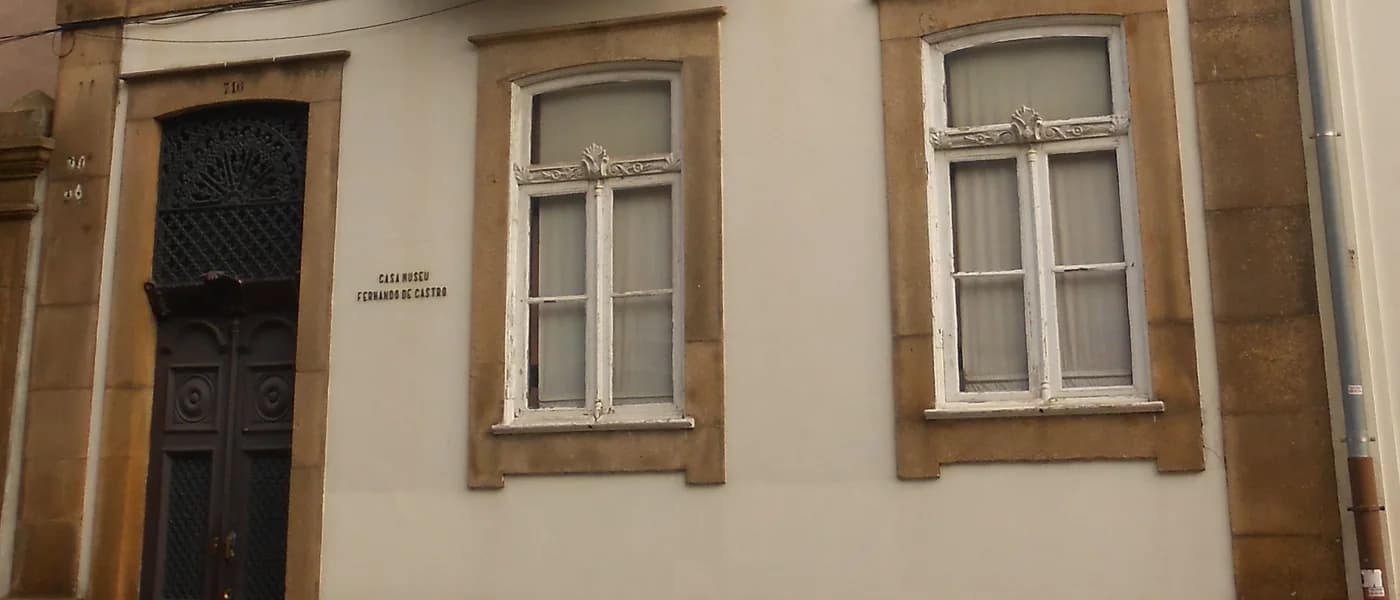
On Rua de Costa Cabral a lot of people pass by and almost none of them notice this three-storey bourgeois townhouse. The facade gives nothing away. Nothing prepares you for what's on the other side of the door.
Fernando de Castro was the son of a glass and mirror merchant who prospered enough to build a new house between 1893 and 1908. The son inherited the taste for objects but took it somewhere else. Between the 1920s and the early 1940s, he kept buying Baroque carved woodwork removed from deactivated churches and convents, following the Law of Separation of State and Churches. He didn't organise the pieces by period or theme. He lined the walls. He lined the ceilings. The gilded carving ended up covering the interiors almost entirely, room after room, up the stairs.
a collector outside the norm
The collection mixes erudite and popular religious art, Portuguese naturalist painting from the 17th to the 20th centuries, sculpture, ceramics and decorative arts. There are also caricatures and books by Fernando de Castro himself, who wrote and drew. The arrangement of objects in the rooms is, in large part, the one his sister, Maria da Luz, left when she donated the property to the State, fulfilling her brother's posthumous wish. The museum opened in 1952 and has since been under the administration of the Museu Nacional Soares dos Reis.
The visit is guided and by appointment. Don't turn up without booking.
go ready for
- interiors completely lined with Baroque carved woodwork, floor to ceiling
- three floors without a lift and five flights of stairs
- groups limited to ten people per visit