portuguese crafts of the twentieth century, in one block on the tejo bank
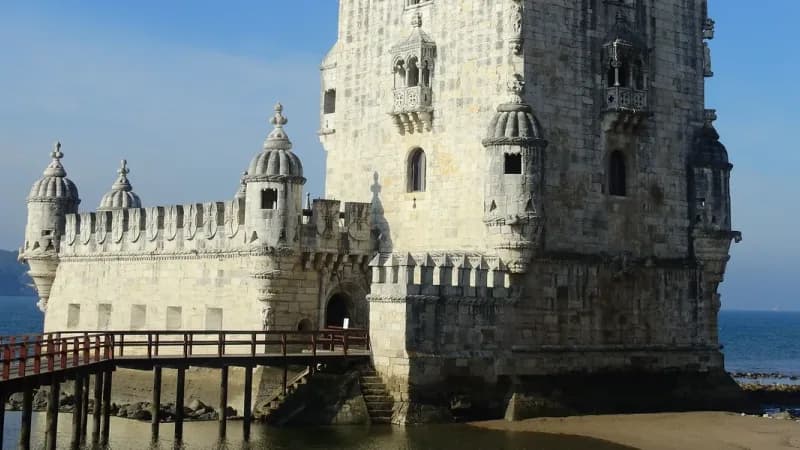
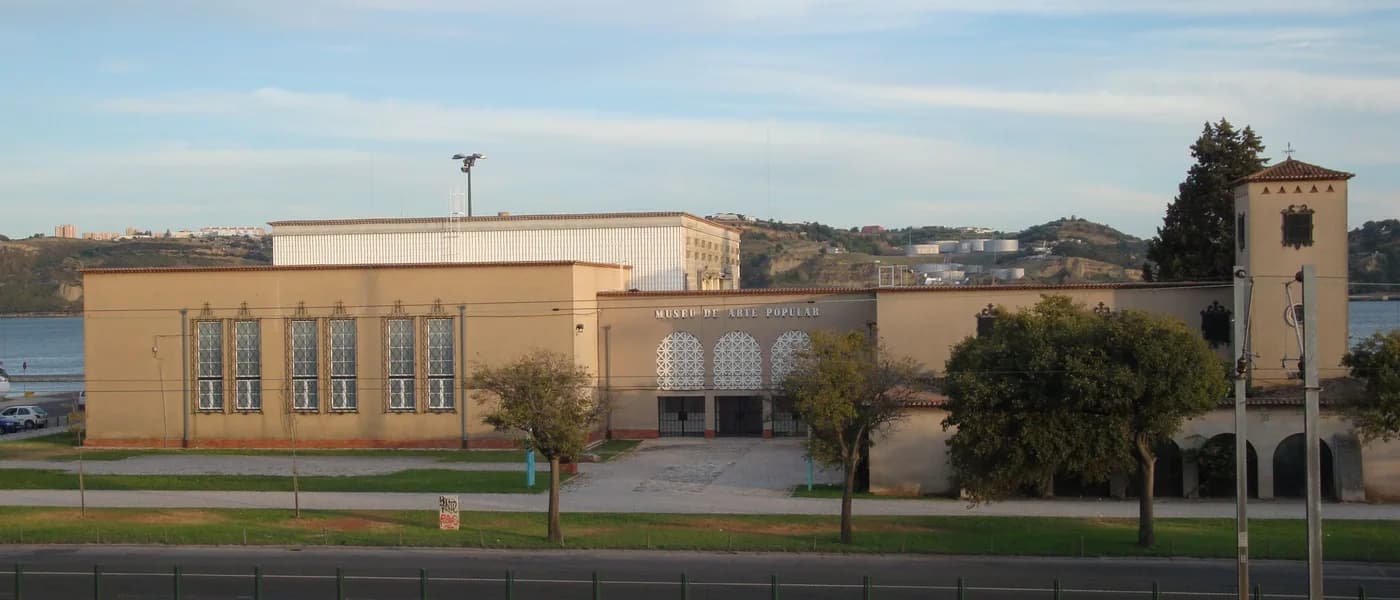
A long white building, right up against the river just before the Torre de Belém. Built for the 1940 Exposição do Mundo Português, the Museu de Arte Popular opened here two years later and never left. It's been in the same spot for over eighty years, with the Tejo in front and the Jerónimos behind.
Inside, the country is divided by regions. Each room represents a different area: Minho, Trás-os-Montes, Beira, Alentejo, Algarve, the islands. What you see isn't ethnographic reconstruction with touchscreens. These are real objects, gathered in the field from the 1940s onwards, when much of this craft production was still alive as everyday practice.
What sets the museum apart is exactly that collection period. You're looking at a snapshot of what existed before industrialisation finished the job it was already doing. Miniatures, textiles, ceramics, cork and wicker work. Not as decorative pieces, but as functional objects made by people with a name and a place.
You leave with a clearer picture of how Portugal was different from itself, region by region, before everything started to look alike.
the permanent exhibition as a living archive
The collection was conceived by a group of artists and ethnographers linked to the Estado Novo, which has implications for how you read it: there's a constructed narrative about the "Portuguese people" worth keeping in mind as you walk through the rooms. The museum doesn't hide this, but doesn't make it a central theme either.
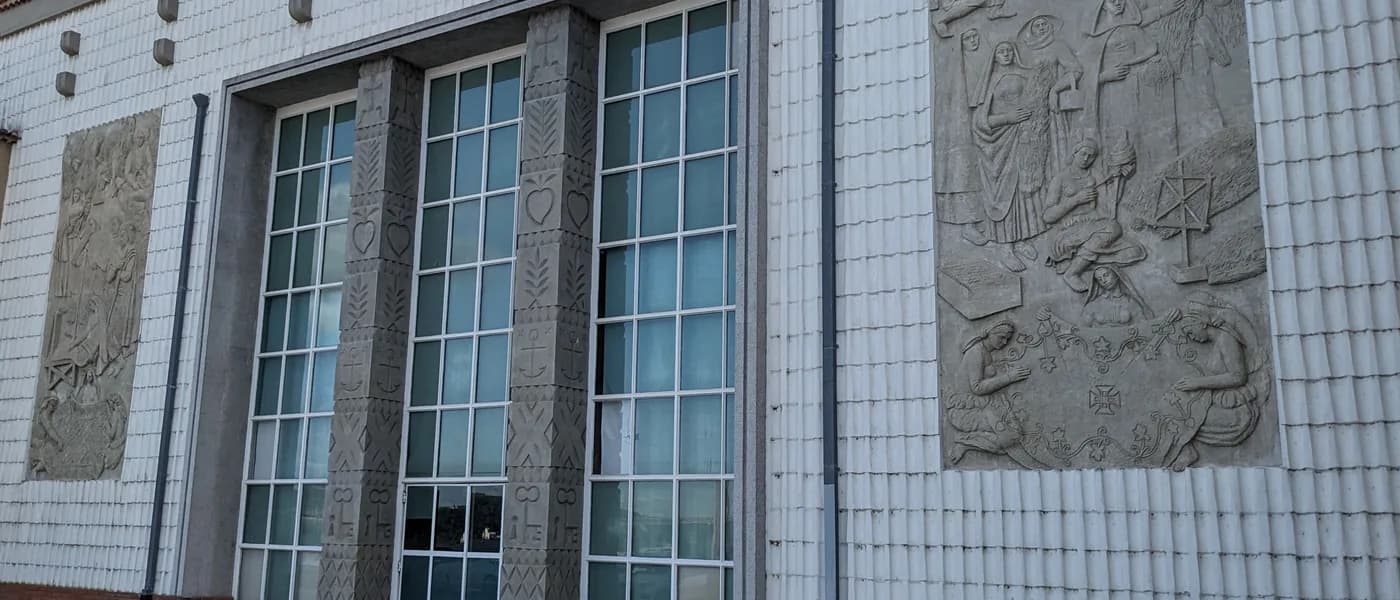
What remains, beyond the cultural politics that shaped the collection, are the objects themselves. Panels painted by artists like Almada Negreiros and João Follows frame the pieces in the rooms, giving the space a particular aesthetic, half museum, half 1940s installation.
what you'll find
- household and work objects from all regions of the mainland and islands
- decorative panels by 20th-century Portuguese artists integrated into the room architecture
- a Estado Novo building with direct views of the Tejo
- few crowds, even on the busiest days in Belém