archaeology, africa and indo-portuguese furniture in the centre of figueira
António dos Santos Rocha was an archaeologist and a figueirense. In 1894 he decided to set up a museum in his own city, and over the next sixteen years he turned it into a reference point with reach beyond the country. When he died, in 1910, he left a collection with a range most district capitals can't match.
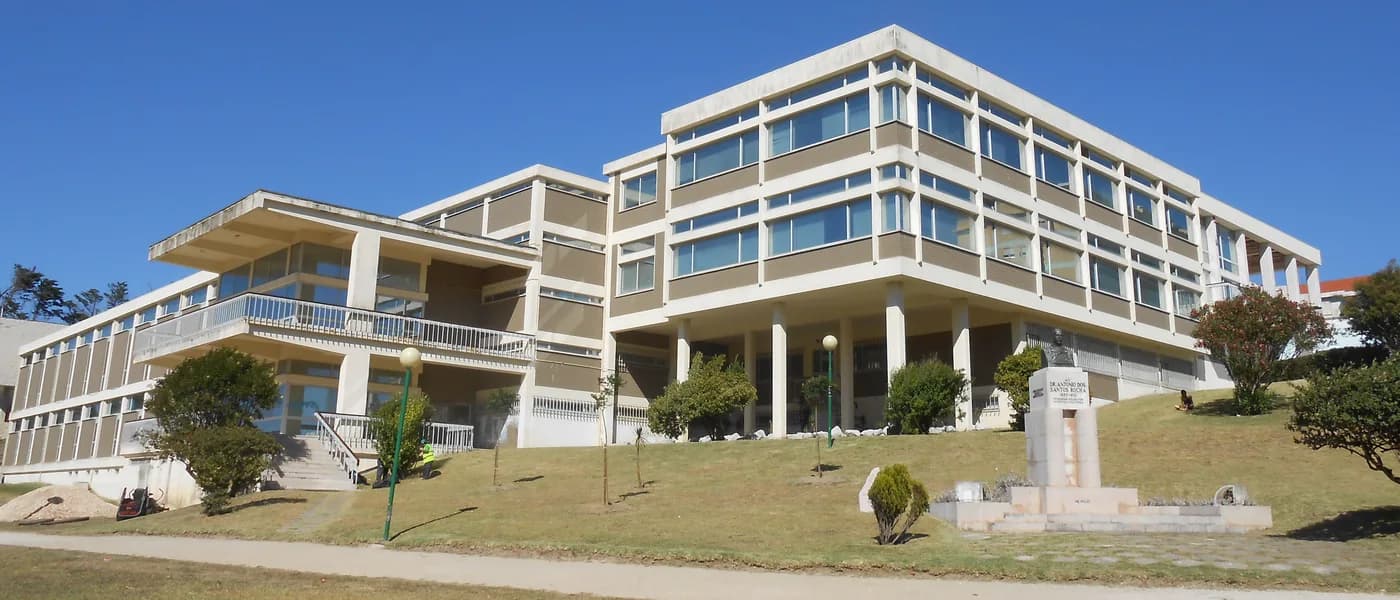
The Museu Municipal Santos Rocha has been sitting since 1976 in a building put up from scratch by the Calouste Gulbenkian Foundation, designed by architect José Isaías Cardoso. It's not a repurposed palace or an adapted historical house: it was thought of as a museum from the start, and you can tell by the way the collections breathe inside it.
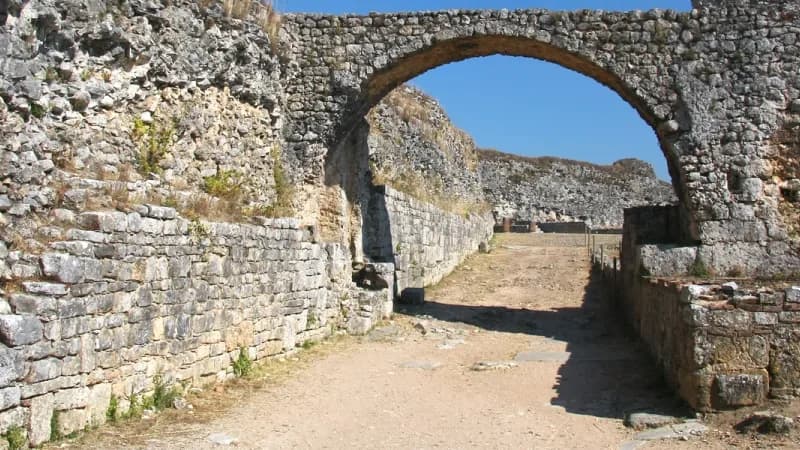
What you find doesn't follow a single thematic logic. Archaeological pieces share space with religious sculpture, Indo-Portuguese furniture, African and Asian ethnography, historical weapons and numismatics. It's a museum that grew by accumulation of curiosity, not by commission. In 1993 it was voted Museum of the Year by the Portuguese Association of Museology, and it's still the kind of place that surprises anyone walking in expecting not much.
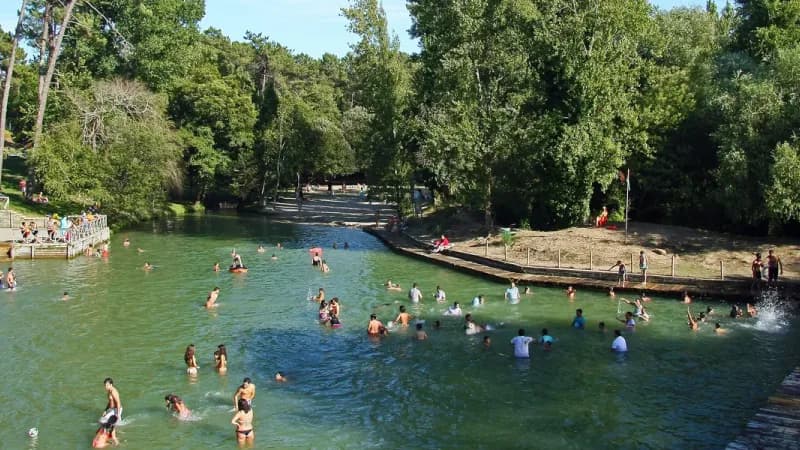
The Parque das Abadias is right next door, which makes it easy to stretch the visit out into the open air. Figueira has the sea, it has the river, and it has this in the middle: a museum that raises questions about what this city was before it became a beach destination.
the museum that grew beyond itself
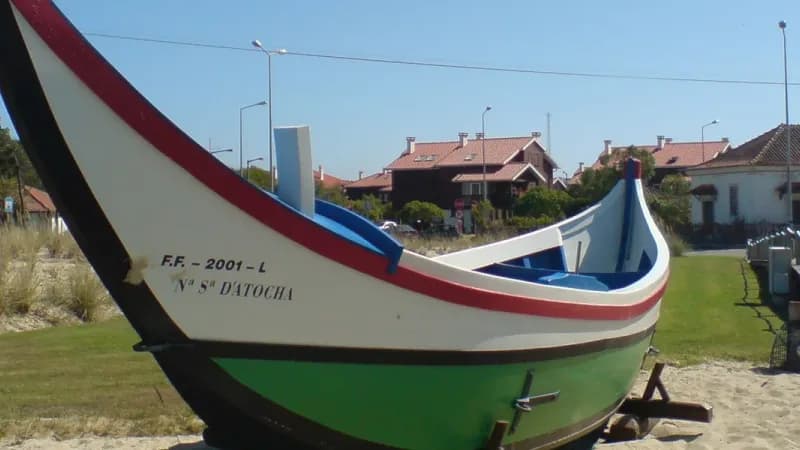
In 2003 the Santos Rocha branched out into two satellite sites away from the main building. The Núcleo do Mar, in Buarcos, and the Núcleo do Sal in Lavos (Ecomuseu) stretch the museum's reading out into the activities that defined this stretch of coast for centuries. If you have the time, the three sites together tell a story none of them tells on its own.
what you'll find
- Indo-Portuguese furniture you don't expect to see on this scale outside Lisbon
- African and Asian ethnography in a collection that comes straight from the founder's drive
- the municipal library and the photographic archive in the same building
- a 226-seat auditorium, active for cultural programming