the museum the roman city built around itself
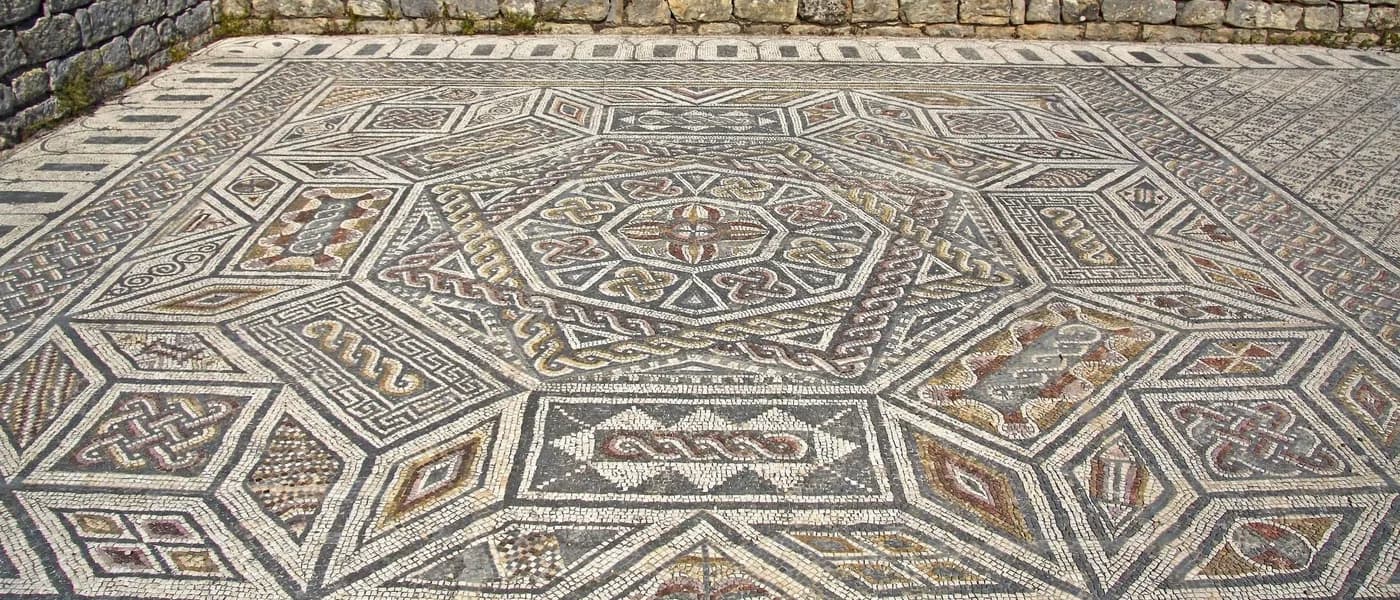
There are mosaics here that are still intact after two thousand years. Floors with geometric figures, hunting scenes, water motifs, that lay under the soil while the rest of Portugal kept changing shape. The Museu Nacional de Conímbriga exists because the ruins around it exist, and the two things are inseparable: you walk into the museum and the dig sites are on the other side of the glass.
It opened in 1962, still under the name Museu Monográfico, and only became national in 2017. Half a century of collecting what kept coming out of the ground at Condeixa-a-Velha: sculptures, pottery, coins, surgical instruments, dressing-table objects, things people lost or buried and never came back for. The collection isn't a reconstruction of what Roman life might have been. It's what was left from the Roman life that actually happened here.
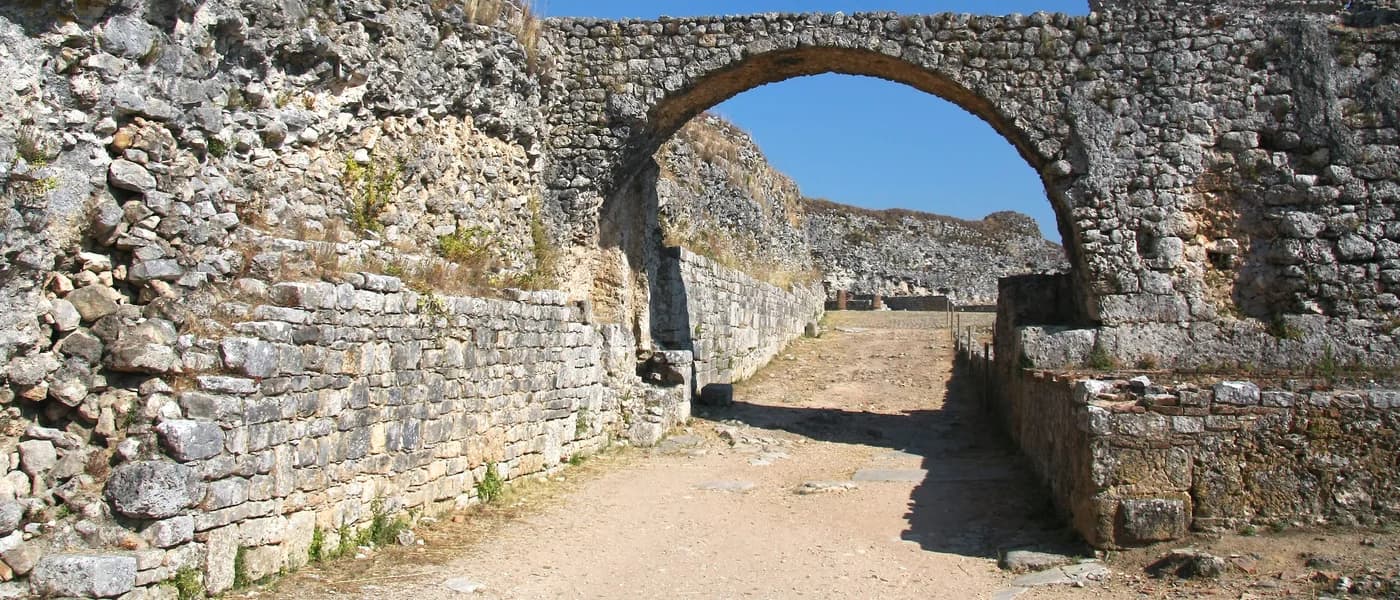
Conímbriga was a city with an aqueduct, baths, a forum and houses with hypocaust, the underfloor heating system. The wall you can still see was built in a rush in the 3rd century to hold off the invasions, and it pulled part of the forum inside itself. The museum explains this collapse with the very materials of the collapse.
You leave with a concrete idea of what it was like to live in this piece of Beira Litoral when it was still called something else.
what the mosaics don't tell you at first sight
The mosaics on display didn't all come from the same place or the same period. Some were lifted from specific houses in the ruins, houses that have names, like the Casa dos Repuxos or the Casa de Cantaber, and that context changes what you're looking at. It's not generic decorative art: it's the floor of a dining room belonging to a family that lived here in the 2nd century.
The technique, tessera by tessera, is visible up close with no barrier keeping you back. You can see where the craftsman adjusted the pattern around a curve or worked out a tricky corner. It's the kind of detail a photo doesn't capture and that justifies turning up in person.
come prepared for
- the ruins can be visited separately, but the museum gives you the context the ruins can't give on their own
- mosaics on show that came from specific, identified houses in the digs
- everyday Roman objects you don't see in generalist museums: weights, tools, medical instruments
- accessible flooring and route, with good signage in Portuguese and English