the museum is the river, not a building
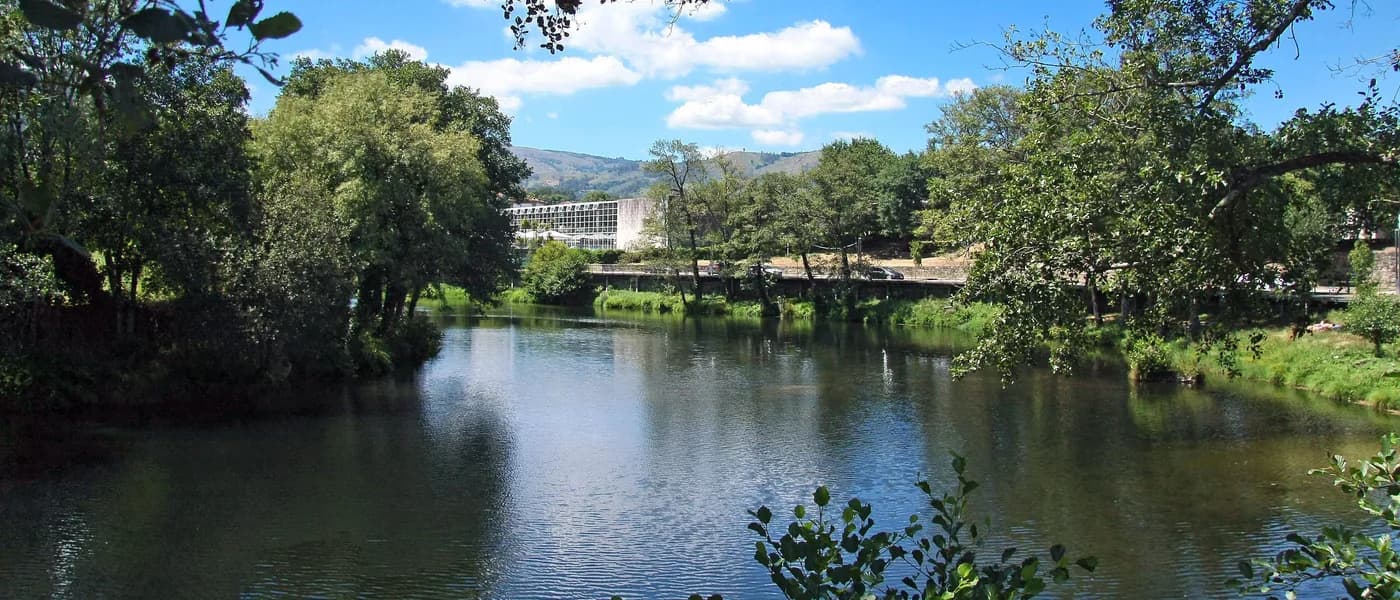
At first you'll think this is some kind of mix-up. You go looking for a museum and what's on the map is a small visitor centre with a bit of multimedia inside, and then it's out the door and walking. The exhibition is the river itself.
The Museu da Água ao Ar Livre do Rio Vez covers a stretch of around 20 kilometres between the river mouth and the Ponte de Vilela, a medieval bridge. Along the way, information panels flag what you're looking at: fauna, flora, old weirs, bridges, traces of what people built to make use of the water. It's not a walk you do in a couple of hours if you want to cover it all. Most people do sections.
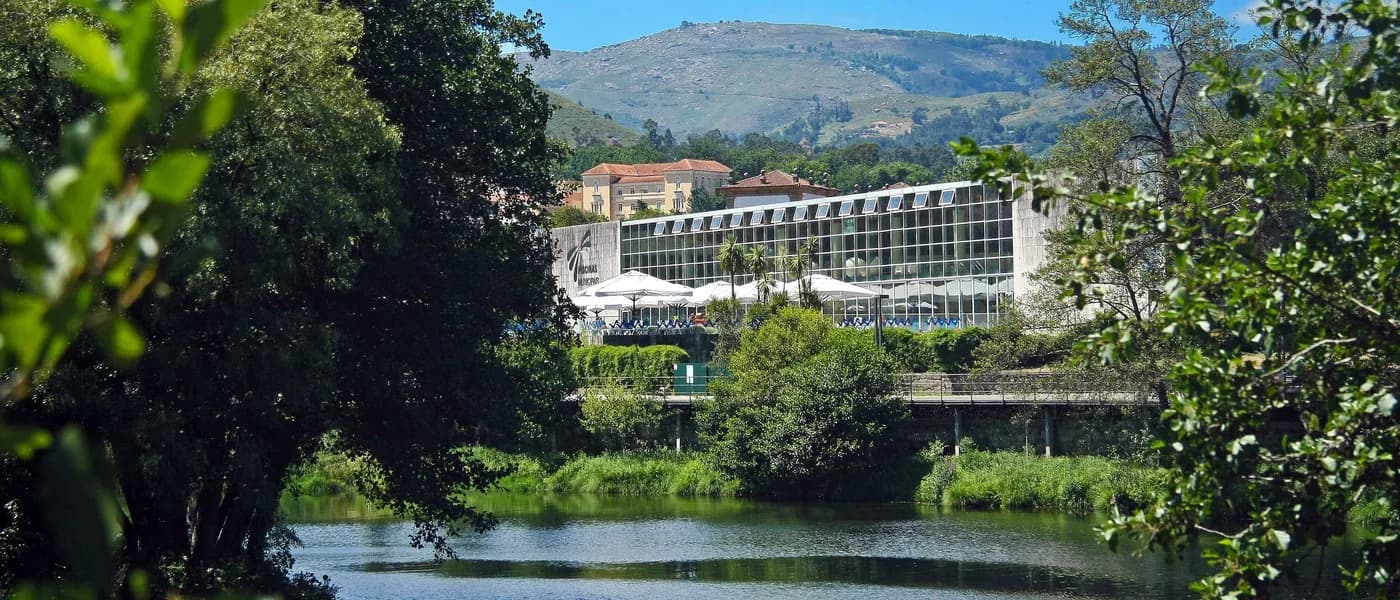
The sensible starting point is the Centro de Interpretação e Acolhimento, the old Fluvivez building, on the left bank of the river right in town. You pick up information, work out where the observatories and the rehabilitated weirs are, and head off. The museum's emblem is the white-throated dipper, a bird that only stays around clean rivers. If you spot it on one of the sections, that on its own answers half the questions about the health of the Vez.
It works best in spring and early autumn, with the flow still alive and the banks green. In dry summer it loses visual punch, in full winter some spots get less accessible. Bring shoes you can actually walk in.
what you'll find
- a small interpretation centre, with multimedia, in town
- 20 km of signposted river path between the mouth of the Vez and the Ponte de Vilela
- nine restored weirs along the stretch
- wildlife observatories, one of them eight metres up in Santar
- the white-throated dipper, if you've got luck and a sharp eye