where stone tells the story of the mountain
You could pick up any rock on the mountain and not give it much thought. At the Museu do Quartzo, the same stone becomes something else: evidence of a territory with one of the highest concentrations of quartz on the Iberian Peninsula. The Alto Minho has this under its feet, and this museum explains why.
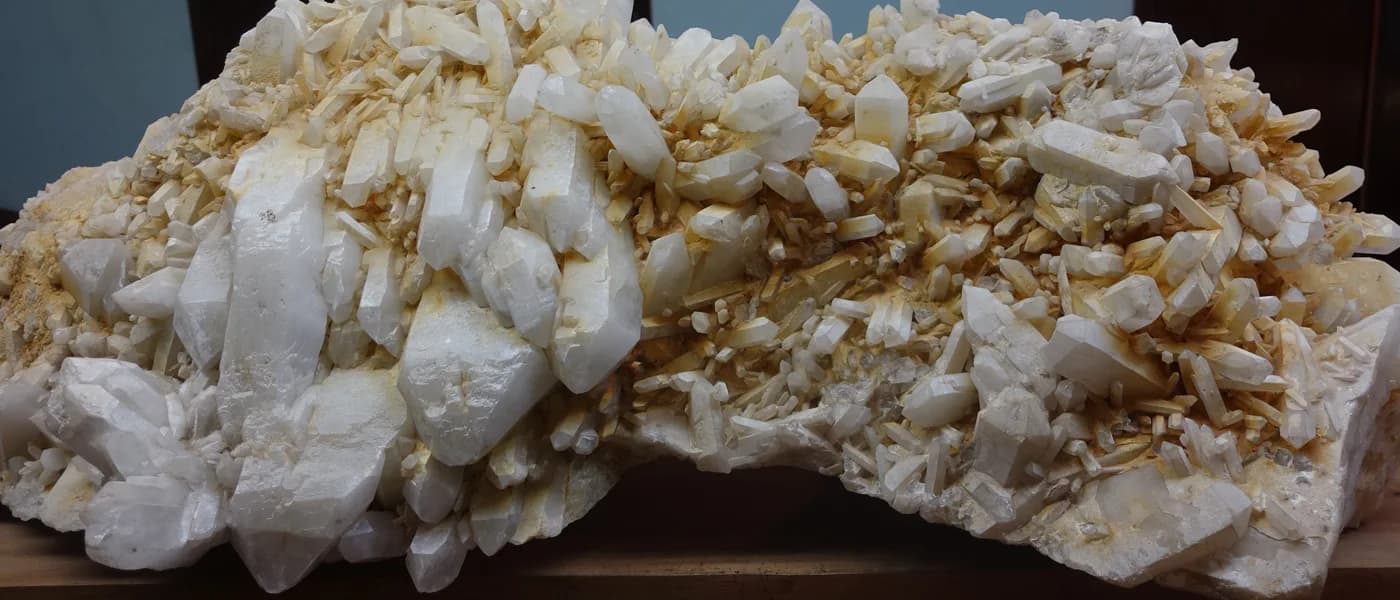
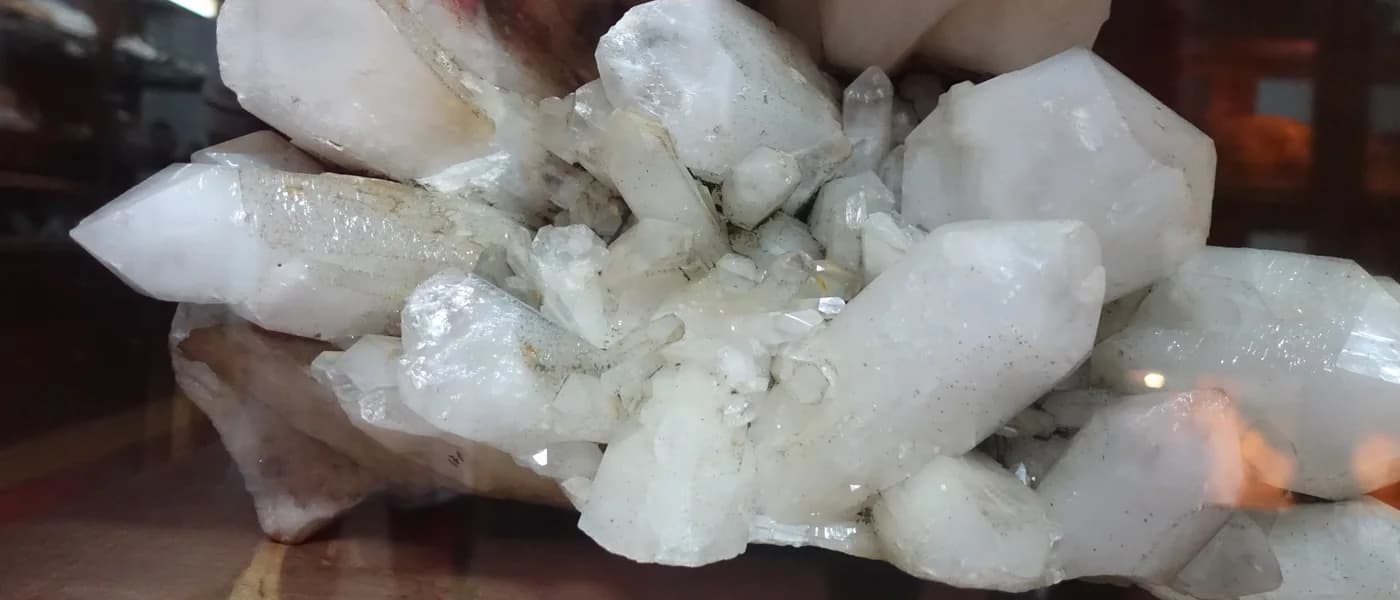
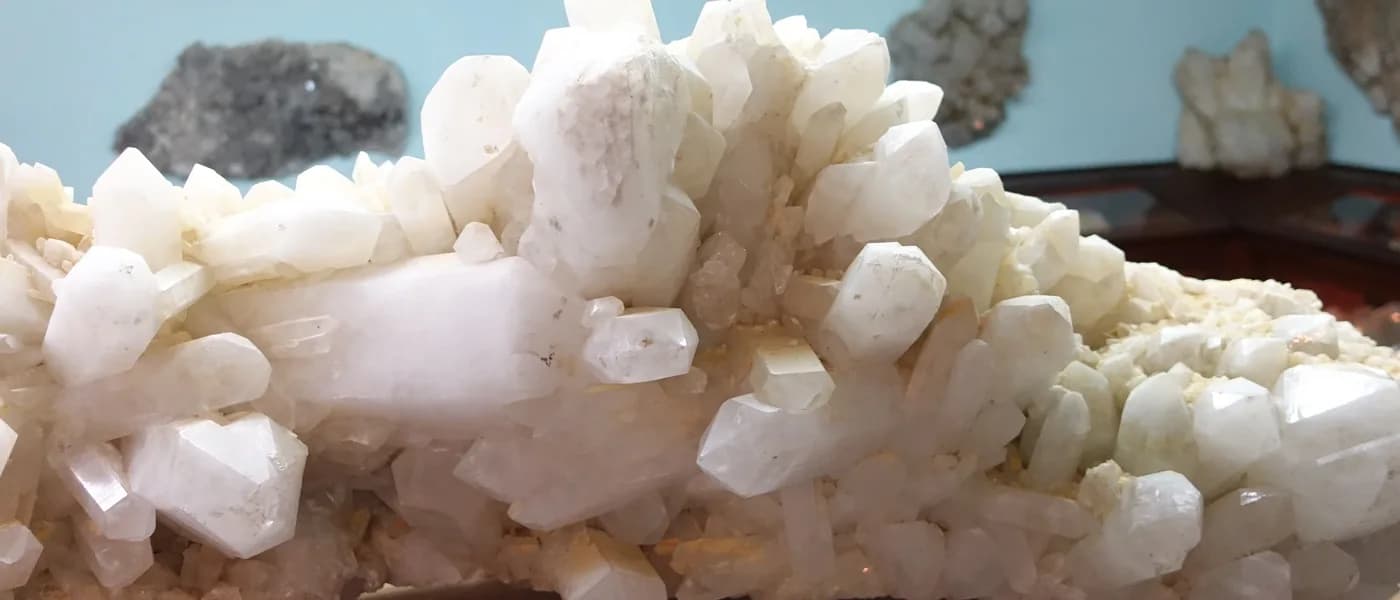
The collection brings together dozens of quartz varieties gathered mainly in the Parque Nacional da Peneda-Gerês and the Serra Amarela, which frames Ponte da Barca. Crystals, veins, forms you wouldn't expect to find in a room this size. The scale isn't that of a capital-city museum, but the specificity makes up for it.
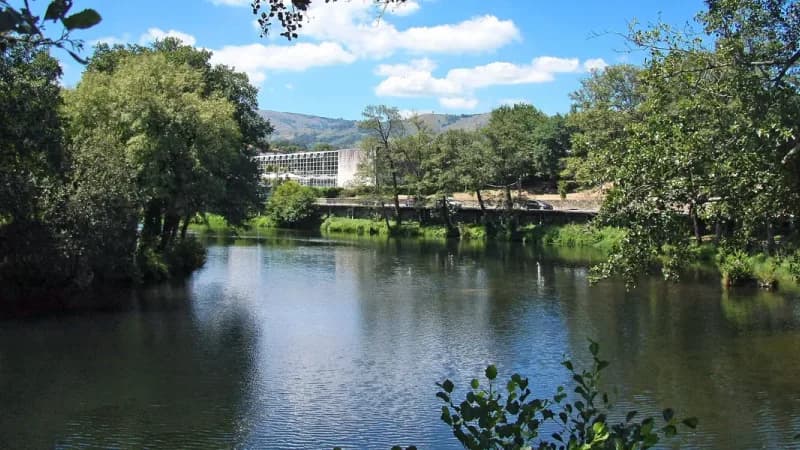
It sits within the complex of the Santuário de Nossa Senhora da Paz, just outside the town, with a view over the Vale do Lima. You arrive and realise the museum is also a reason to stop at this natural viewpoint before heading up the mountain or down to the river.
the geology that explains the landscape
The Serra Amarela, which dominates the horizon to the south of Ponte da Barca, is a granite massif with quartz intrusions that shaped the landscape over millions of years. What the museum shows in its cases is what you find loose on the mountain paths, in outcrops and along the riverbanks of the region.
This direct connection between the collection and the territory is what makes the visit useful before entering the National Park. You look at the samples, then you look at the mountain, and you start to read what was previously just anonymous rock.
what you'll find
- quartz crystals with unexpected shapes and transparency
- colour variations ranging from milky white to smoky
- geological context of the Parque Nacional da Peneda-Gerês in an accessible format
- the sanctuary and the Lima valley right at the door