the clay that tells the whole island
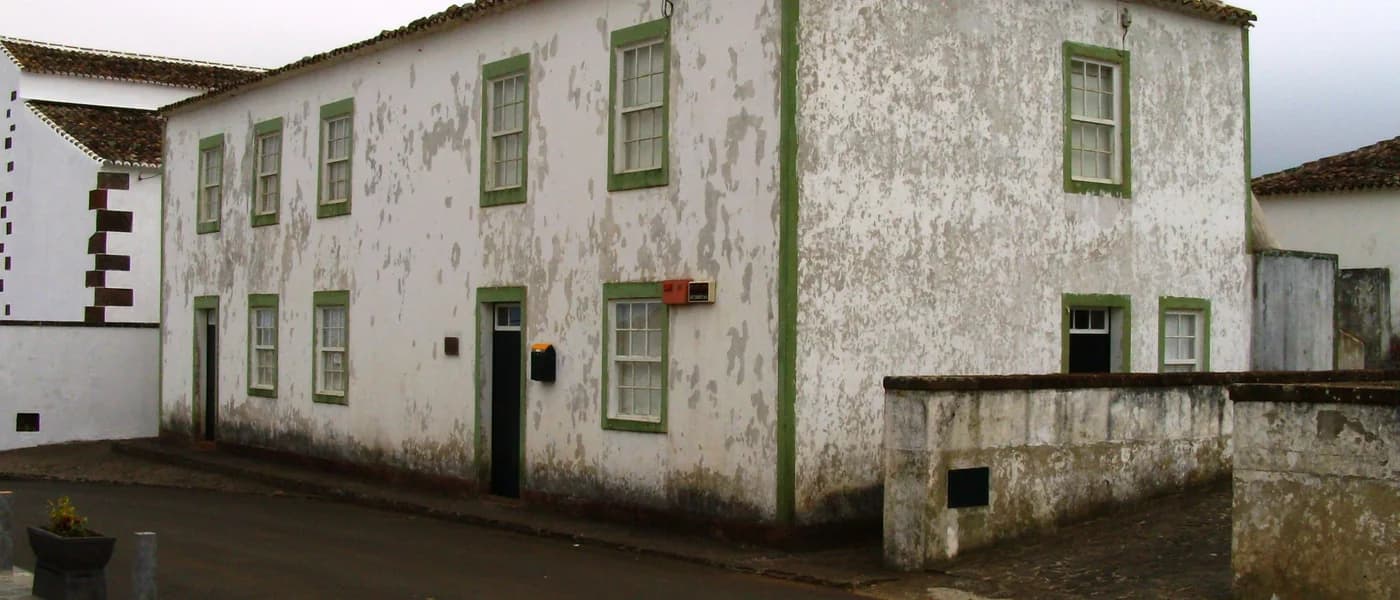
It started with a parish priest who didn't want things to disappear. Father José Maria Amaral collected pieces, keeping them in an old house next to the Igreja de Santo Espírito, and in 1972 he opened a parish ethnographic museum there. Decades later, the Museu de Santa Maria became a regional institution, with a studied collection and an adapted space. The tubular chimney and the bulbous oven of the building are details of rural Marian architecture you won't find anywhere else in the Açores.
The central focus is ceramics. Not as wall decoration, but as a record of life: pieces used in kitchens, in house stores, in farm work. There's local production from Santa Maria, but also pieces from Lagoa on São Miguel and from Terceira, which turns the exhibition into a map of the internal trade routes of the archipelago. The collections cover the 19th and 20th centuries, when this island still lived very much turned in on itself.
The permanent exhibition is called "Clay, Ceramics and Everyday Life" and has small sections on agriculture and weaving that complete the picture. Santo Espírito is in the southern interior of the island, far from the bustle of Vila do Porto, and getting here already helps you understand another scale of Santa Maria.
what you'll find
- utilitarian ceramics of Marian production, among the oldest on the island
- pieces from São Miguel and Terceira that show the internal trade routes of the Açores
- architecture with tubular chimney and bulbous oven typical of Santa Maria
- sections on weaving and agriculture that contextualise the ceramic collection
- building within the protected zone of the Igreja de Nossa Senhora da Purificação