the village the dam swallowed
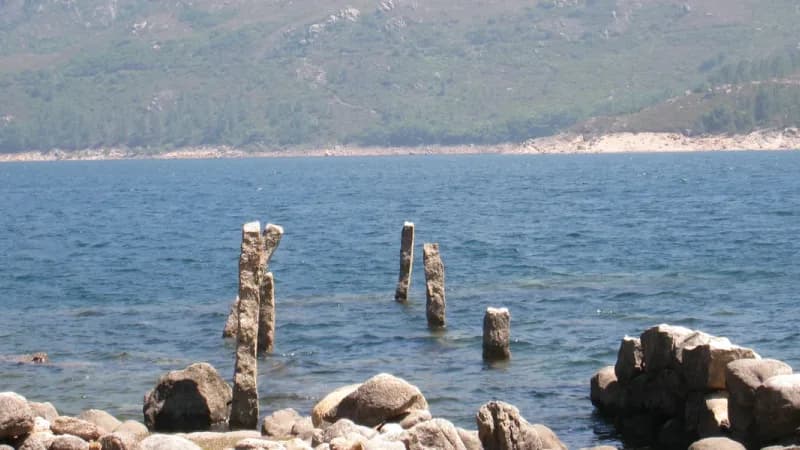
In 1971, the Vilarinho da Furna reservoir rose and covered everything: houses, paths, the Igreja de São João, the memories of those who had lived there for centuries. When the water drops, in the driest summers, the walls come back up to the surface like a ghost in stone. The museum exists precisely because of that.
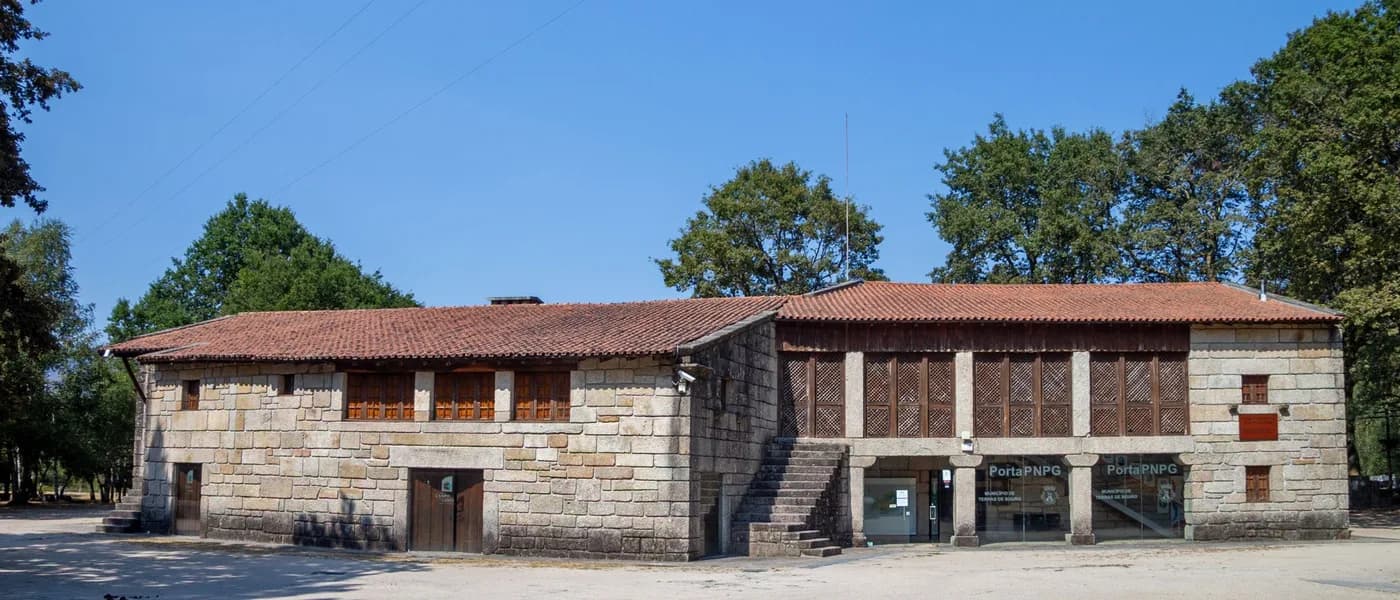
The Museu Etnográfico de Vilarinho da Furna was set up on the initiative of the displaced inhabitants themselves, who refused to let the record of their community life disappear. What they kept is striking: farming tools, household utensils, photographs, documents and the testimonies of a village that ran on a communal system almost unique in the country, with assemblies of neighbours deciding everything from pastures to harvests.
You're in the Gerês, in a place where the past isn't a tourist reconstruction but the living memory of people who are still around. The story of the submerged village gives a different density to everything you see in the cases, and you leave looking at the reservoir with completely different eyes.
a community out of the ordinary
Vilarinho da Furna wasn't just any village. The model of collective organisation that existed there was studied by the anthropologist Jorge Dias in the 50s, making it a reference case in Portuguese ethnography. The shared decisions on land, livestock and labour weren't folklore: they were the system that kept the village running for generations.
With the construction of the dam that flooded the valley, that system lost its physical place. The museum is, to a large extent, the attempt to preserve not just the objects but the logic of a community that organised life in a way radically different from the rest of the country.
what you'll find
- the walls of the submerged village, visible from the reservoir's edge in dry years
- holdings gathered by the inhabitants themselves before the flooding
- ethnographic records from Jorge Dias's fieldwork
- a collection that tells a story of expropriation, not just of tradition