the seafarers' brotherhood, in stone and time
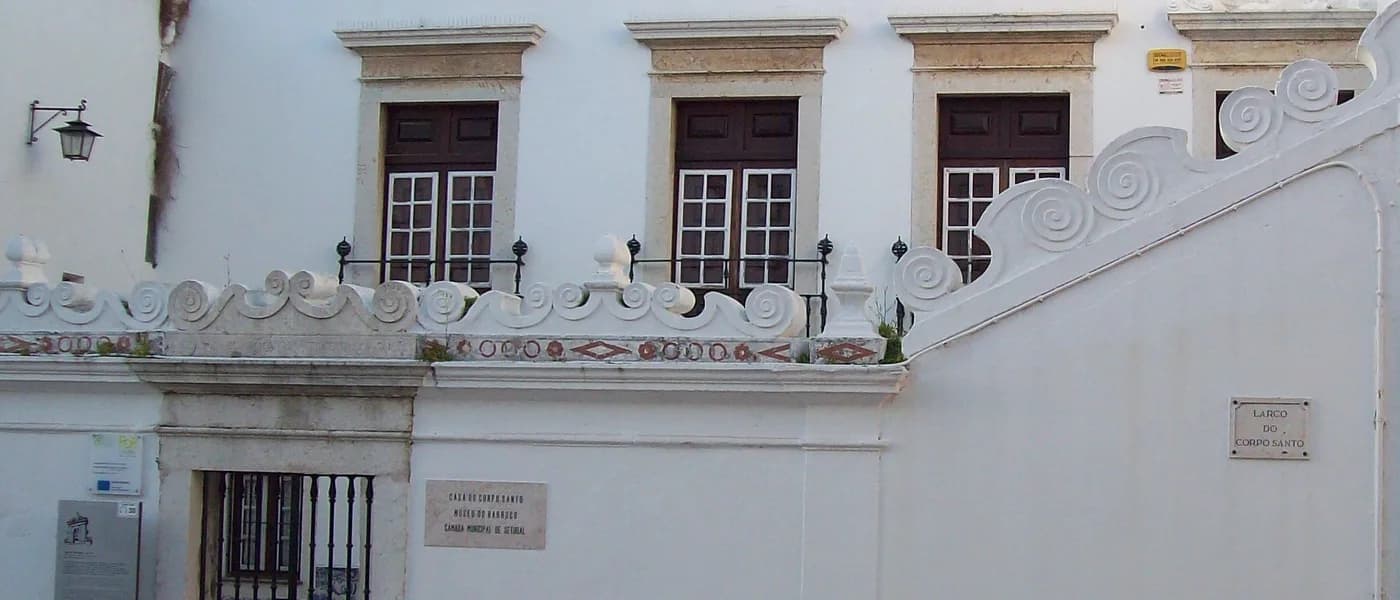
Two ogival arch portals on the façade tell you everything about the building's origins before you step inside. This is where the seafarers of Setúbal gathered, handled their dead and cared for their sick, in a brotherhood founded in the fifteenth century for those who lived and died in the Sado estuary.
The Casa do Corpo Santo was the headquarters of the Irmandade do Corpo Santo, a brotherhood exclusive to men of the sea. The building functioned simultaneously as a place of worship, a hospital and a mortuary chamber, all within the same Gothic walls. That overlap of functions is what makes it different from any other chapel in the city.
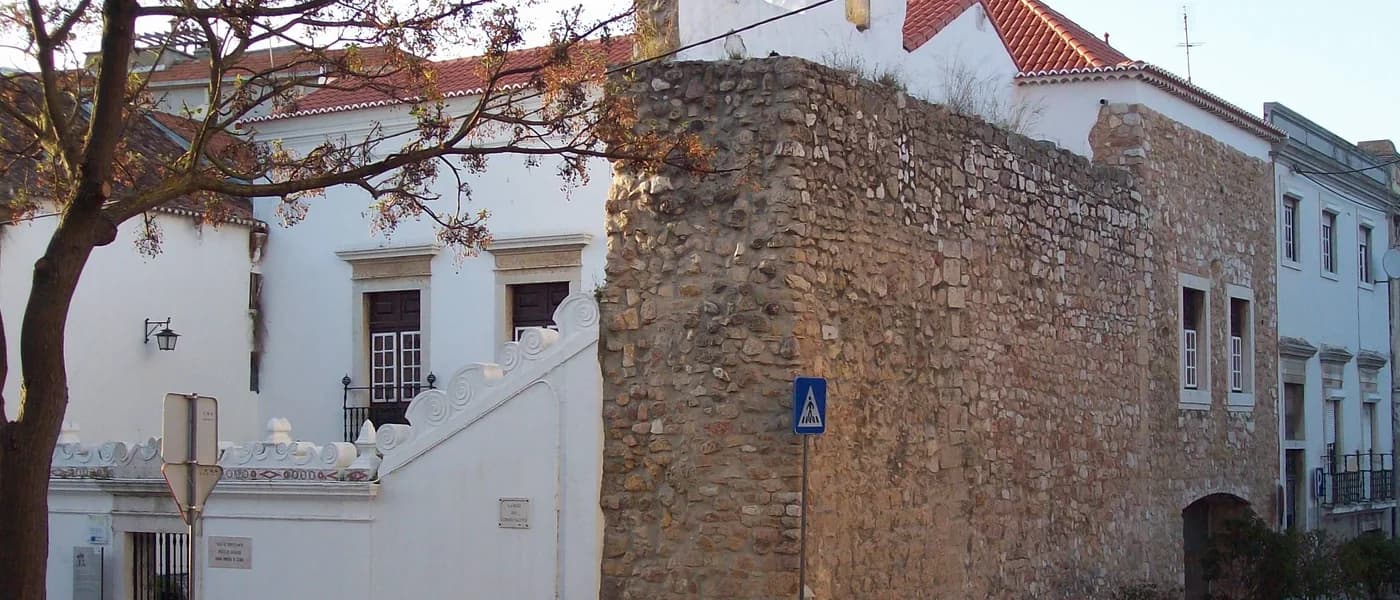
The museum space that now occupies the building keeps its focus on that connection to the sea and to the urban history of Setúbal. The architecture is as much part of the visit as what's on display: the worked stone of the façade survived centuries in a city that the 1755 earthquake didn't entirely spare.
Heading out into the old centre of Setúbal, with the Sado just steps away, makes sense alongside what you've just seen.
what you'll find
- Gothic façade with two intact ogival portals
- collection linked to maritime history and the city
- a rare medieval building of confraternal origin in Setúbal
- small scale: a focused visit, nothing sprawling


