tide working since 1403
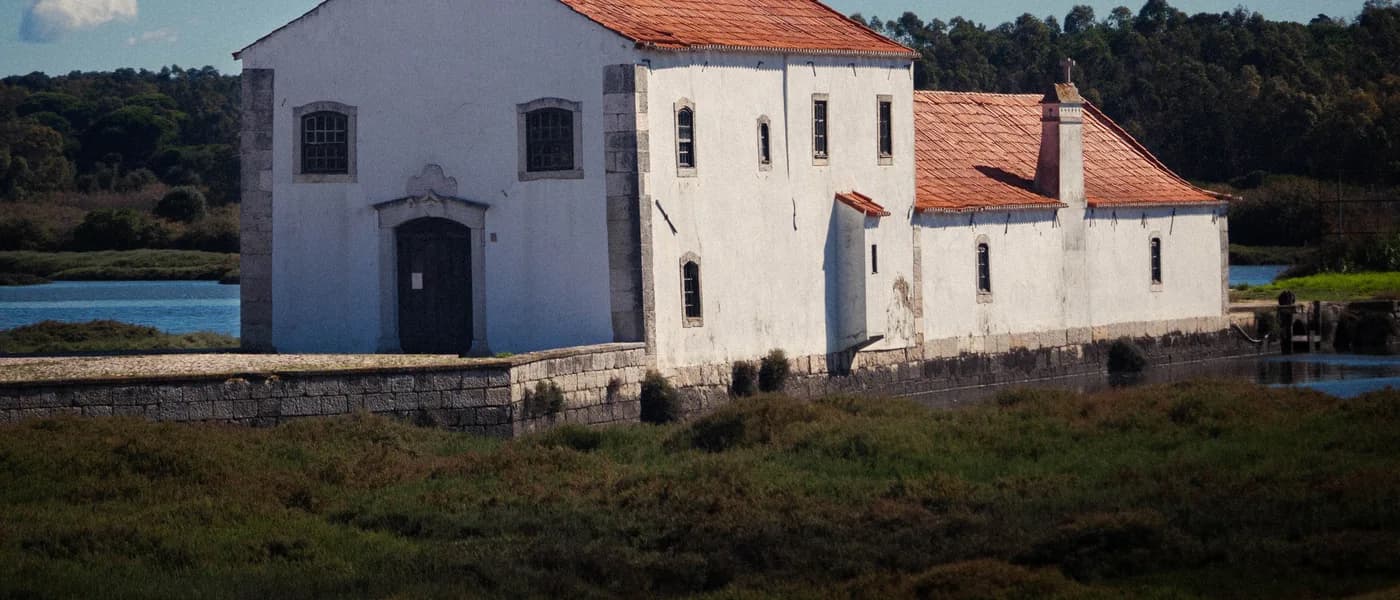
There are mills that are museums and there are mills that still grind. This is the second kind. Built on the orders of Nuno Álvares Pereira in the early fifteenth century, the Moinho de Maré de Corroios uses the Tejo estuary as its engine, exactly as it did more than six hundred years ago: the tide comes in, the water builds up, the tide goes out, the millstones turn.
The Moinho de Corroios survived the 1755 earthquake (with damage that required work in the eighteenth century), the religious orders that ran it, the Fazenda Nacional that absorbed it, a period dehusking rice in the early twentieth century. In 1980 the Câmara do Seixal bought it and restored it. Today it's part of the Ecomuseu Municipal and listed as a building of public interest.
What makes this visit different isn't the building: it's understanding that the estuary out front isn't scenery, it's fuel. The logic of the tide, the rhythm of filling and emptying, the dependence on the lunar cycle to produce flour. You see the mechanism and suddenly the relationship between the Tejo and the bread on the table makes sense in a way that no written explanation can manage.
on the estuary and the place
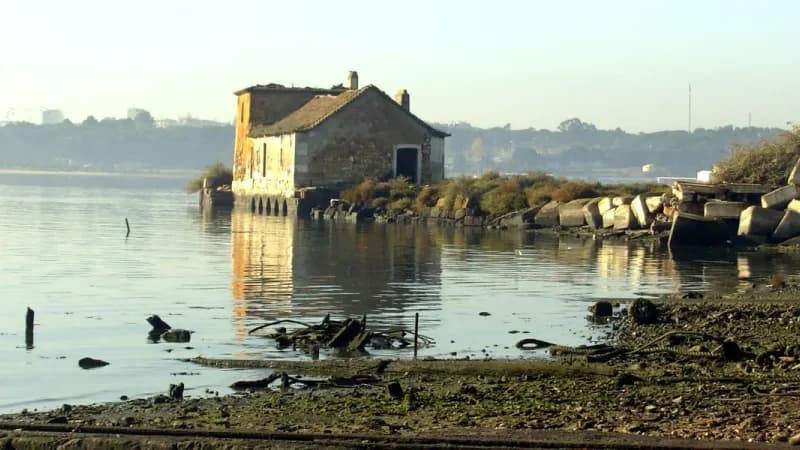
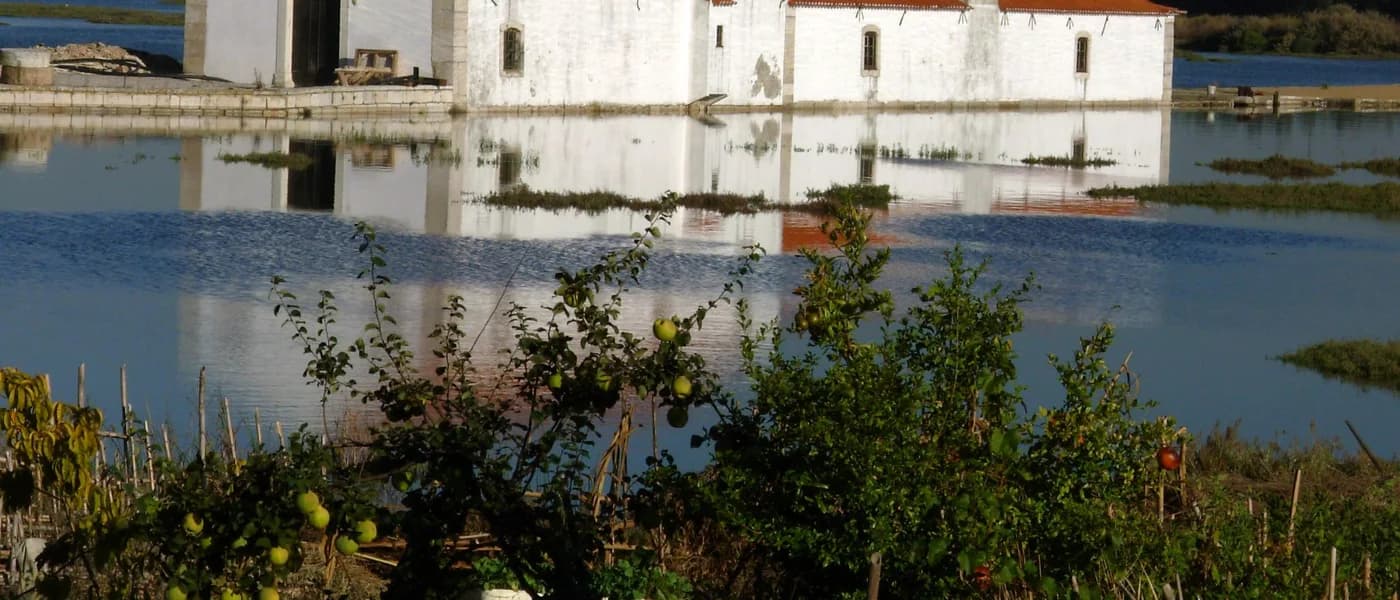
The mill sits on the edge of the baía do seixal, in a stretch where the estuary still has a human scale: not the wide Tejo of Lisboa, but a more contained arm, with salt marsh around it and the constant presence of water a few metres from the walls of the building.
The nautical context isn't decoration. The Ecomuseu do Seixal includes traditional Tejo boats, and the riverside area has a continuity between the mill, the bay and the naval nucleus. If you come just for the mill, you leave with half the story.
what you'll find
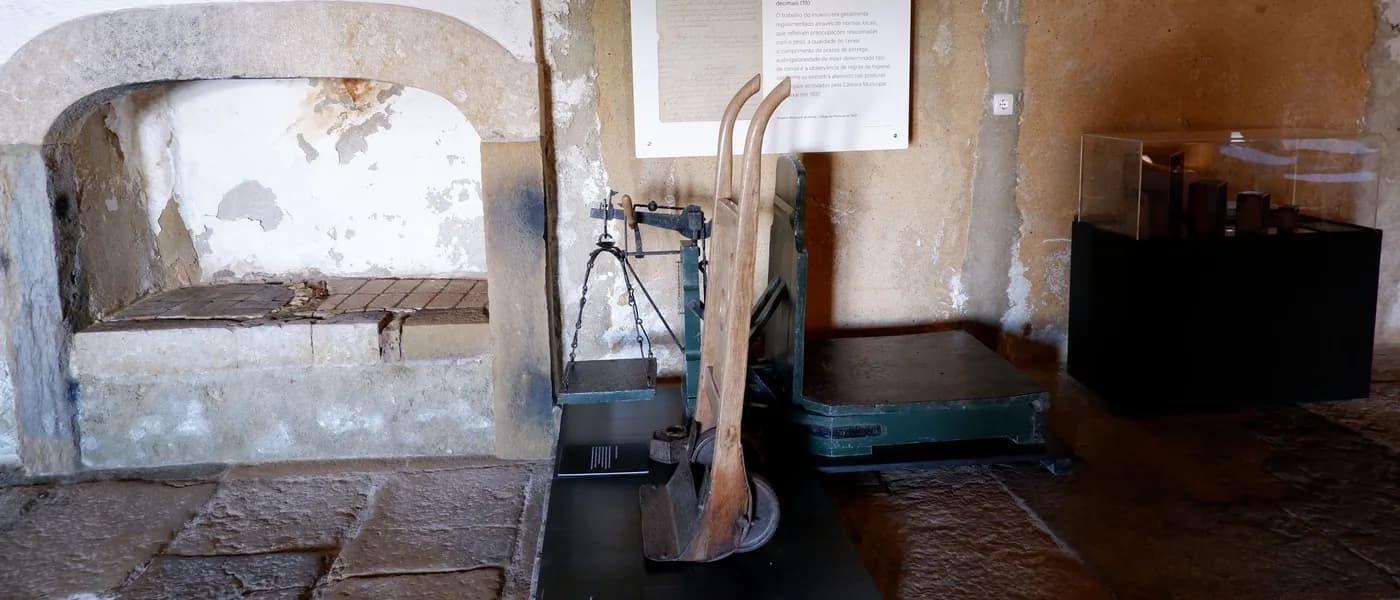
- original hydraulic machinery, still operational
- the direct relationship between tidal position and the mill's workings
- salt marsh and estuary as the immediate setting
- an ecomuseum with several nuclei tied together by water and the south bank