factory on the estuary, memory standing
Cork. That's what happened here. Mundet & C.ª was for decades one of the largest cork factories in the world, right on the edge of the Tejo estuary, in Seixal. What is now a museum was for a long time one of the biggest employers on the south bank, with hundreds of workers turning cork into stoppers, insulation, products that left here for all over the planet.
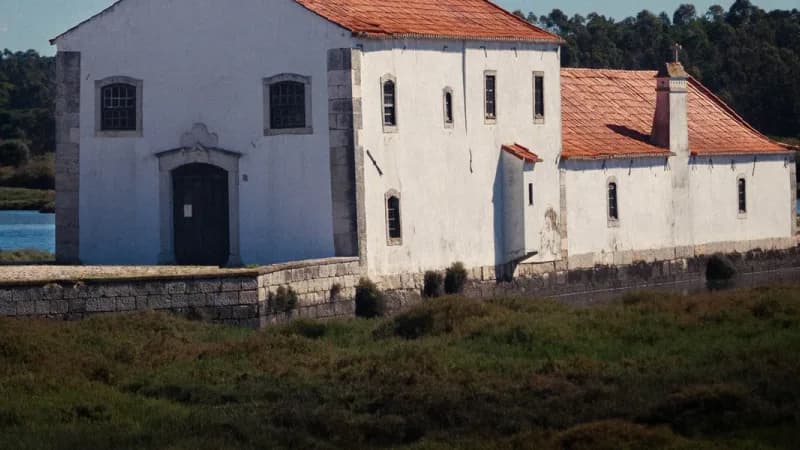
The Núcleo da Mundet preserves part of the original industrial facilities. It's not a reconstruction: these are the buildings, the machines, the records of a factory that stopped. You walk through the space and understanding what working life in Seixal was like throughout the twentieth century becomes almost inevitable, because the scale of the place speaks for itself.
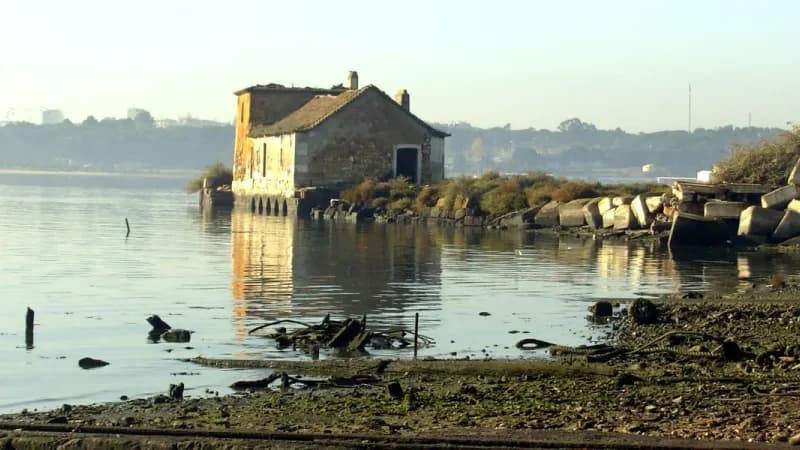
The Ecomuseu Municipal do Seixal works as a museum scattered across the territory, with several sites spread around the municipality. This one carries the most industrial weight, and it's also the one that best tells the story of the relationship between labour and the estuary. The location isn't accidental: cork arrived and left by water, and the factory was built with that logic.
Walking out of here and looking at the Tejo with that context in your head changes something in the way you read the south bank.
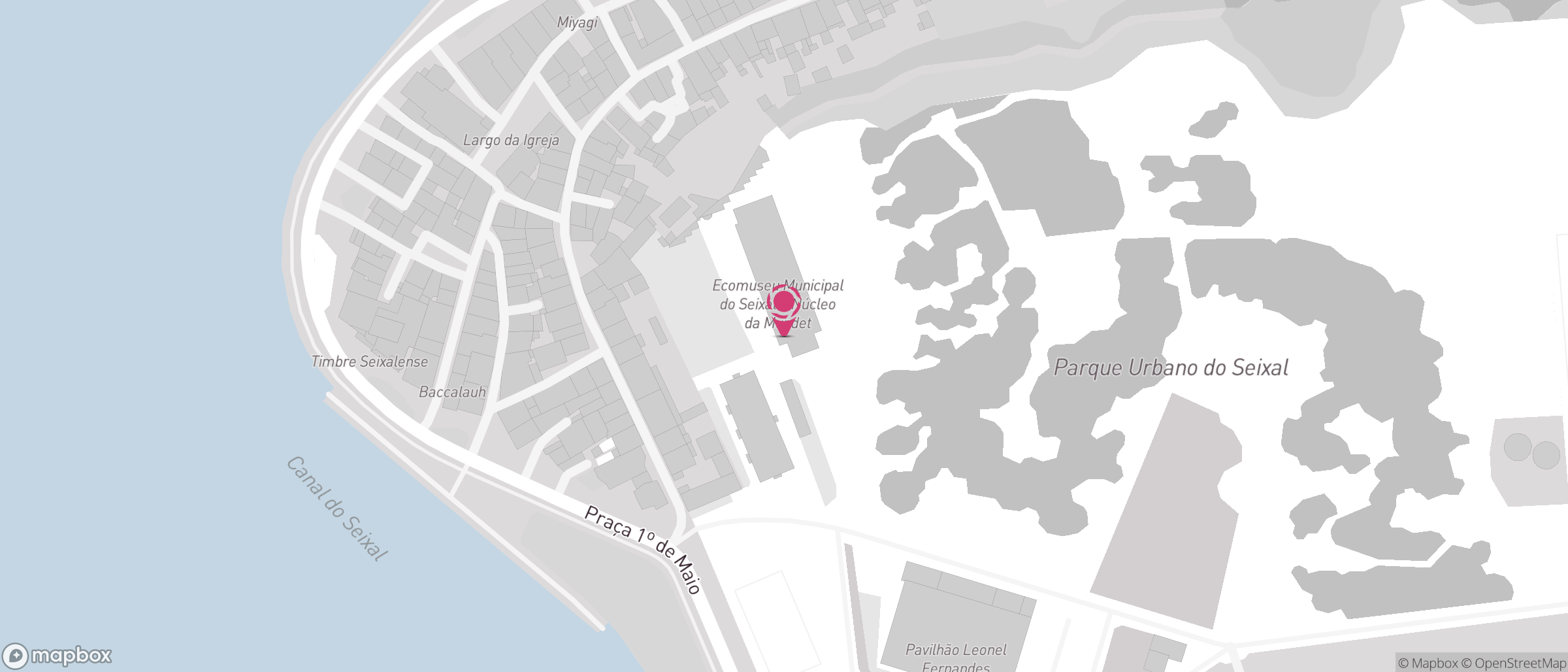
what's around you
- the baía do seixal a few minutes on foot, with the moliceiros moored up
- the ecomuseum's naval nucleus in the same riverside area
- a waterfront that tourists from lisboa rarely cross the river to see