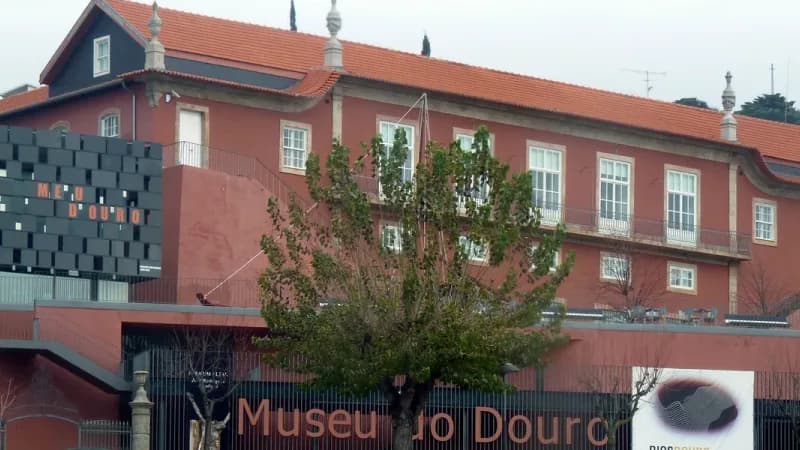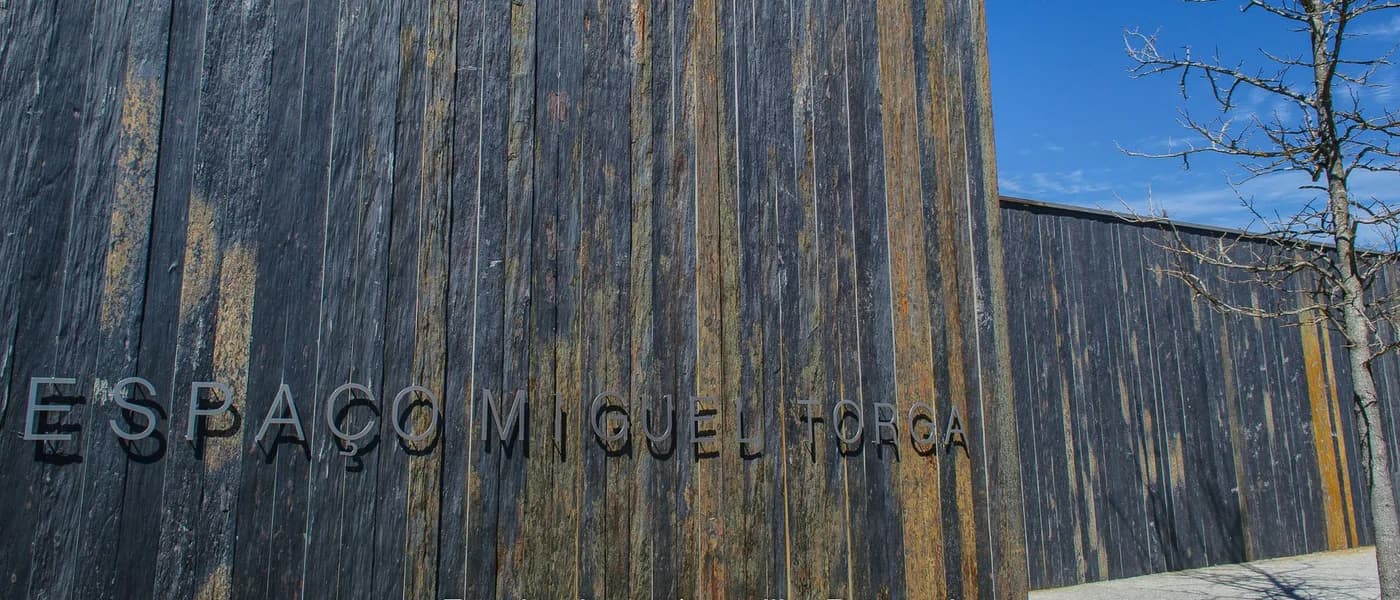
where torga kept the world before writing it down
There's a chair, a table, a window with vineyard outside. It was here, in Sabrosa, in a house in the deep Douro, that Adolfo Rocha became Miguel Torga and decided that the whole of Portugal could fit inside a diary. The house where he was born in 1907 is today the centre of everything he left written about this country.
The Casa de Miguel Torga isn't a museum of cold display cases. It's a reconstruction of presence: the personal objects, the literary estate, the documents of a life that began here in this valley before going off to study in Brazil at thirteen and coming back to never leave the Portuguese language again. The exhibition route follows the work and the biography in parallel, without separating one from the other, because in Torga they were never separate things.
From the building you see the terraces and the vineyards he described dozens of times. The Douro isn't at the front door, but it's everywhere, in the vocabulary of the landscape, in the September light coming in through the windows. You come here and you get why the Diário has the tone it has: this land doesn't invite euphemism.
the diary as central work
Torga published the Diário in sixteen volumes over fifty years, between 1941 and 1993. It isn't a private diary in the conventional sense: it's a record of thought, landscape, politics and literature written with the awareness that it would be read. The Casa gives it special attention, and rightly so, because it's probably the most singular work in 20th-century Portuguese literature in this format.
The exhibition places each phase of the writing in its historical and personal context. You see how the dictatorship, medicine (he was a doctor in Coimbra for decades), the Trás-os-Montes nature and the Iberian identity wind around each other through the volumes. It isn't required reading before you walk in, but if you already know the Diário, the visit doubles in intensity.
what you'll find
- the recovered birthplace with original holdings and biographical documentation
- particular attention to the Diário and the context of its writing
- references to Torga's relationship with Brazil, with Coimbra and with Trás-os-Montes
- Andrée Crabbé Rocha and Clara Rocha, wife and daughter, with an active role in preserving the work
- a garden with vineyard, with the same view he had