the house that kept growing around the poet
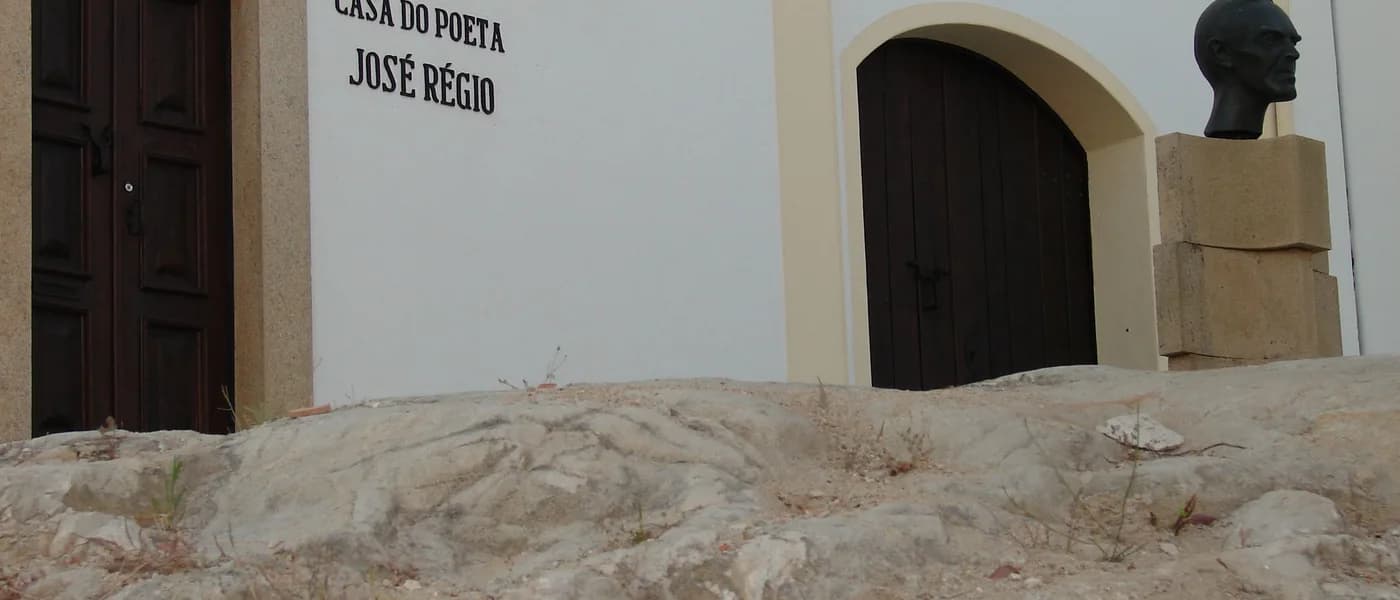
He arrived as a lodger, with a modest room in a city that wasn't his. He stayed, he took over more rooms, and when he finally left, José Régio left everything behind on one condition: that the house become a museum. The bedroom and the study remain as he left them, with the objects in their exact place, the atmosphere intact, as if he were still about to return.
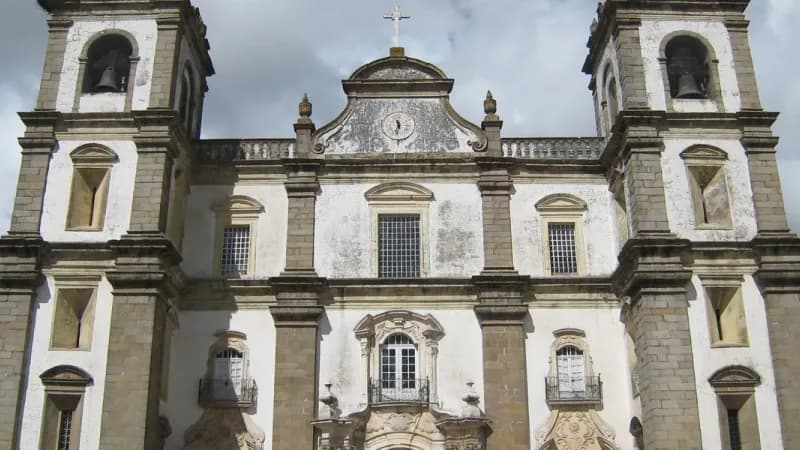
The building has centuries of stories before Régio: it was an annex of the Convento de São Brás, served as a barracks during the French invasions, worked as a guesthouse. Today the Museu José Régio occupies both floors, with 17 permanent exhibition rooms where the writer's life and the obsession that turned him into a collector mix.
That obsession is the heart of the museum. Régio bought everything the Alentejo people had to sell: wooden Christs that were part of brides' trousseaux, saints with flattened backs to rest against the wall, brightly coloured Portalegre earthenware, Coimbra plates brought by the migrant harvesters from the north who traded them for clothes before going home. There was also pastoral art, objects made of horn, cork and wood by shepherds who turned any material at hand into stamping tools, powder horns and finger guards.
There are two kitchens in the museum, each with its own inventory of objects, and a literary collection scattered through the house. It's one of those places where collecting and biography blur to such a degree that you understand the person through the things they chose to gather, in a Portalegre he made his own for 34 years.
come ready for
- a collection of wooden Christs with very different origins and shapes
- "ratinhos" plates from Coimbra with their own history behind the name
- Alentejo pastoral art in horn, cork and wood
- the poet's study just as he left it
- traces of the old chapel of the Convento de São Brás in the building