the museum that became a manifesto for a rare technique
In an 18th-century palace in the historic centre of Portalegre, there are tapestries that look like paintings. It's no illusion: the Portalegre Tapestry Manufacture, founded in 1947 by Guy Fino, developed a stitch so dense and fine that it can reproduce colour gradients with a precision that challenges any other European loom. The city was marked by it forever.
The Museu da Tapeçaria de Portalegre Guy Fino documents that path from the founding of the manufacture to the pieces produced with artists like João Hogan, Almada Negreiros and Maria Keil. It's not a generic decorative-arts museum: it's the living archive of a production school that turned a provincial city into the world centre of a specific technique.
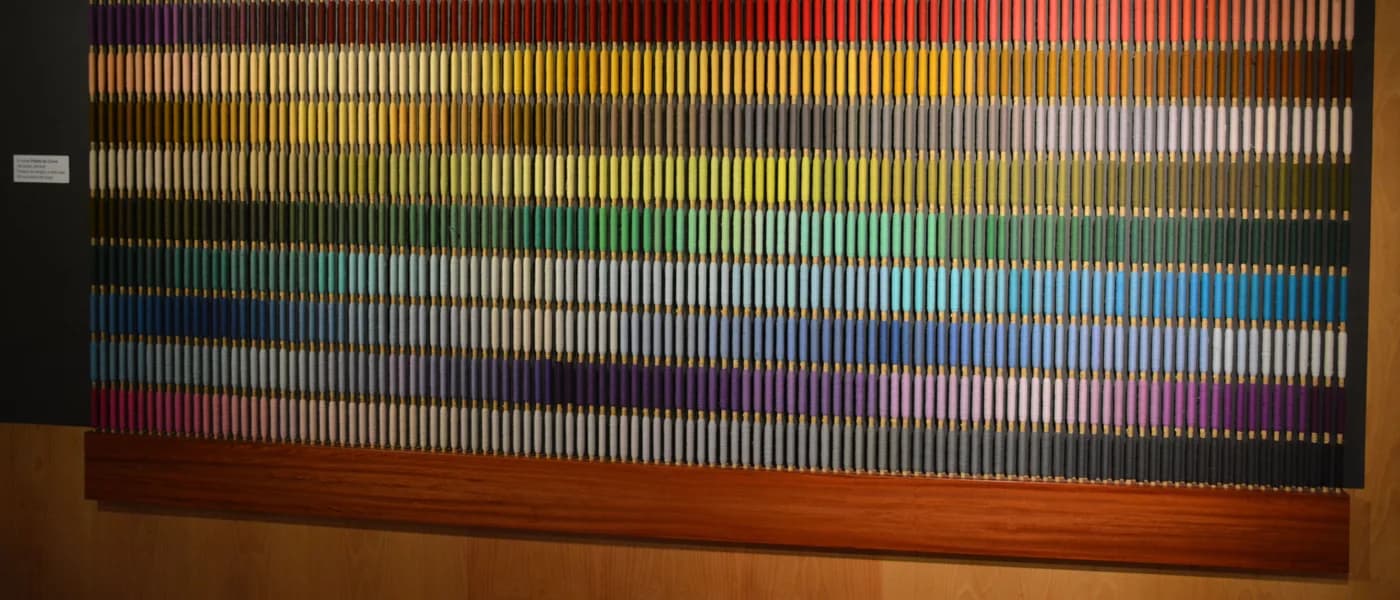
What sets Portalegre apart from Aubusson or Gobelins isn't the scale, it's the resolution. The Portalegre stitch allows up to 220 stitches per square decimetre, which puts these tapestries in a class apart. You see it in the pieces on display: where another loom would lose the detail, here the shift in tone stays sharp.
You leave the museum and the historic centre greets you with the Serra de São Mamede as a backdrop, which helps you grasp the creative isolation in which this technique was born and grew.
guy fino and the obsession with a stitch
Manuel Dias Fino, whom everyone knows as Guy Fino, started working with tapestry in Lisboa before settling the manufacture in Portalegre. The choice of city wasn't random: there was a textile tradition in the Alentejo and a workforce with the patience for the meticulous work the Portalegre stitch demands.
For decades, the manufacture worked systematically with Portuguese visual artists, turning works on paper and canvas into tapestry. That process of translation, from two-dimensional to textile without losing the original artist's intention, is the core of what the museum shows and explains.
what you'll find
- original tapestries with collaborations by 20th-century Portuguese artists
- samples of the Portalegre stitch in different densities
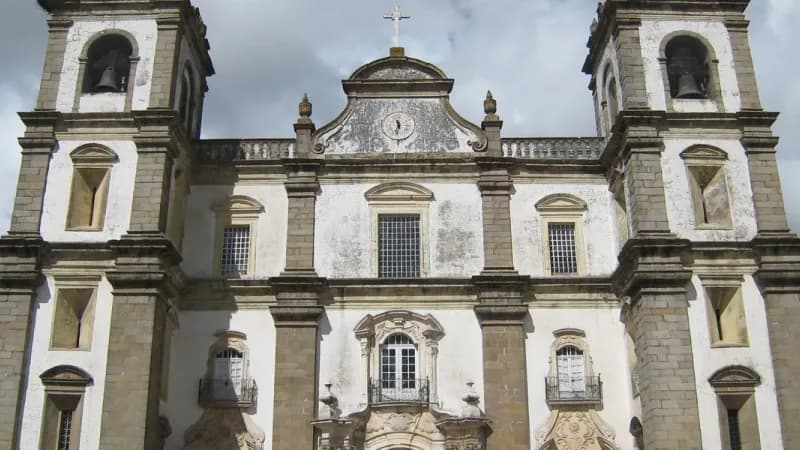
- the building itself: an 18th-century palace with an inner courtyard
- context on the manufacture still working in the city