memory of those who stayed and those who fled
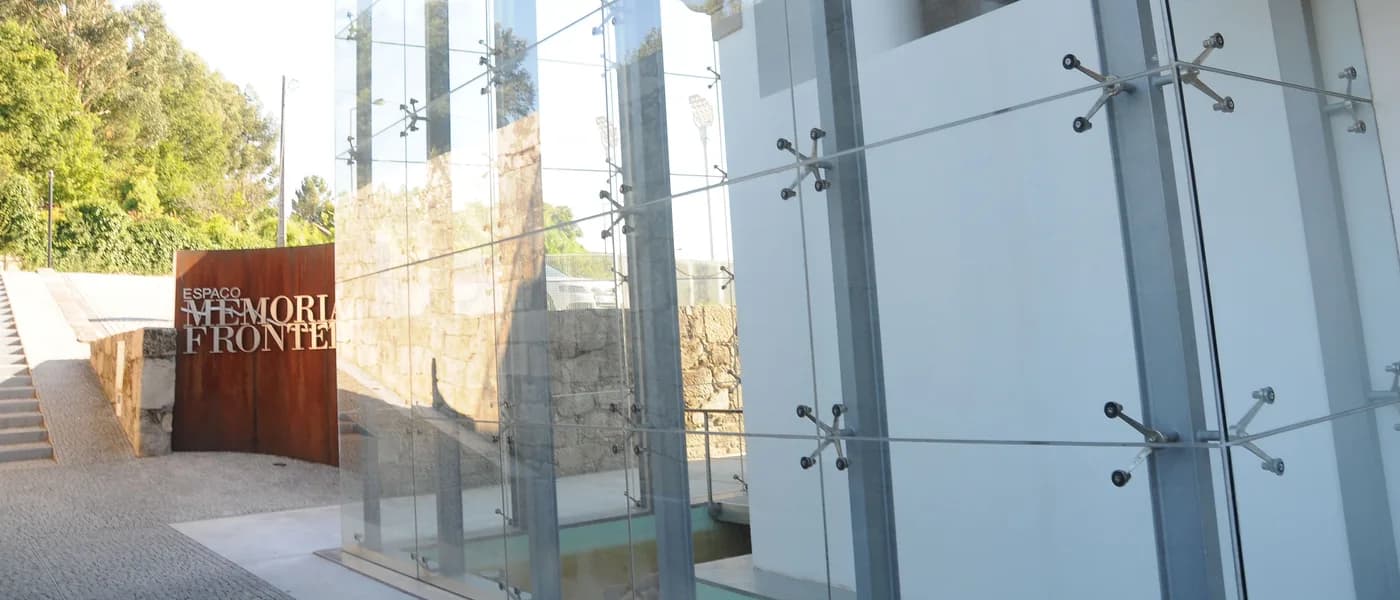
A converted municipal slaughterhouse is already a loaded starting point. The Espaço Memória e Fronteira occupies exactly that building, remodelled to hold stories that Melgaço knows too well to romanticise: smuggling as livelihood and emigration as escape.
The Minho river runs right alongside, and for decades it was far more than landscape. It was the border to cross, at night, often by swimming or in a small boat. One of those boats is on display, alongside stamped and rejected passports, bundles of tobacco, coffee and tungsten, and the contraptions families invented to hide goods under their clothes. These aren't theatrical reconstructions: they're the actual objects, with the marks of use on them.
The route combines audio recordings, letters, photographs and documents that reconstruct the whole process: the circumstances that forced families to choose between smuggling and poverty, the decision to leave "at a jump", the arrival in a country that often wasn't expecting anyone. The research was done with the Universidade do Minho, and you feel it: there's rigour in the sources, not just staged emotion.
You leave understanding Melgaço differently. The old houses, the almost empty villages, the silence that still hangs over the municipality today have an explanation that this space gives without sparing the details.
come prepared for
- the original boat used to cross the Minho clandestinely
- rejected passports and real documentation from the crossings
- handmade hiding places for goods, sewn into clothing or camouflaged in vegetation
- audio recordings with testimonies from those who lived this