where the mountain keeps the memory of those who lived between two worlds
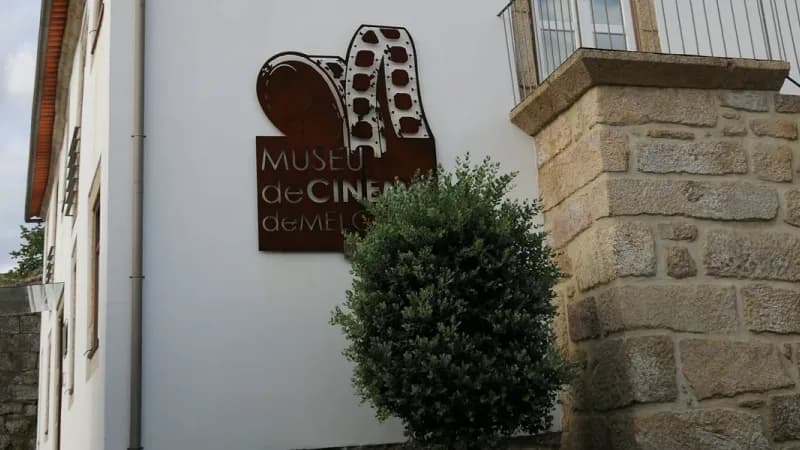
The building that receives you already tells a story before you go in: it was a chocolate factory, in Caravelos, before becoming the space that now houses the Núcleo Museológico de Castro Laboreiro. The conversion is part of the character of the place, that capacity to make things last that elsewhere get torn down.
The museum centres on a practice that for centuries defined life on this plateau: transhumance between the Brandas (the summer settlements, at higher altitudes) and the Inverneiras (the winter shelters, at lower elevations). Castro Laboreiro wasn't a static land, it was a land that moved in two seasons, and the museum explains that rhythm with documentation, objects and films about castrejo traditions. In the adjoining house, a typically castrejo construction, the interior is set up as a domestic space from the second half of the 20th century, without excess staging.
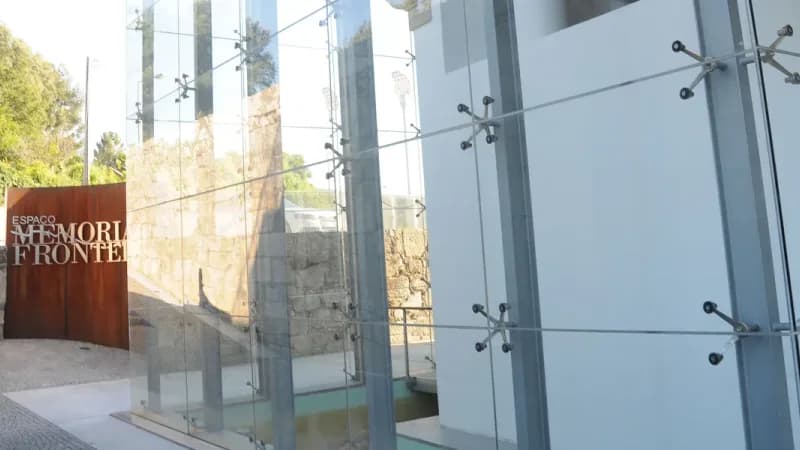
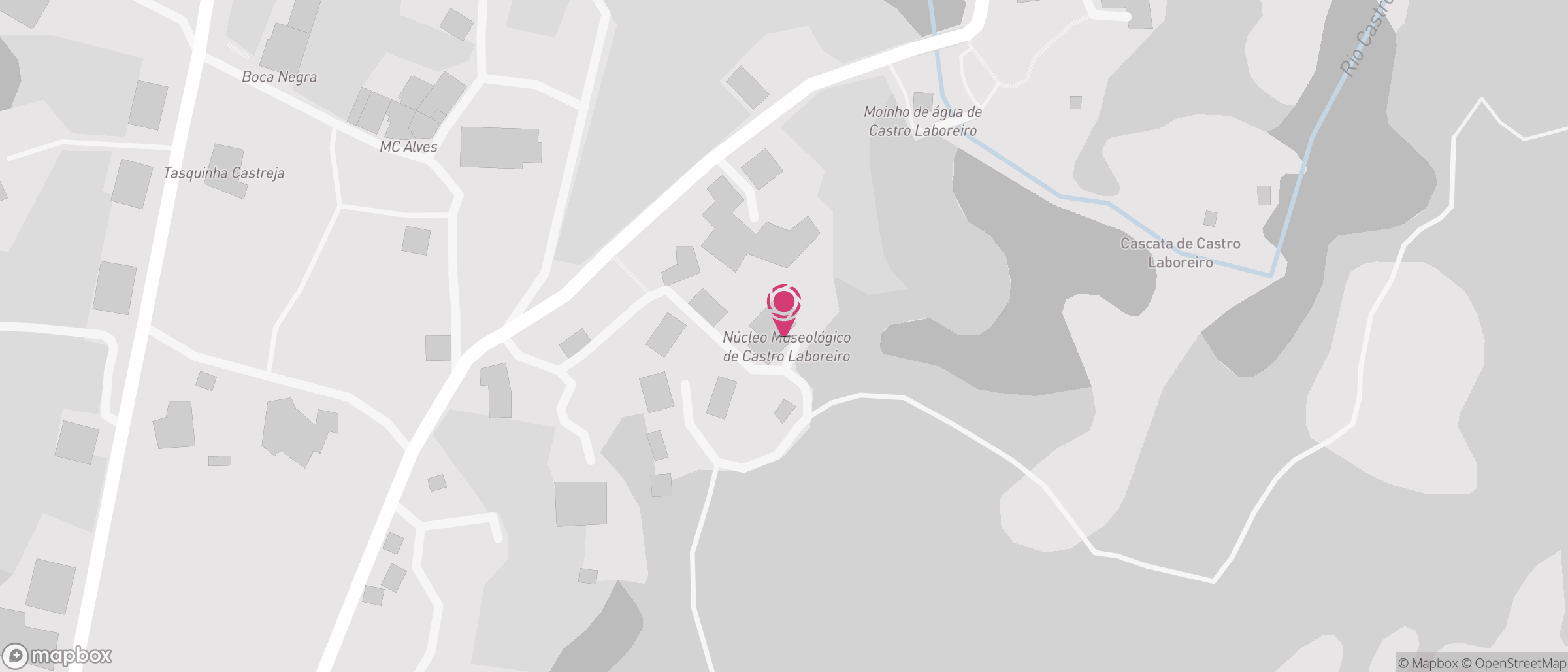
Outside, the context is as relevant as what's inside. You're in one of the most isolated and highest inhabited territories in the country, inside the Parque Nacional da Peneda-Gerês, with fewer than 6 inhabitants per km². The Castro Laboreiro plateau you see through the windows isn't background scenery: it's exactly the territory the museum is trying to explain.
between the brandas and the inverneiras
The castrejo transhumance had a precise logic: the same inhabitants, two houses, two seasonal worlds within the same parish. It wasn't poverty or improvisation, it was a sophisticated organisation of the territory that lasted centuries and shaped local architecture, the form of the villages and even the dog breed that carries this plateau's name.
The museum preserves the documentation centre on this system, and the upper floor has films showing what it was like, with period footage. It's one of the few places in Portugal where this way of life is recorded in this detail and with this visible geographic context all around.
what you'll find
- a collection on life between Brandas and Inverneiras, with the real geographic context around it
- an adjoining castrejo house with a reconstructed domestic interior from the 20th century
- films and a documentation centre on local traditions
- a plateau at over a thousand metres of altitude right outside the door