it came back out of stubbornness, not planning
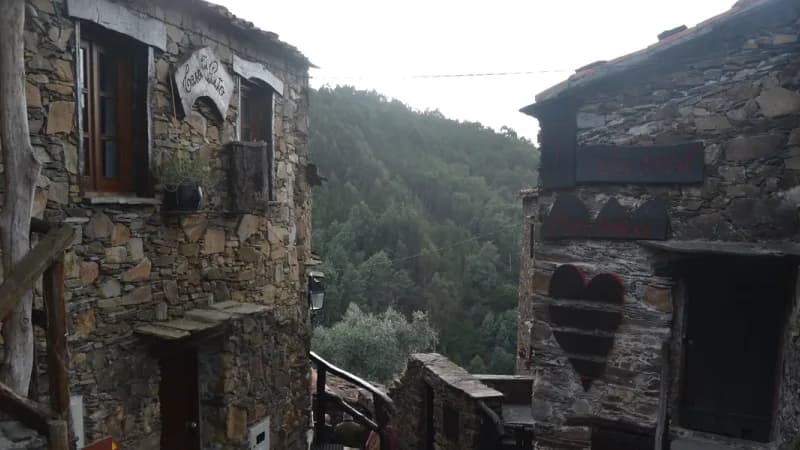
In 1988, Kerstin Thomas was a young German artist studying in Coimbra, walking the Serra da Lousã with friends when she stumbled on an uninhabited schist village. Military maps still showed residents; what she found were ruins. No road, no running water, no electricity. She was looking for a studio space and everything she needed was there: chestnut trees all around, schist walls waiting. She stayed. She went asking the owners for houses, restoring them one at a time with traditional techniques. Others followed.
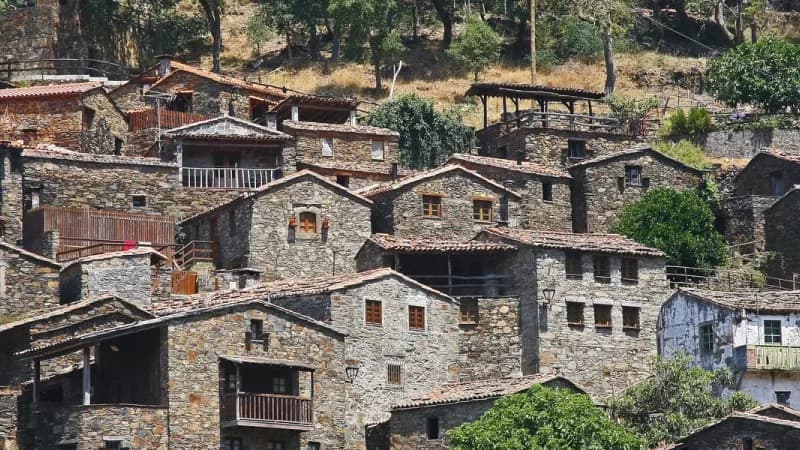
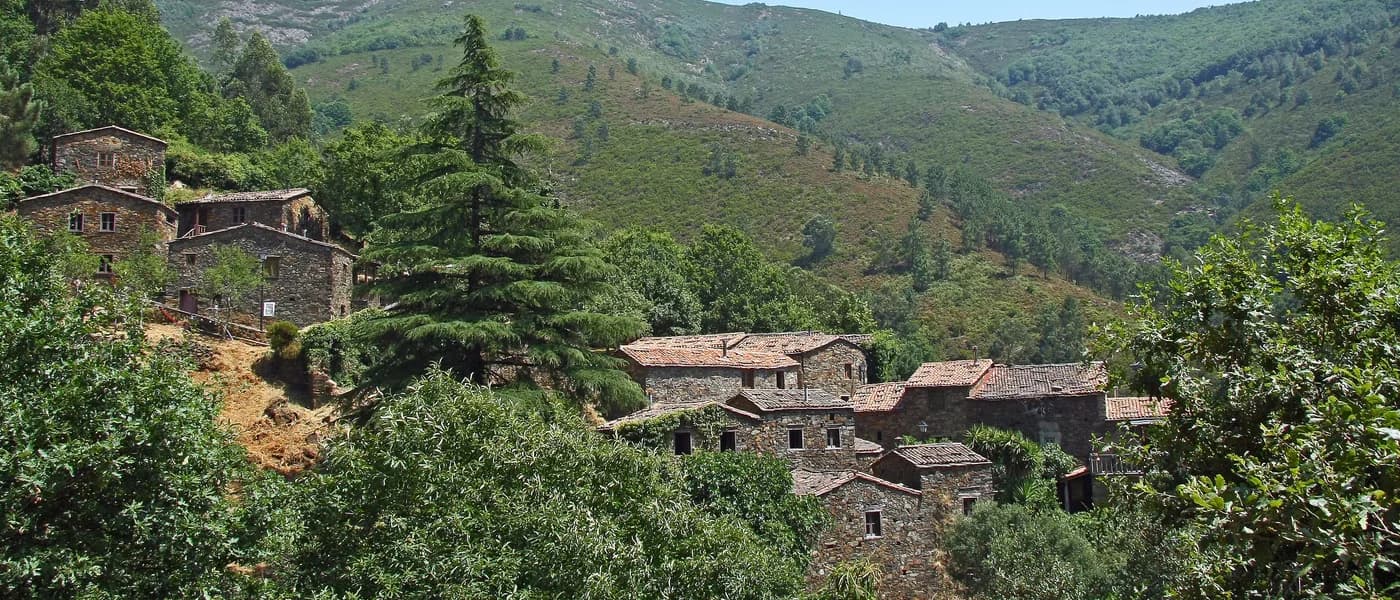
What you see today grew from that. It's the smallest of the schist villages in the Lousã and the only one where the central axis isn't tourist rentals but artistic work. From Cerdeira came the Elementos à Solta festival, in 2006, and later the Cerdeira - Home for Creativity project, with residencies, workshops and training in various crafts. It feels different from the other schist villages in the serra: here, art is what holds the village up.
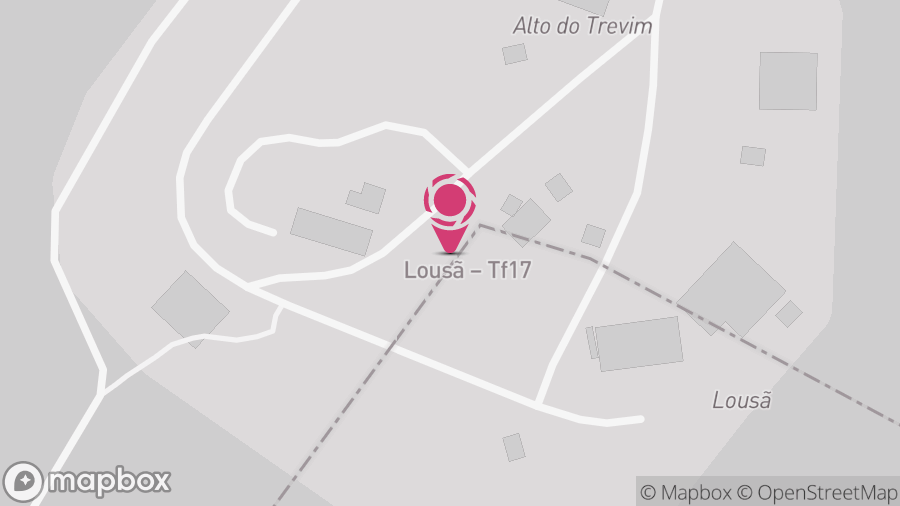
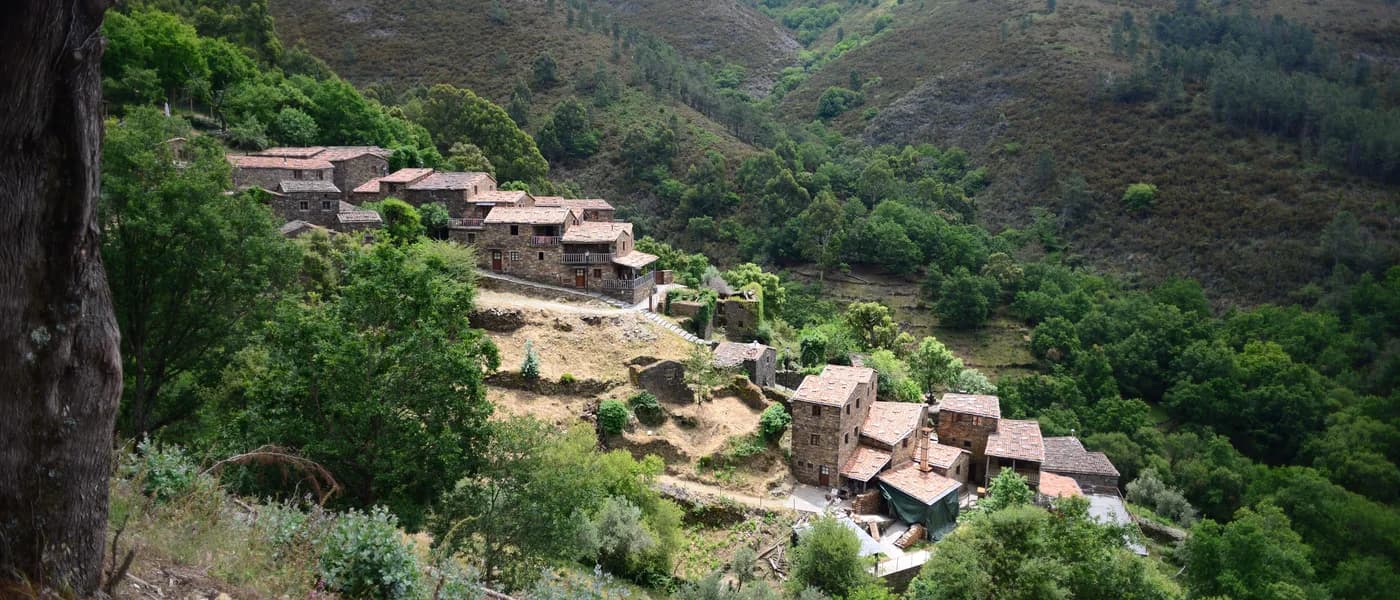
The path from the main road is narrow and short. You park at the top and walk down. The houses sit on a rocky spur, facing south and west; at the bottom of the village the Ribeira da Cerdeira runs through, and the whole thing takes the shape of an amphitheatre leaning into the rock. In July, for a few days, there's Elementos à Solta, and the whole village becomes an open-air gallery. The rest of the time it asks for quiet. You don't go to Cerdeira for a quick visit: you either stay, or you pass through and look.
good to know
- the village was restored by hand, house by house, with traditional schist techniques
- the Escola de Artes e Ofícios is the heart of the project
- park at the top and walk down; you can't drive to the door
- the Elementos à Solta festival happens in July