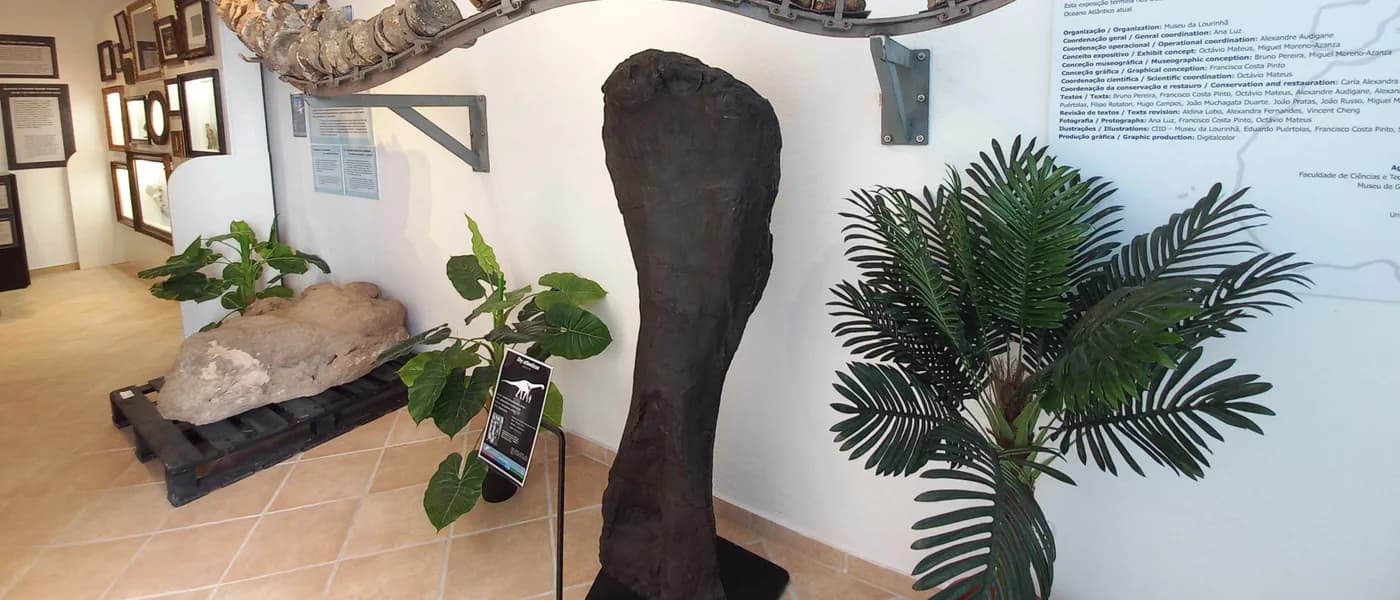
the dinosaur museum lourinhã didn't expect to have
150 million years ago, what is today Lourinhã was a coastal plain inhabited by some of the largest predators that ever walked Europe. That story stayed buried in the clay of the western coast cliffs, and kept surfacing in pieces, fossil by fossil, from the 80s onwards.
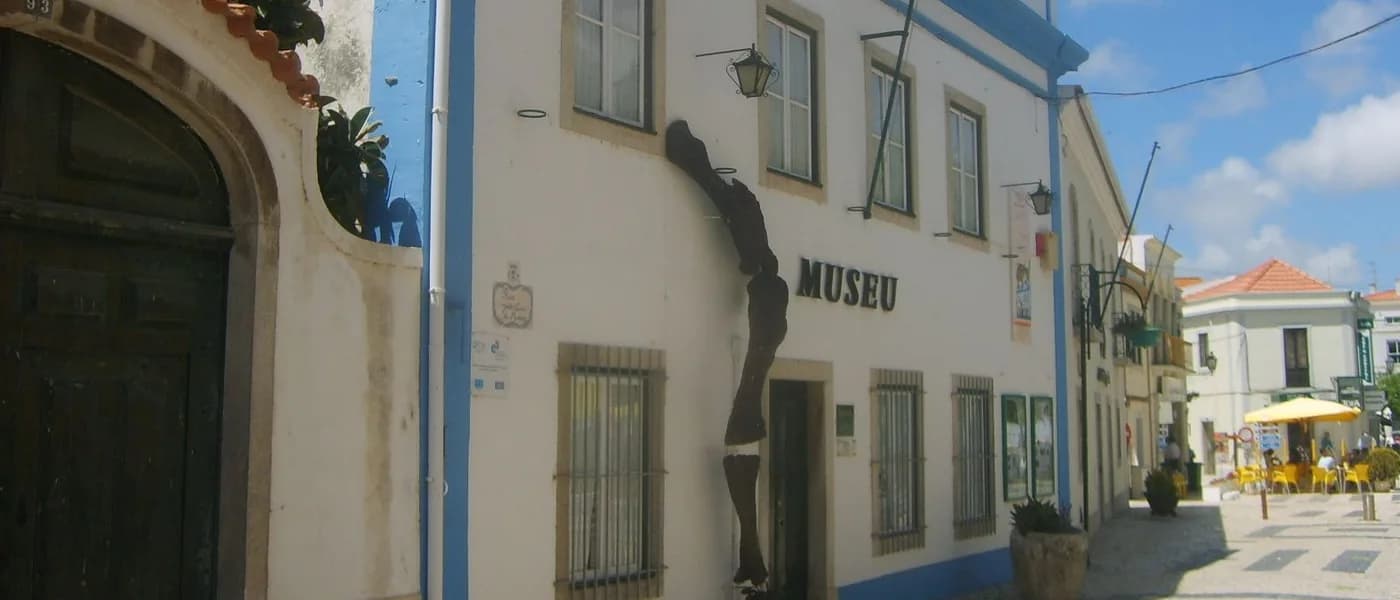
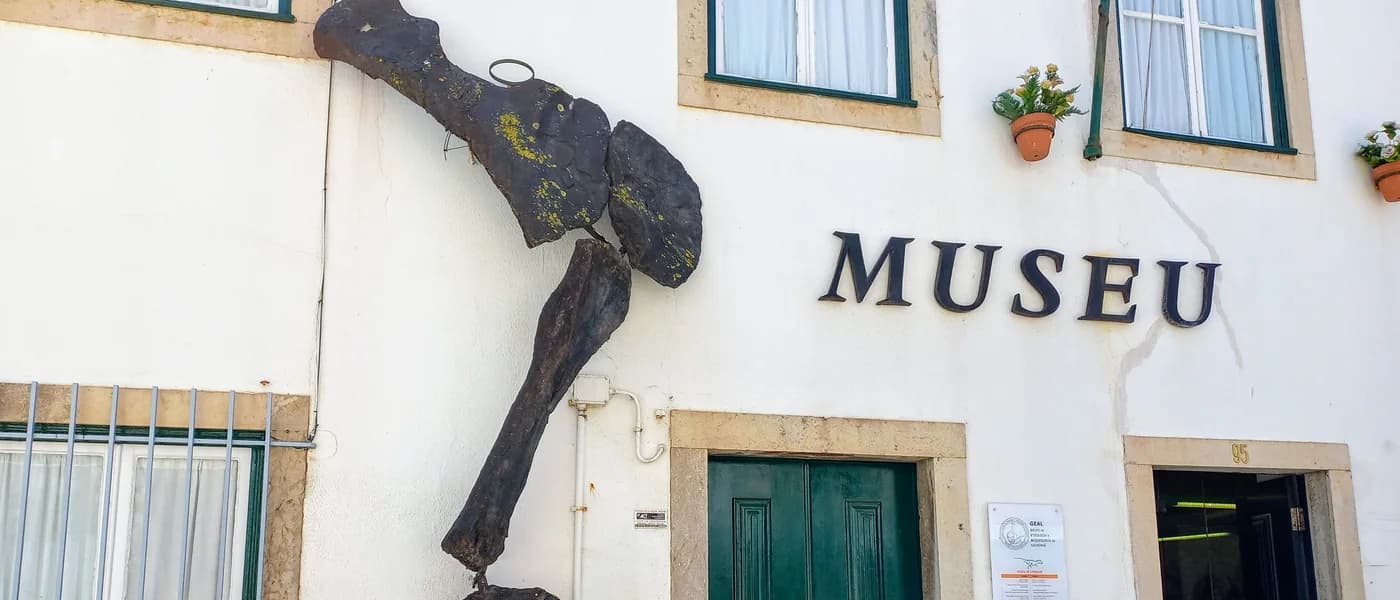
The Museu da Lourinhã holds the largest Iberian collection of Late Jurassic fossils and one of the most important in the world. It isn't a State institution or a project with easy funding: it was born out of a group of local citizens, the GEAL, founded by Isabel and Horácio Mateus, and is still run by people from the town. You can tell in the way the place works, close, direct, without the cold distance of a national museum.
What you have here doesn't exist anywhere else. The fossilised eggs on display contain the oldest known dinosaur embryos in the world. The second-largest nest ever identified, with more than a hundred eggs, was found in this region. And ten holotypes of species described for the first time by science are physically here, including Torvosaurus gurneyi, the largest land predator of the European Jurassic.
You come to Lourinhã and you get that the cliffs you can see a few kilometres away aren't just landscape: they're the place where these things were dug up, and there's still more inside them.
ten species, all from here
A holotype is the original specimen from which a species is described by science. It's, literally, the proof that the animal existed. The museum has ten. Among them are Dinheirosaurus lourinhanensis, a long-necked sauropod, Miragaia longicollum, with the longest neck of any known stegosaur, and Allosaurus europaeus, the European cousin of the North American predator.
Research didn't stop with the museum's founding. The Isabel Mateus laboratory is still active, and the fossils that come in from fieldwork campaigns in the region pass through there before reaching the display cases. It isn't a static archive: it's a museum where scientific work happens alongside what the public sees.
what you'll find
- holotypes of ten species described by science, all of local provenance
- the oldest dinosaur embryos in the world, inside fossilised eggs
- a museum run by a local association, without the bureaucracy of the big institutions
- an active laboratory and school visits with their own programme
- a Jurassic garden outside the building