under the village is the whole roman city
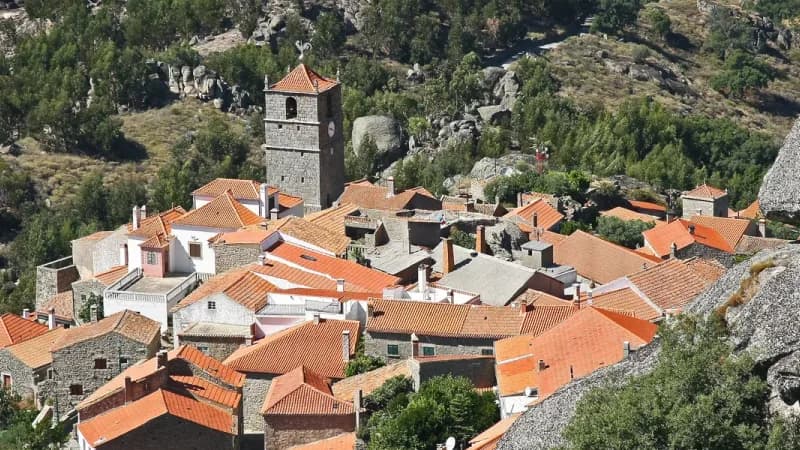
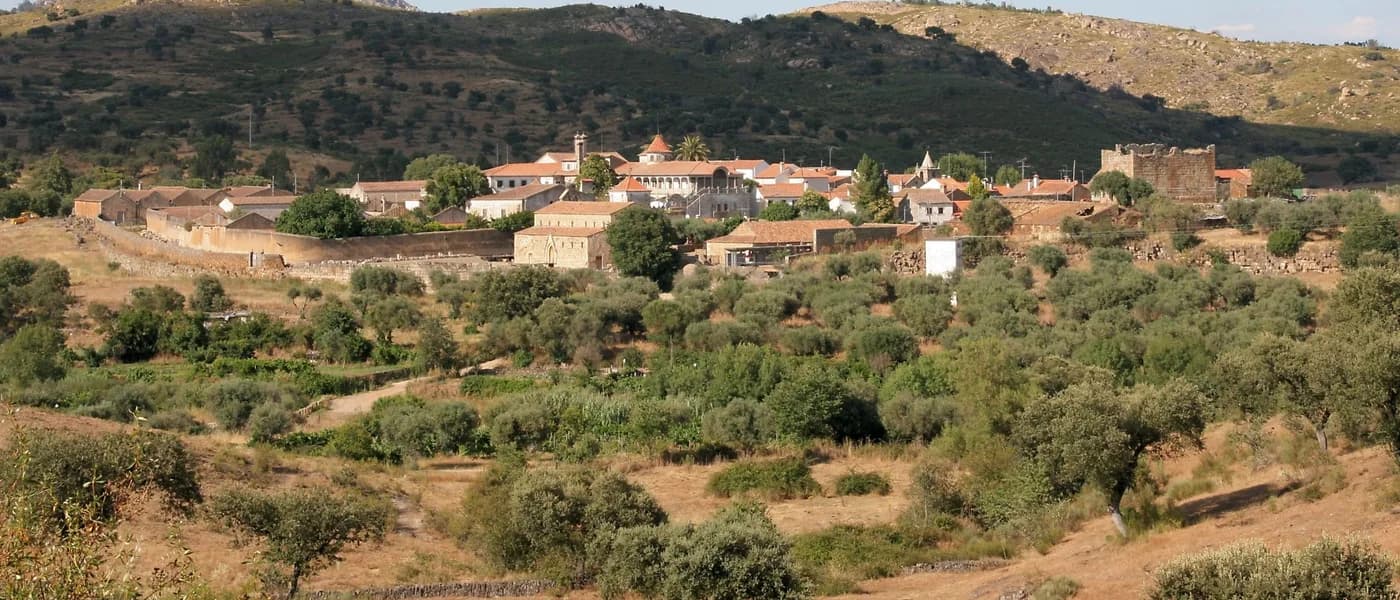
Beneath the houses lies the Civitas Igaeditanorum, a Roman city founded at the end of the first century BC and raised to municipium by the Flavians. Idanha-a-Velha is today a small village, fitted into a bend of the river Pônsul, and the archaeology isn't hidden: you walk down the street and stumble on funerary inscriptions set into the house walls, Roman stone blocks serving as thresholds, column capitals leaning in corners.
The central piece is the old Cathedral. It accumulates layers that few buildings in Portugal accumulate. A Paleo-Christian church with origins in the fourth or fifth century, a consolidated building from the end of the sixth century when Idanha was the seat of the bishopric of Egitânia, a mosque during the Muslim occupation, a Templar church after the Reconquista, a Manueline remodelling at the start of the sixteenth century. Today it's an exhibition space, with several dozen Roman funerary inscriptions inside. It stopped functioning as a church in the nineteenth century.
The Torre dos Templários, at the highest point, was raised over the podium of a Roman temple possibly dedicated to Venus, on the site of the old forum. That's why it's rectangular and not square: it inherited the shape of what was underneath. Climbing is quick. Up there you can see the Pônsul valley, the whole village and the logic of its placement. The late-Roman wall was reinforced by the Templars, and the fill between the stone blocks includes funerary inscriptions and architectural fragments from the imperial city, still distinguishable to the naked eye.
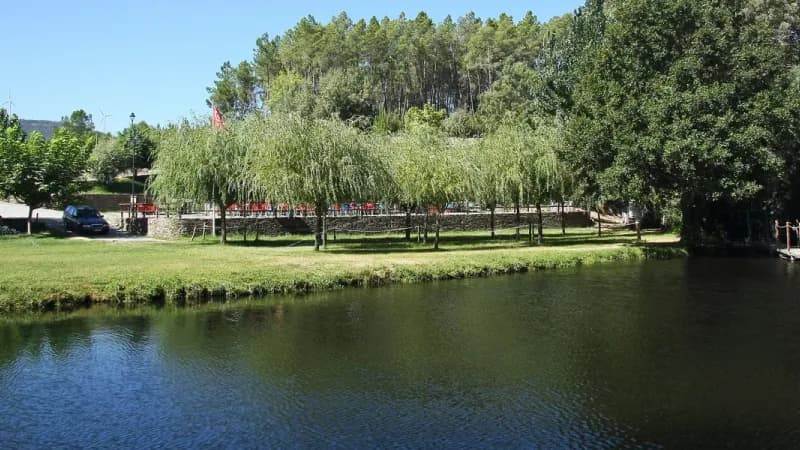
Outside the walls, by the river, are 43 poldras: stone blocks driven perpendicularly into the bed of the Pônsul, most of them reused Roman stone, that serve as a pedestrian crossing between the two banks. You don't cross them on autopilot. If you want to double the visit, Monsanto is close to the east and is the opposite of this: high, granite, dramatic. Idanha is low and still, and that's what preserved it.
good to know
- the Cathedral functions today as an exhibition space, with no religious services
- the village paving has serious irregularities, old stone mixed in with cobbles
- crossing the poldras requires balance, especially in months of high water
- there's no cluster of cafés or shops, even in the middle of the day