a seminary, a bishop and a hundred thousand years of history
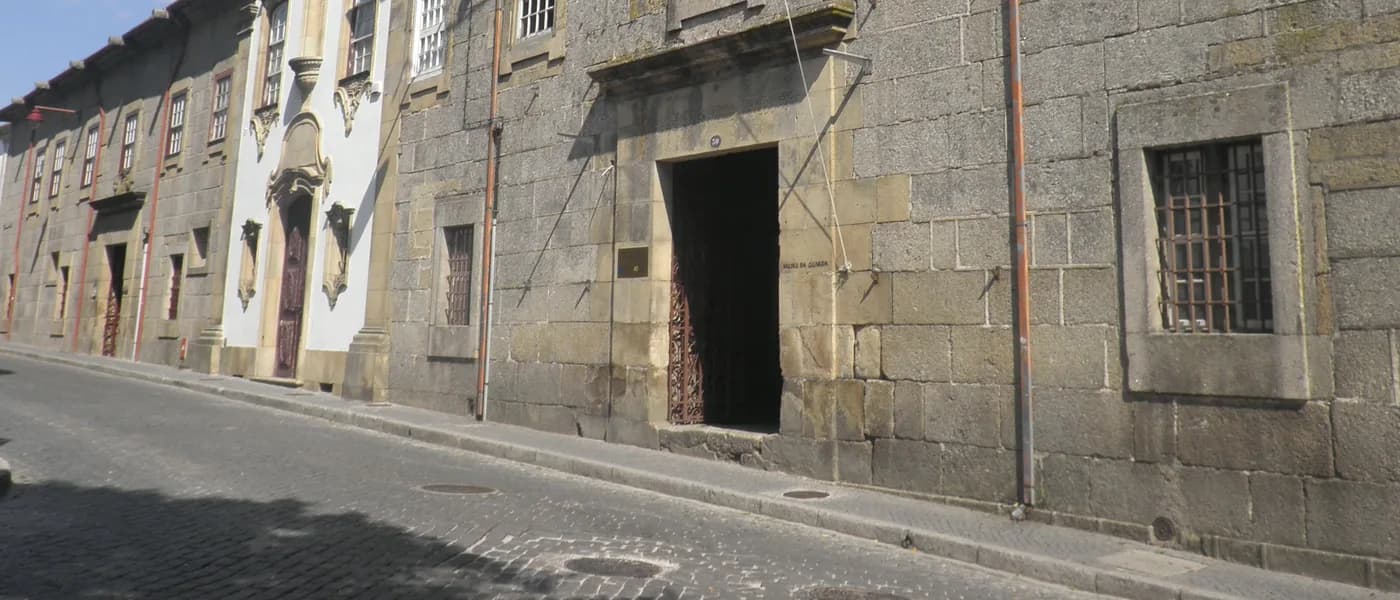
A hand axe shaped 100 thousand years ago is on display a few metres from 16th-century Manueline charters. That stretch of time is the first sign that the Museu da Guarda isn't a conventional collection. Neither is the building: the former Seminário Episcopal dates from 1601, commissioned by Bishop D. Nuno de Noronha, and part of the space used to belong to the adjacent Paço Episcopal.
Portugal's highest city has a museum to match the scale: solid, serious, with collections covering archaeology, religious art, ethnography and fine arts. Walking through the permanent display works like a condensed reading of the Beira Interior, from prehistory to the 20th century. On the first floor there's an auditorium, a gallery and a library, which turns the space into an active cultural meeting point and not just a storeroom for objects.
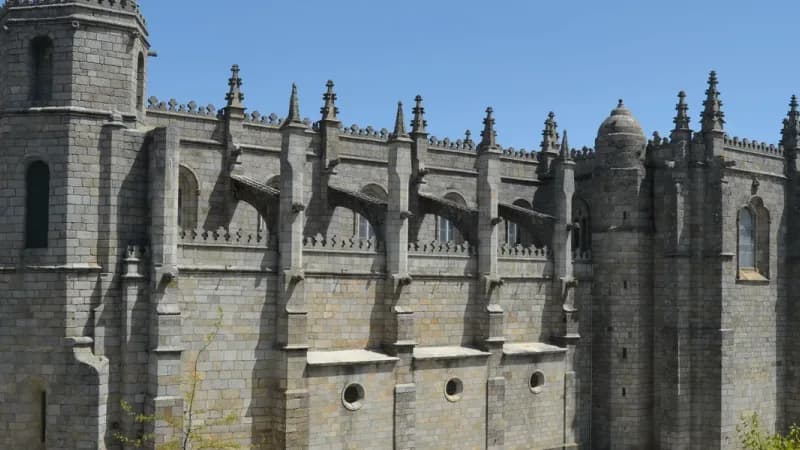
The Museu da Guarda has an administrative history almost as busy as the collection: founded in 1940 by the council, it passed under State supervision in 1985, and returned to the municipality in 2015. That back and forth says something about the weight the city gives the place. It's in the centre of Guarda, a few minutes from the Sé Catedral, and it's part of a network of literary trails that includes routes tied to Miguel de Unamuno, who lived in exile in the city.
what you'll find
- the 100 thousand-year-old hand axe, the anchor piece of the archaeological collection
- the Manueline charters of Guarda and Jarmelo, in their original support
- temporary exhibitions in the basement, with contemporary artists
- a 16th-century building with an inner courtyard that's worth the visit on its own