the museum born before Portugal wanted it
Frei Manuel do Cenáculo Villas-Boas accumulated books, coins, fossils and archaeological pieces with an obstinacy that only an archbishop with power and curiosity could sustain. It was that personal collection, gathered in the 18th century, that gave rise to the Museu Nacional Frei Manuel do Cenáculo. The institution that exists today in Évora has more than 20,000 pieces and covers painting, sculpture, archaeology, numismatics, liturgical textiles and naturalia.
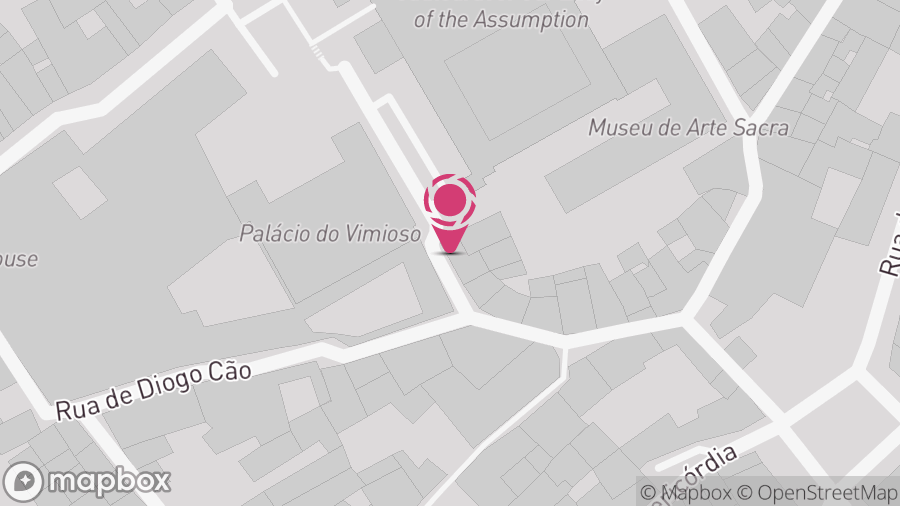
The building sits in the historic centre and has a wing that works as an annex to the Igreja do Convento das Mercês. Part of the collection came directly from the dissolution of the religious orders in 1834: the holdings of the city's convents entered here when they had nowhere else to go.
what's on the walls
The painting collection runs from the 15th to the 20th century and includes names like Josefa de Óbidos, Domingos Sequeira and Dórdio Gomes. But what stops you is the Polyptych of the Sé de Évora, thirteen oil paintings on wood attributed to the circle of Gerard David, and the Triptych of the Passion of Christ in enamel by Nardon Pénicaud. The Triptych of the Conventinho de Valverde, by Gregório Lopes, is also here. Three pieces classified as national treasures, in a museum that most of Évora's rushed visitors hurry past.
The archaeology section includes the holdings of the Anta Grande do Zambujeiro, one of the largest megalithic monuments on the Iberian Peninsula, a few kilometres from the city. Entering here with that context changes what you see in the cases.
what you'll find
- the polyptych of the cathedral: thirteen panels that travelled here when the cathedral's high altar was renovated
- tomb sculpture that came from churches and convents dissolved in the 19th century
- the numismatics collection as a reflection of Cenáculo's encyclopaedic obsession
- archaeology of Alentejo megalithism with pieces directly linked to the landscape around Évora