the palace that guards the forgotten school
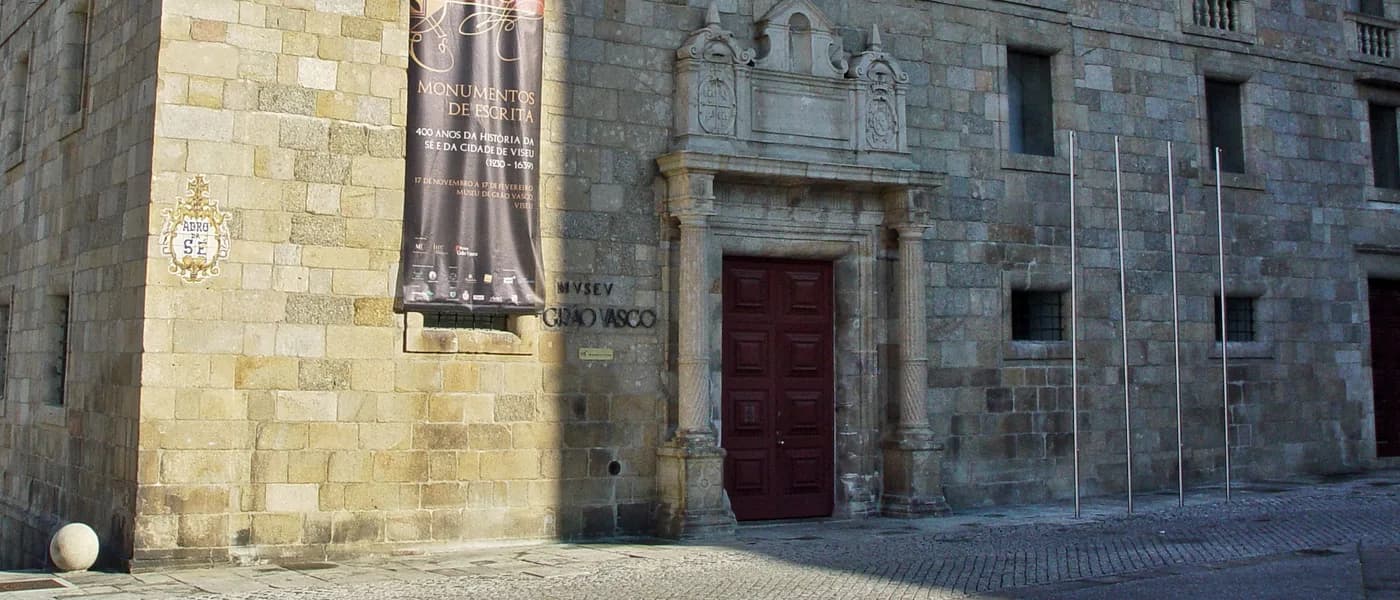
Painted in Viseu, in the 16th century, by a man whose real name still sparks debate among historians. That's how the story of the Museu Nacional Grão Vasco begins: with an uncertain identity behind an unmistakable body of work. The museum occupies the Paço dos Três Escalões, a former episcopal palace built to train clergy, not to display art. The conversion suited it.
On the third floor is the core that justifies the visit: the panels that belonged to the altarpiece of the cathedral right next door. A monumental Saint Peter, an Adoration of the Magi with Flemish influence visible in the light and the faces, and a series of fourteen scenes from the life of Christ. Grão Vasco shared the altarpiece with others from the Viseu school, including Gaspar Vaz, his great rival, represented here by a Last Supper.
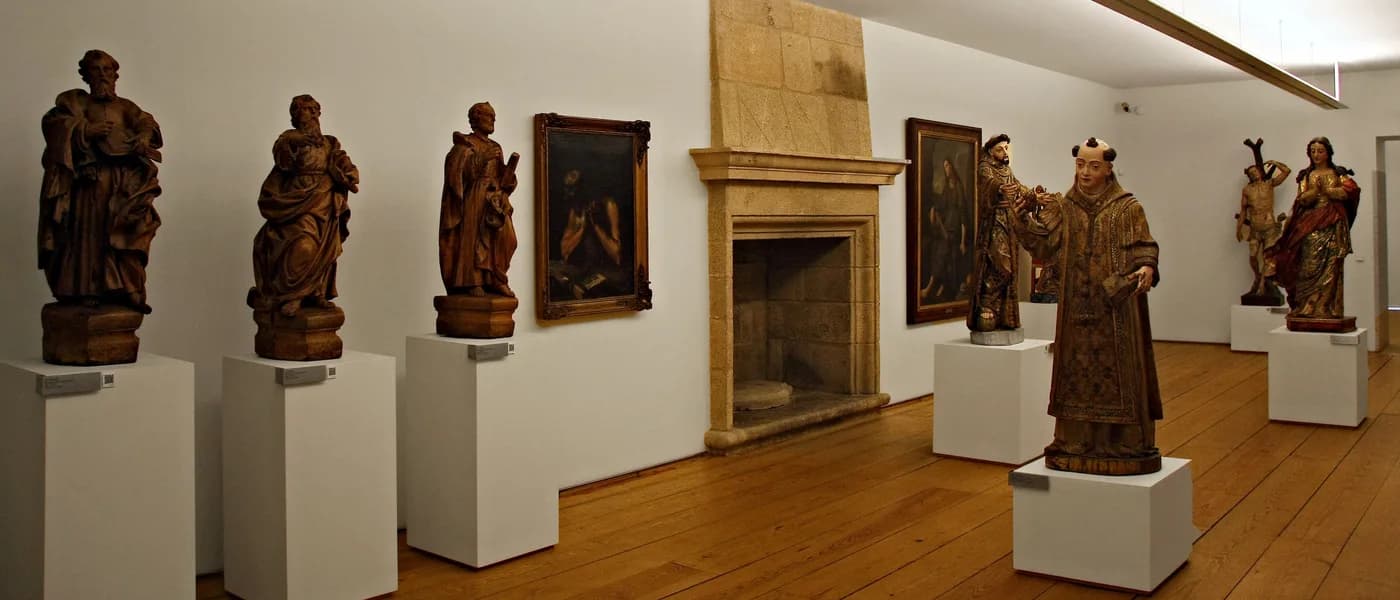
On the lower floors the collection jumps centuries without warning. Columbano Bordalo Pinheiro and other Portuguese artists of the 19th and 20th centuries appear, which turns the route into a long conversation between very different eras. There's also a portrait no one forgets: the first Baroness da Silva, painted by José de Almeida Furtado with a realism that didn't spare the beard that earned her the nickname "the Bearded Woman" among political opponents. It has a presence that cuts.
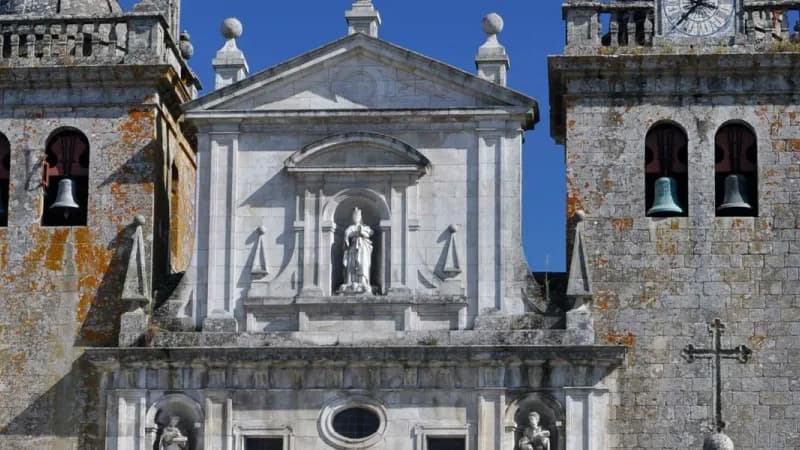
Leaving the museum and stepping straight into the cathedral square is to grasp why this collection makes sense here and nowhere else.
the school Viseu exported to the world
The Viseu school isn't an academic abstraction. It's a group of painters who shared techniques, influences and, very likely, workshops in a city that, in the 16th century, had enough political and ecclesiastical weight to attract large-scale commissions. The naturalism in the faces and the handling of light with Flemish roots are the common mark.
Grão Vasco is the biggest name, but the museum makes clear he didn't work alone or without competition. Gaspar Vaz appears here with his own work, and several of the altarpiece panels are attributed to collaborators whose names are still debated. The uncertainty of authorship, rather than dimming the interest, makes the visit more honest about how the art of this period was really produced.
what you'll find
- the cathedral altarpiece panels, separated from the altar but still a few metres from it
- the Adoration of the Magi with a Black figure identified as the explorer Fernão de Noronha, instead of the traditional magi
- the portrait of the Bearded Baroness, small and absolutely direct
- Columbano and company on the lower floors, an abrupt but welcome change of tone
- the building itself, with the plaque certifying its episcopal origin still visible