the archive of a generation that wrote against the system
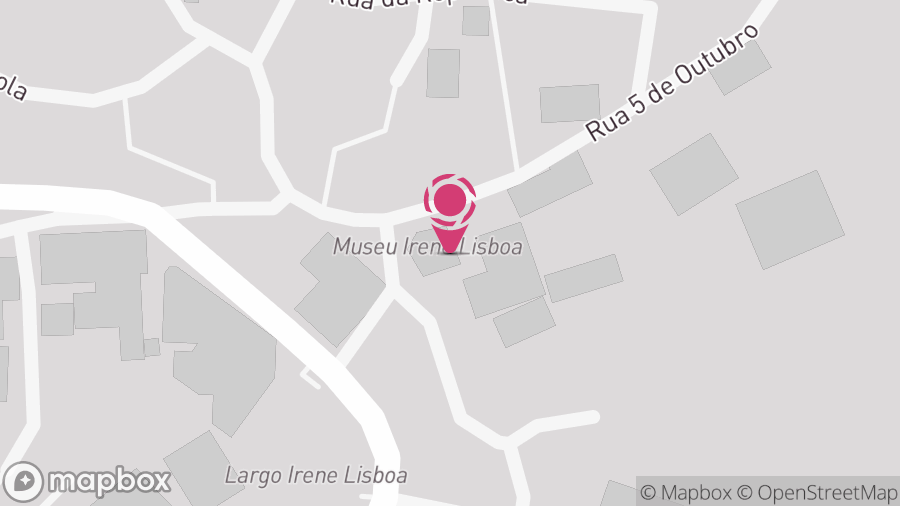
Vila Franca de Xira has a direct connection to neo-realism that isn't accidental: Alves Redol, the writer of "Gaibéus", was from here. The street where the museum stands bears his name. That local rootedness is the starting point for understanding why the Museu do Neo-Realismo exists here and not in Lisboa.
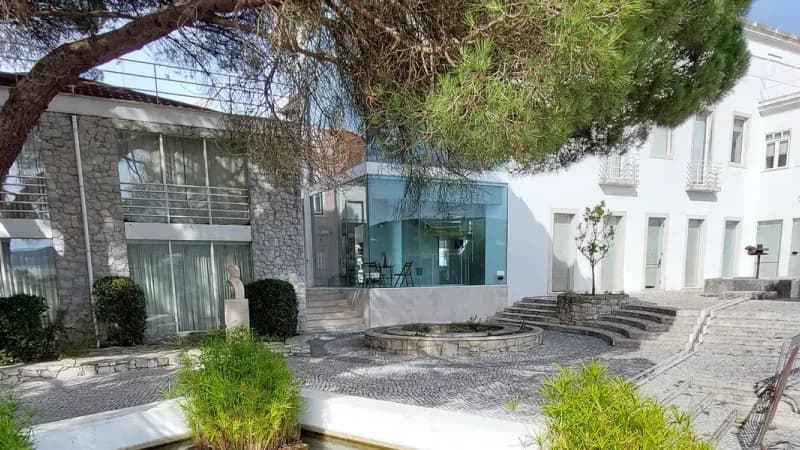
The current building was inaugurated in 2007, designed by Alcino Soutinho, and has a scale that surprises anyone who arrives without expecting much from a city this size: over a thousand square metres of exhibition spaces, auditorium, themed library, cafeteria, bookshop. But what sets it apart from other literary museums isn't the space, it's the depth of the archives. Thirty-odd donated collections, literary, artistic and editorial, from Alves Redol to Orlando da Costa, from the magazine Vértice to the Associação Feminista Portuguesa para a Paz. It's a real archive of a real movement.
The museum doesn't treat neo-realism as a museum piece. The programme includes temporary exhibitions with active curation, international conferences and travelling shows to Portimão and Rio de Janeiro. The collection circulates, the debate continues.
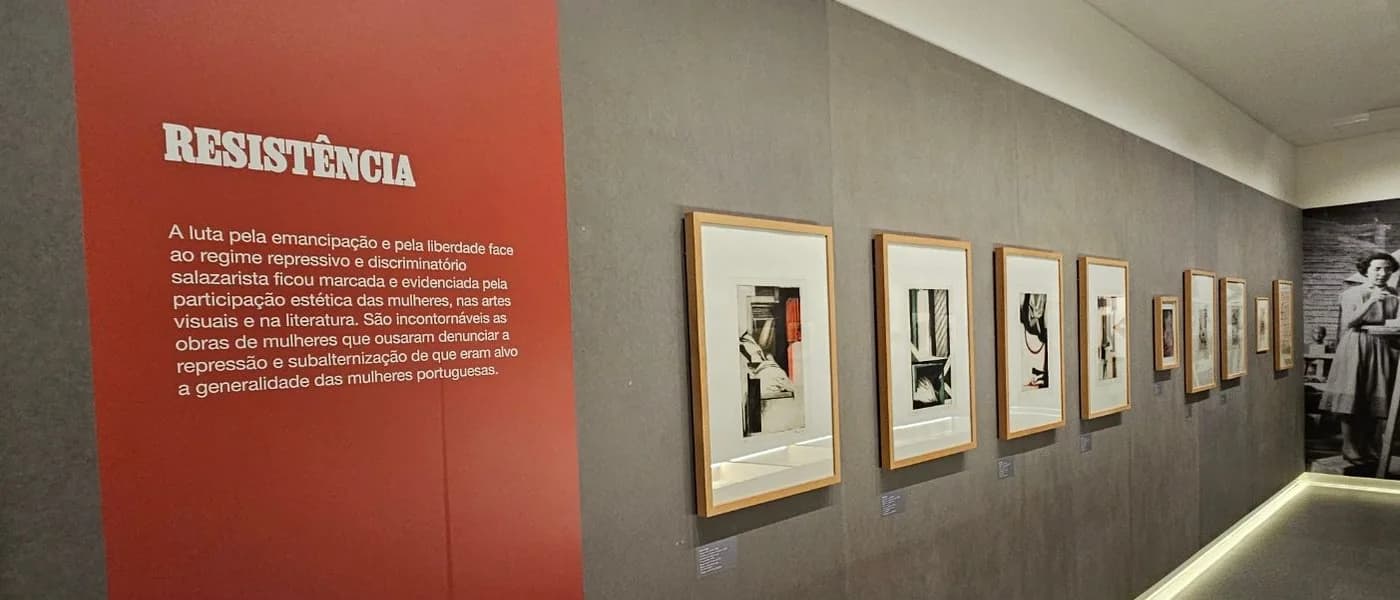
If neo-realism seems like something from the distant past, this place can change that. There are documents, manuscripts and works of art that make concrete what it was to write and paint in Portugal during the Estado Novo years, from a riverside town on the Tejo.
what nobody notices
- the connection to Alves Redol's archive gives the museum a local rootedness that few Portuguese literary museums have
- the editorial archives include cultural resistance publications that circulated under censorship
- the archive of the Associação Feminista Portuguesa para a Paz is rare and little known
- active travelling exhibitions: the museum is right now in Rio de Janeiro and Portimão simultaneously