museum or portal through time, you decide
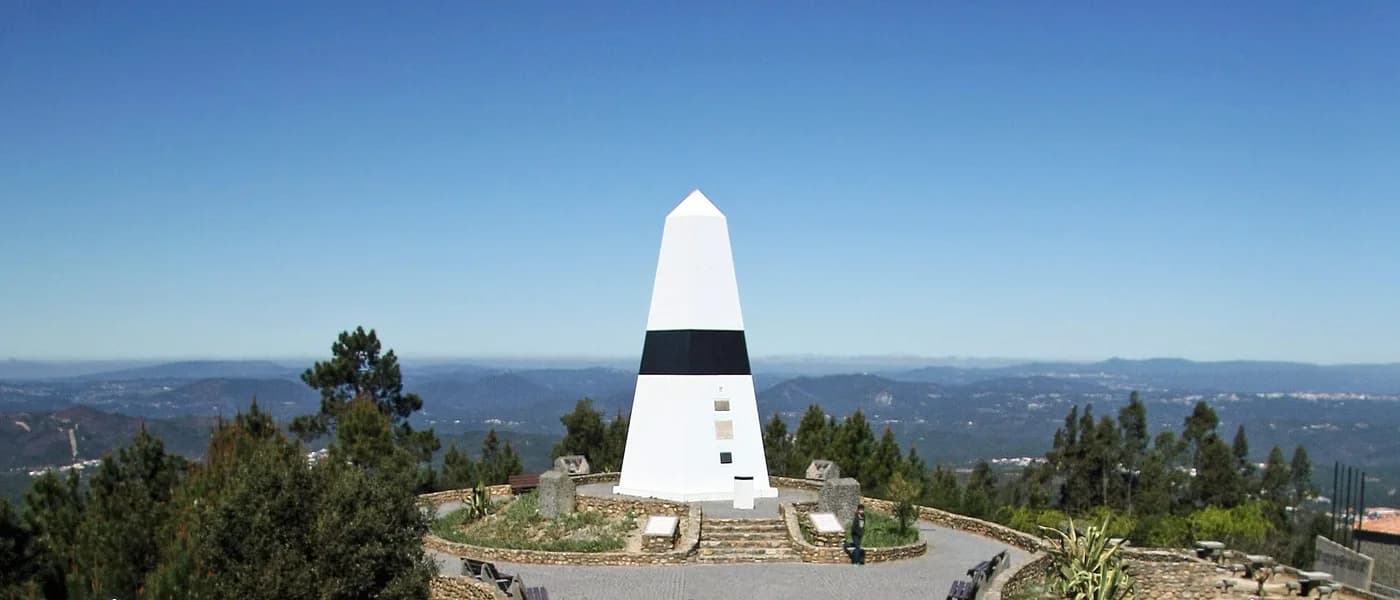
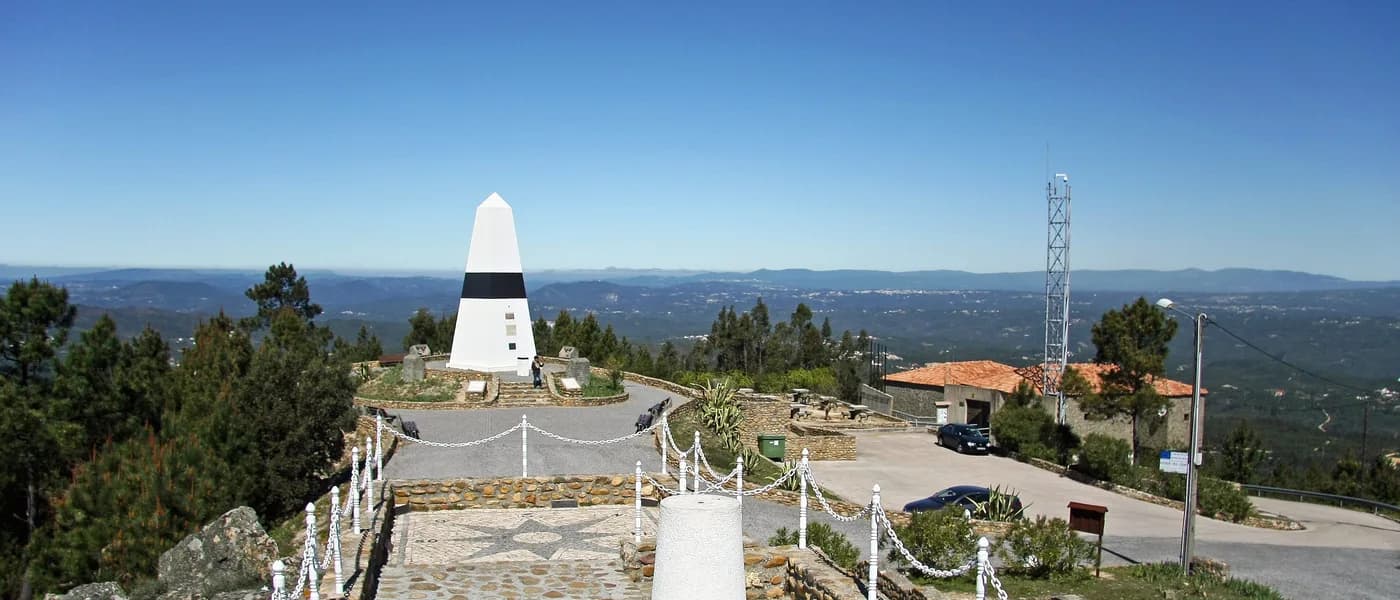
There's a geodetic vertex at the exact centre of Portugal. It's in Vila de Rei, or very close to it, and the fact that there's a museum dedicated to the science of measuring the Earth right here isn't a coincidence. Geodesy is the discipline that defines borders, lays out roads, calibrates satellites and, before all of that, walked on foot through mountain ranges and plateaus fixing reference points across the territory.
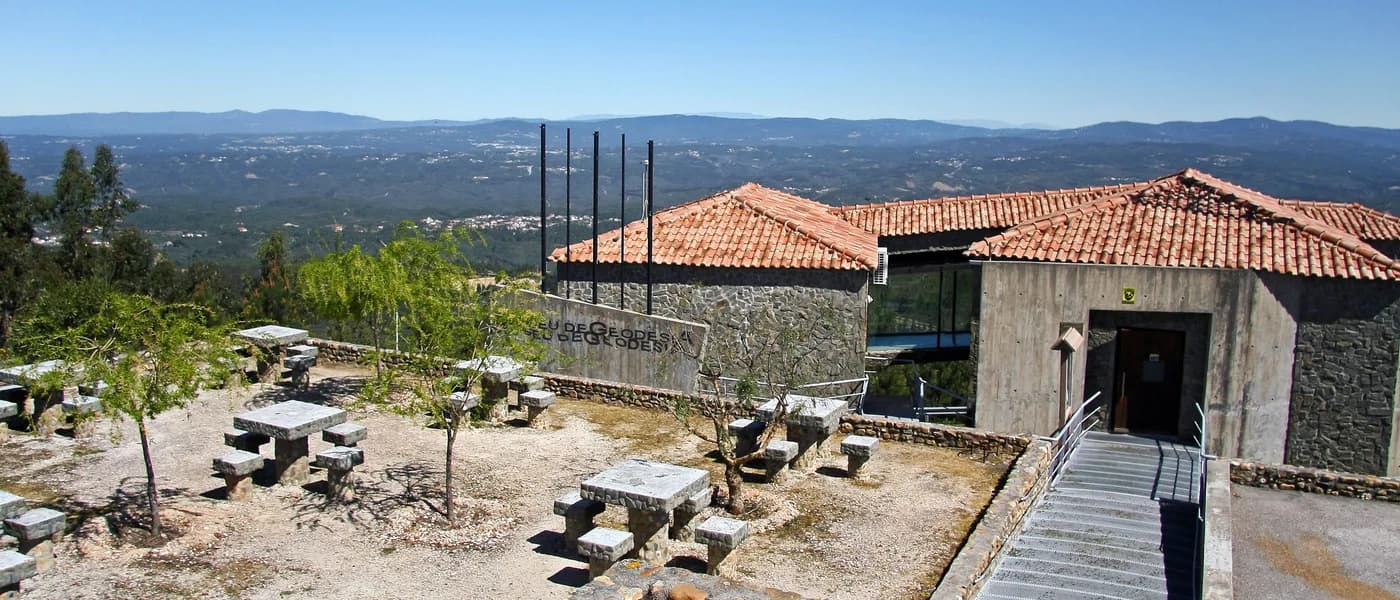
The Museu de Geodesia tells that story with the very instruments that did the work: theodolites, prisms, invar rods, triangulation maps. They're objects with physical weight and with historical weight. A lot of people walk past them without knowing they were used to measure the whole of Portugal, inch by inch, before GPS existed.
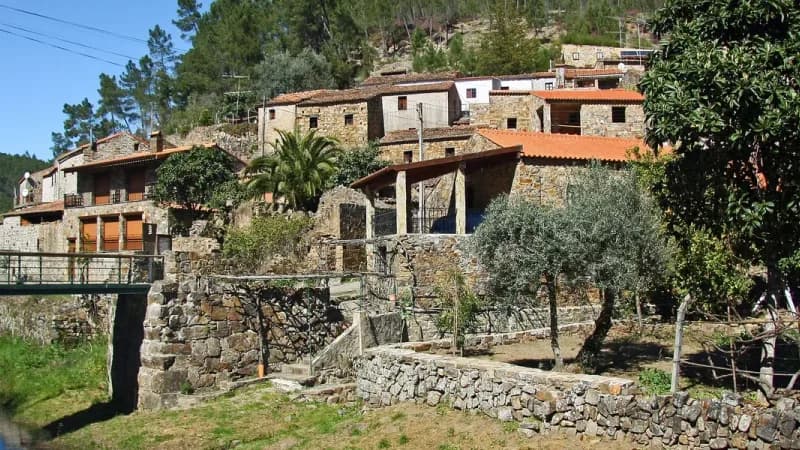
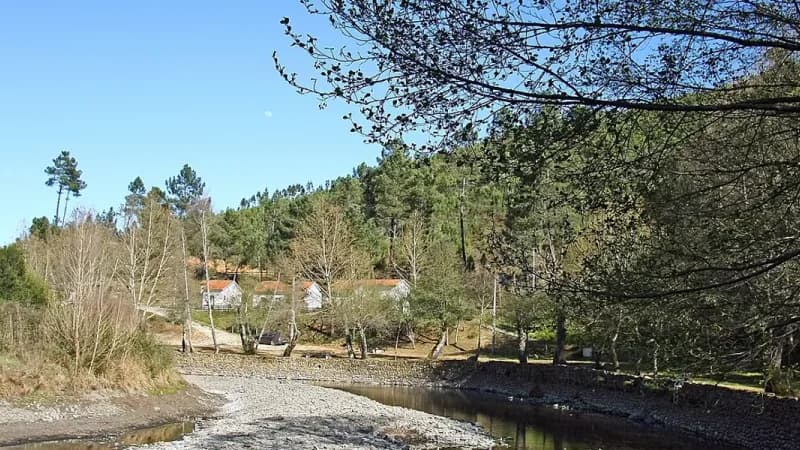
The context of Vila de Rei stretches what the museum has to offer. You're in one of the most thinly populated inland areas of the country, surrounded by a landscape that the 19th-century geodesists chose precisely for its visibility: clean sightlines between peaks, no obstacles. The display makes more sense when you look out the window and ask where those ridges begin and end.
the science of measuring what's already there
Geodetic triangulation was the method Portugal used for decades to map its territory with rigour. The principle is simple: you fix three points, you measure the angles between them, and from there you can calculate distances without walking them. In practice, it meant decades of fieldwork, in extreme visibility conditions, in places that were hard to reach.
The geodetic vertices still scattered across the Portuguese mountains are the direct result of that work. The museum links those physical landmarks to the technique that produced them, and it does that with original equipment, not replicas. It's the kind of collection that rarely survives intact.
what you'll find
- precision optical instruments used in real fieldwork campaigns
- triangulation maps covering the national territory
- a geographic context that explains why this museum is here and not somewhere else
- the quiet of an inland museum, with no organised groups or audio guides cutting in