torres vedras kept in display cases
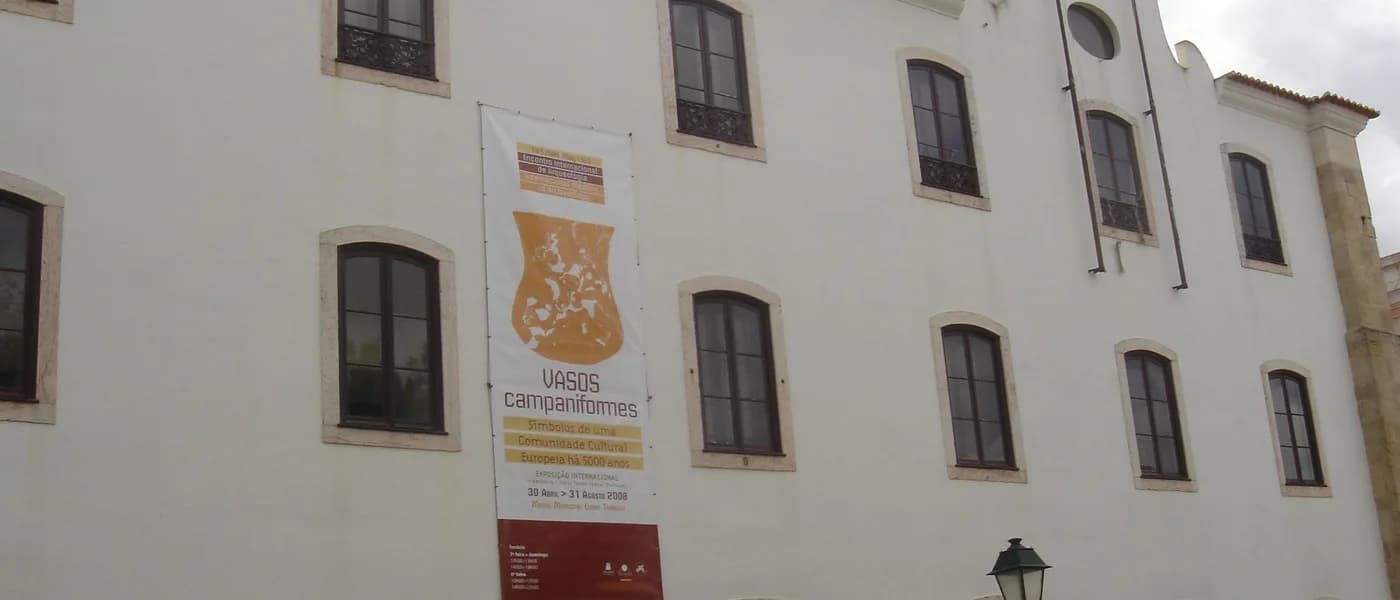
In a 16th-century convent installed in the heart of Torres Vedras, local archaeology has found its home. The building has been inhabited by Clarissan nuns, then used as a court, then as a prison: there's a long life accumulated in the walls before any piece is on display.
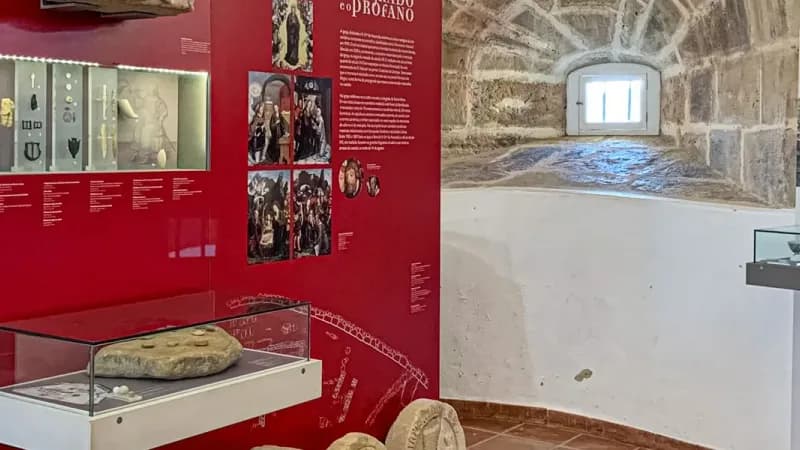
The Museu Municipal Leonel Trindade organises itself around the municipality's territory, from prehistory to the contemporary period. The archaeological collection is the strong core: spoils from excavations in the region, ceramics, metals, materials that came out of the ground in this specific part of Estremadura. It's not a museum of grand national narratives. It's a site museum, with everything that implies.
Leonel Trindade, the museum's namesake, was the local archaeologist who spent decades excavating and cataloguing the region. The collection he assembled is the backbone of what you see today. You can tell: there's a geographical coherence here that isn't always present in this kind of municipal museum.
Torres Vedras has more layers than Carnival suggests, and this museum is where that becomes concrete.
the convent beneath the museum
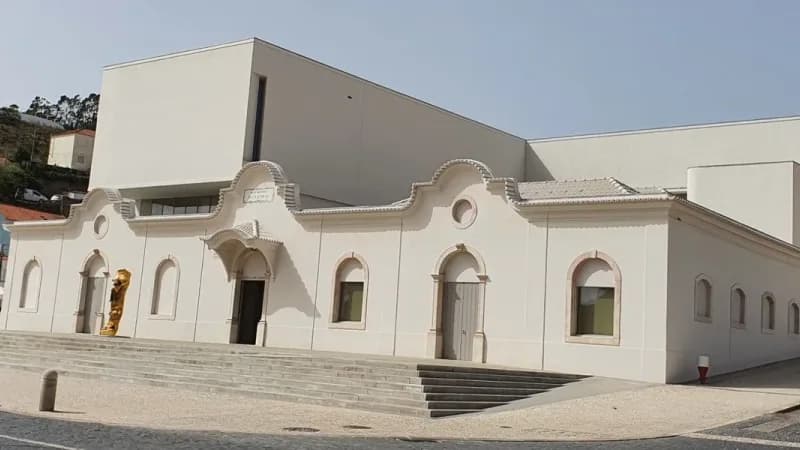
The building belonged to the Convento de São Francisco, founded in the 16th century. The religious occupation lasted centuries, but the structure survived several changes of use, each leaving its mark. Today the space has that quality that adapted convents have: high ceilings, filtered light, a scale that lets the collections breathe differently from a contemporary white box.
The building itself is part of the visit.
what you'll find
- in-depth archaeology of the municipality, from prehistory to the Islamic period
- collection assembled by Leonel Trindade over decades of fieldwork
- a Franciscan convent as the container for all of this
- few crowds, even at weekends