three centuries of walls, whales and scrimshaw
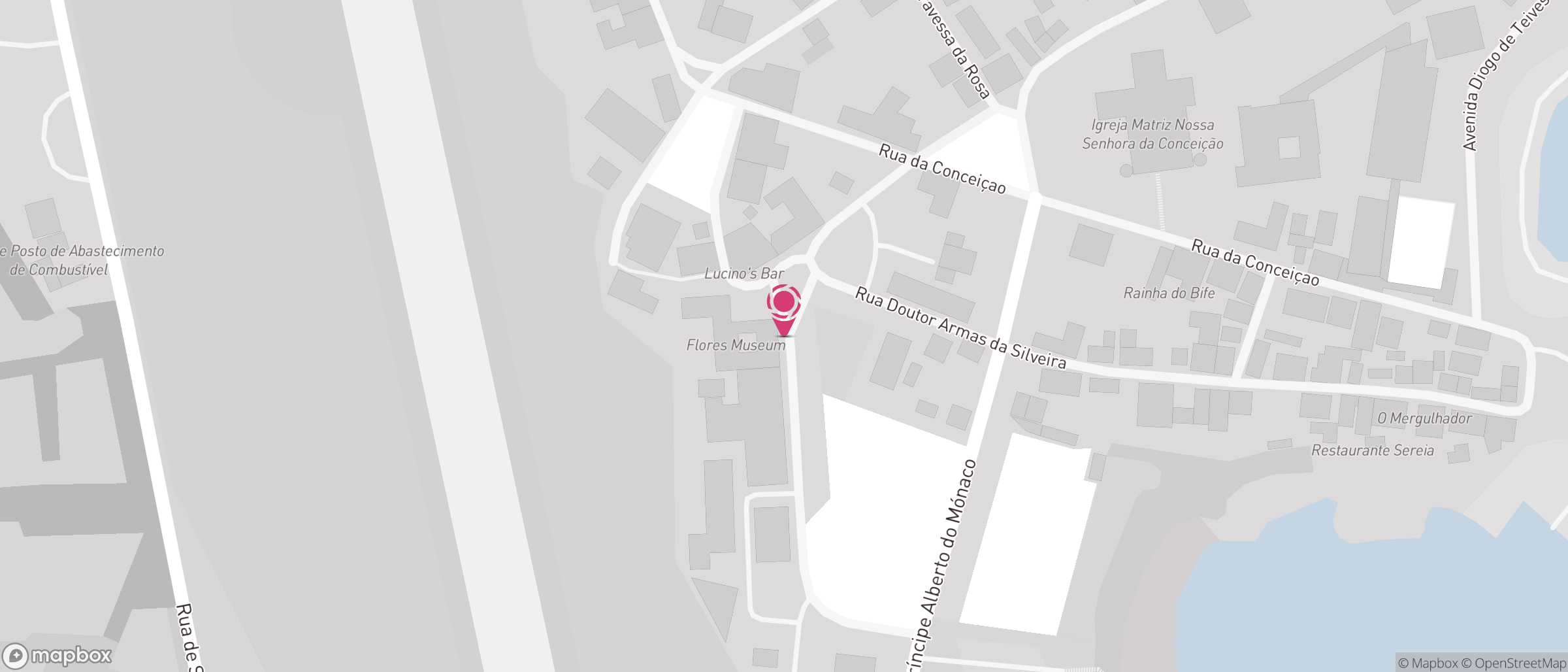
You start at the Convento de São Boaventura and you already grasp that the history here has layers. The building carries centuries before you open a single glass case. Inside, the Museu das Flores keeps two collections that don't usually appear together: ethnography of the island and underwater archaeology, each with its own weight.
The starting point of it all was a private collector. João António Gomes Vieira began gathering ethnographic objects around 1960, with special attention to scrimshaw, the art of engraving whale bone and tooth that the whalers of Flores practised in the intervals between hunts. That collection ended up giving rise to the institution, incorporated in 1977. It isn't common for a regional museum to have such a specific origin so tied to an already extinct craft.
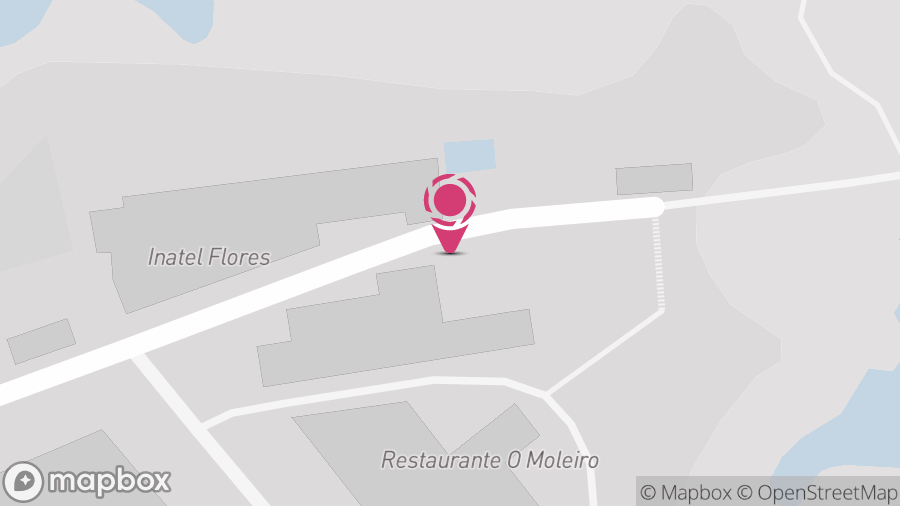
Whaling isn't just context: it's the theme that runs through everything. The Fábrica da Baleia do Boqueirão is the museum's second pole, and there you understand the industrial scale of what was done on the island. The Flores were one of the last Azorean stops where this activity had real weight. The museum keeps that memory alive with launches of books on the records of whaling in Flores and screenings of environmental cinema in the space itself.
You go to Santa Cruz and grasp that this museum isn't a closed repository. It has a programme, it has cycles, it has an active educational service. On an island with fewer than four thousand inhabitants, that says a lot about what the community decided to keep and why.
what you'll find
- original scrimshaw with decades of collecting behind it
- underwater archaeology holdings, rare in island museums
- the whale factory as a second pole, a few minutes away
- a regular cultural programme, from cinema to conferences
- the convent as a setting, not as decorative scenery