the village that wrote its own stories
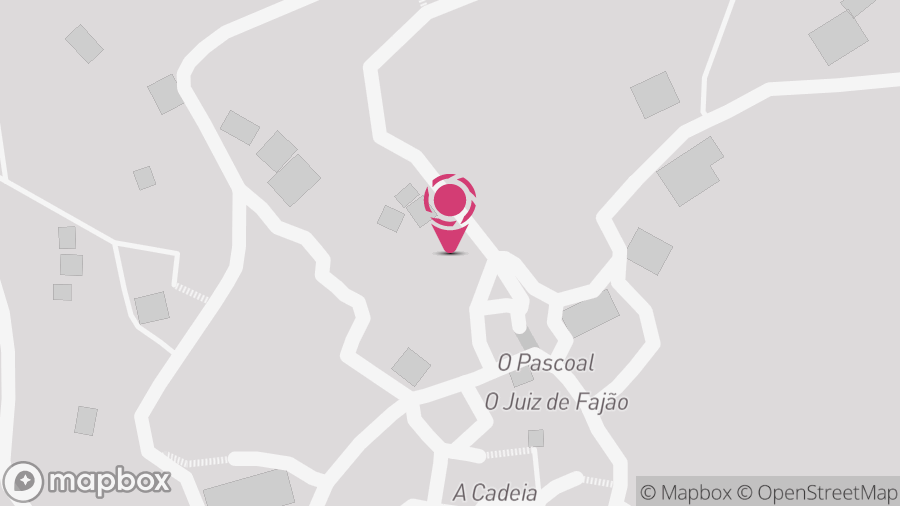
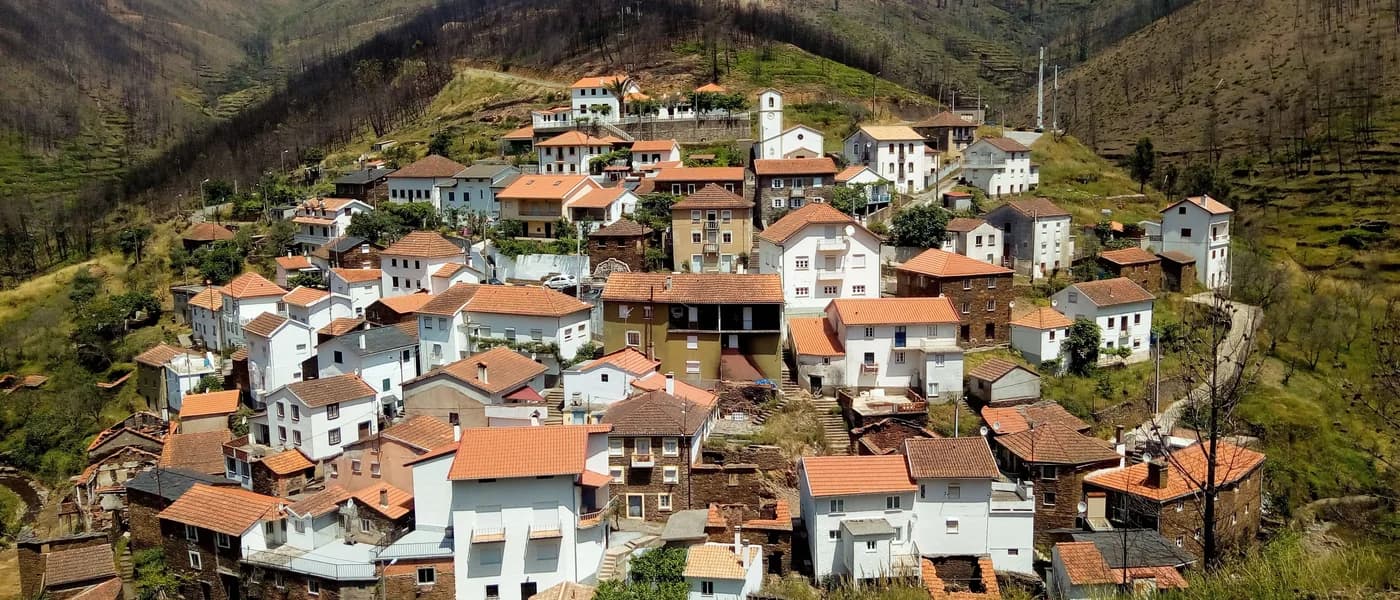
Fajão is tucked into a hollow of the Serra do Açor, overlooking the river Ceira near its source. What sets it apart from most other schist villages in the region are the Penedos de Fajão: huge whitish quartzite formations that rise above the houses like natural castles. From the Miradouro de Nossa Senhora da Guia you can see the whole village below and the rocks closing in on the horizon.
For such a small village, Fajão carries surprising institutional weight. It was its own municipality since 1233, by charter from the Prior of the Mosteiro de Folques, until the administrative reform of 1855, when it was dissolved and incorporated into Pampilhosa da Serra. It has its own museum dedicated to Monsenhor Nunes Pereira, a local priest who collected and published in 1989 the 24 Contos de Fajão through the University of Coimbra, illustrating them with his own woodcuts. He also made the stained glass windows of the Igreja Matriz. The museum holds those woodcuts, watercolours of the village, and the first public telephone that arrived here.
Fajão is also the epicentre of the Starlight Aldeias do Xisto project, chosen for the quality of its night sky. Around the village, slate panels tell the Contos de Fajão as you walk. The fires of the last decade left their mark on the surrounding slopes; the village itself survived, and the contrast with the landscape still recovering is part of what you see today.
good to know
- village in the Serra do Açor, overlooking the river Ceira near its source
- was its own municipality until 1855, with a charter from 1233
- the Chapel of Nossa Senhora da Guia has six paintings by Guilherme Filipe, a painter from Fajão
- low light pollution makes Fajão one of the best places in the country to watch the night sky