a hillfort looking out over Galiza
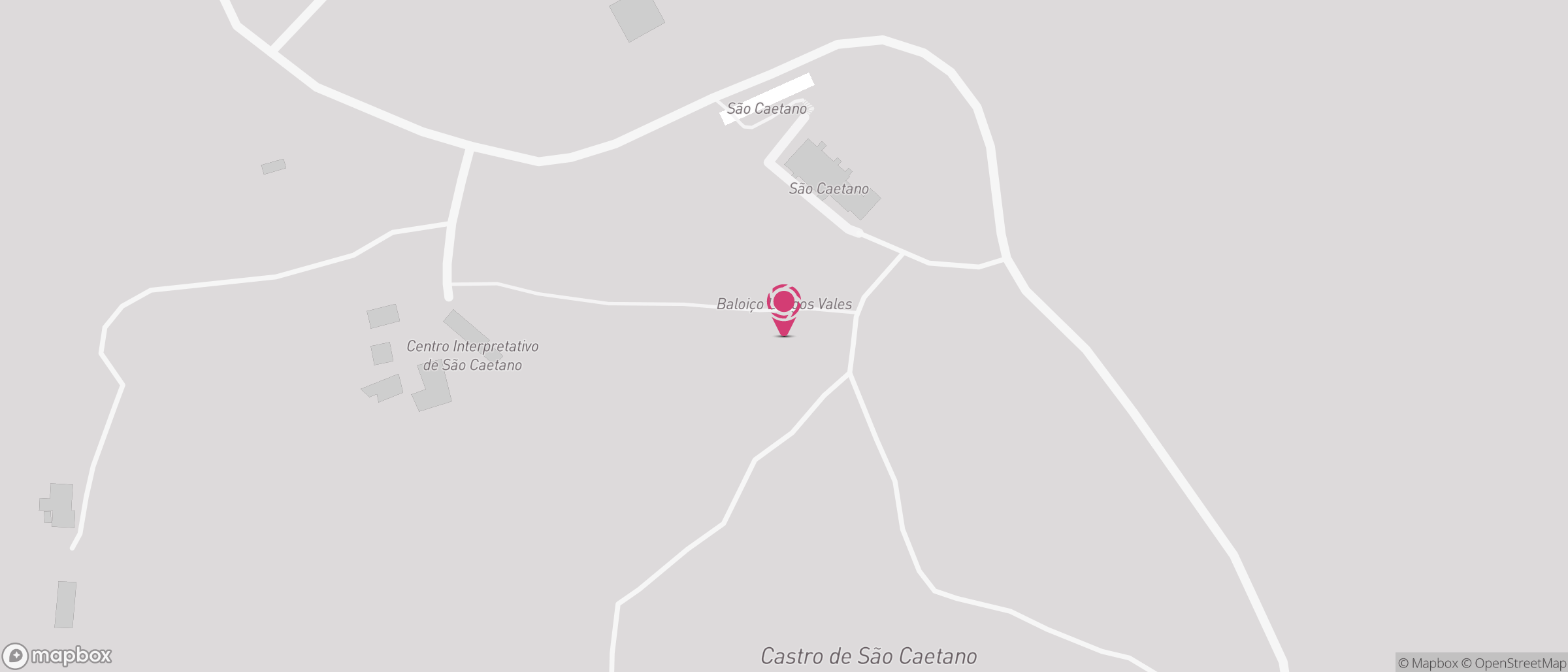
There's a hill above Monção with more than three thousand years of accumulated history and few people aware of what happened up there. The site is called Castro de São Caetano and the interpretation centre tied to it exists precisely for that: to give context to what your eyes can't read on their own when they pass a promontory full of vegetation.
The Centro Interpretativo de São Caetano works with what archaeology has been revealing in this Iron Age hillfort, on one of the highest points in the municipality. The position was no accident: from up there you controlled the Minho valley and saw what came from the other side, from Galiza. That logic of watching and dominating the territory is one of the threads the centre pulls to explain why people chose to live there.
What you find inside is interpretation, not a collection of pieces spread across cases. The aim is to assemble the story of this specific place, with its layers of occupation, its materials, its marks on the ground. For anyone who likes to understand how places were chosen and used before maps existed, it's the kind of museum that makes sense.
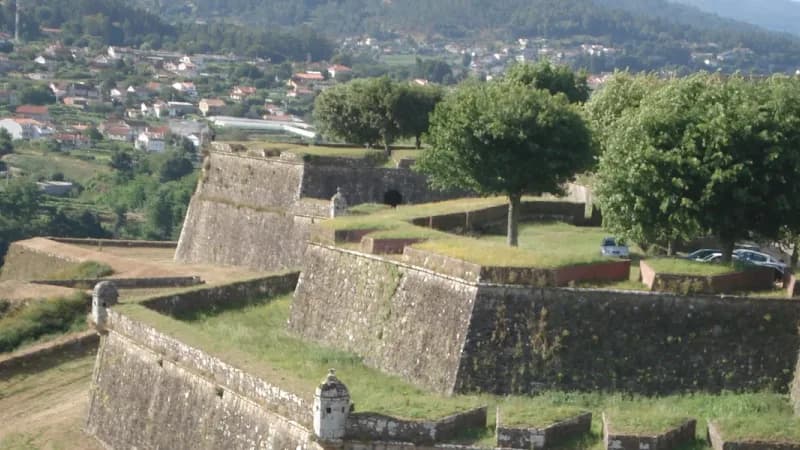
Once you leave, Monção is right there, with the Minho in sight and Salvaterra de Miño on the other side. The river the hillfort watched is still the same.
what you'll find
- archaeological interpretation of an Iron Age hillfort
- geographic context with a direct link to the Minho valley
- a small space, a focused visit with no scattering
- a starting point to understand the pre-Roman occupation of this corner of the Minho