where the atlantic turned horses to stone
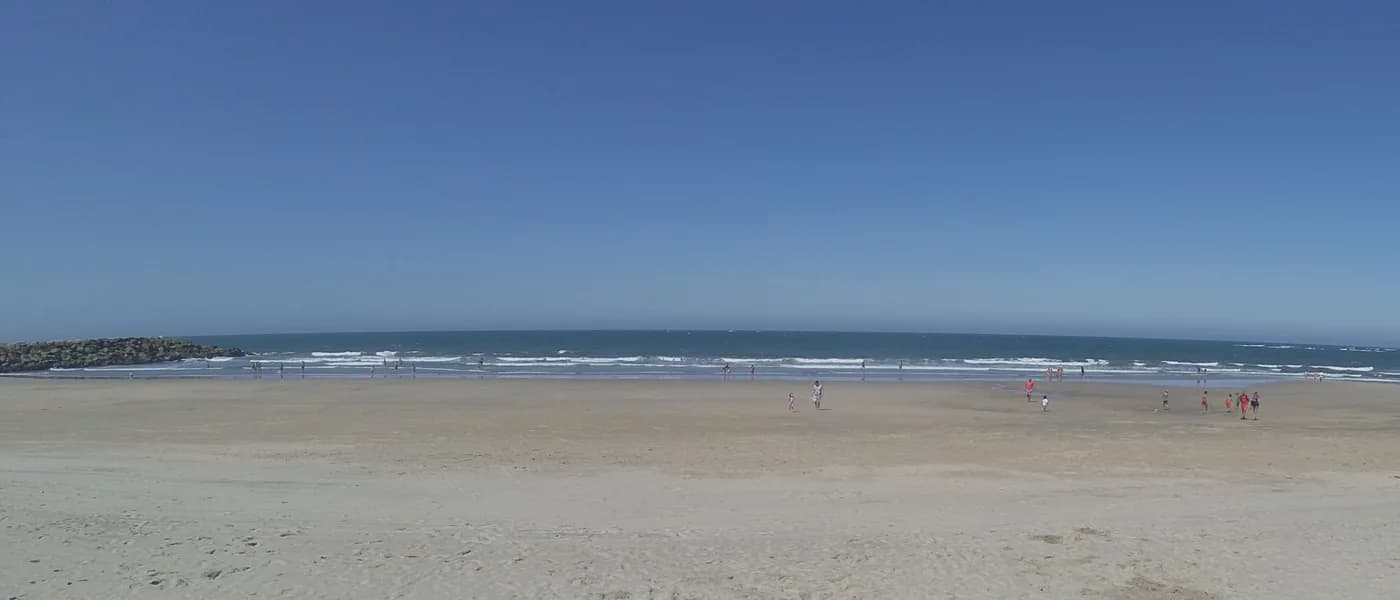
South of the mouth of the Cávado, the beach stretches long and backs against a pine forest that acts as a natural windbreak. Getting there by car is easy: there's parking, wooden boardwalks over the dunes and the concession area right in front. All of that exists in plenty of places. What doesn't exist elsewhere is what appears 500 metres from the shoreline when the tide goes out.
Those are the Cavalos de Fão: Ordovician quartzite outcrops more than 350 million years old that emerge from the sea like an archipelago of dark rock covered in white foam. The legend says King Solomon dropped them here on his way to Ofir; geology says they're witnesses to an era when life existed only in the sea, with Scolithus and Cruzianas ichnofossils visible at some points. At high tide they disappear, and that cost ships. At low tide, the foam that the wind scatters over them lets you see exactly what frightened generations of sailors.
South of the Cavalos is another formation called Pena, from the same geological era and with a similar orientation. Less famous, but just as alive: both work as natural artificial reefs inside the marine area of the Parque Natural do Litoral Norte, full of species that use the rocks for shelter and feeding.
Praia de Ofir has everything you need for a full day of wind and waves, with surf schools and conditions for kitesurfing and windsurfing on an Atlantic that doesn't hold back here. But it's with the tide going out that the beach shows what sets it apart: go with your phone charged and check the tide tables before leaving home.
go prepared for
- the Cavalos de Fão only appear at low tide: check the tables first
- constant wind even in summer, the pine forest doesn't stop all of it
- strong swell and currents typical of exposed Atlantic
- the Pena formation to the south, with almost no tourist signage