the fired clay that kept the Douro warm
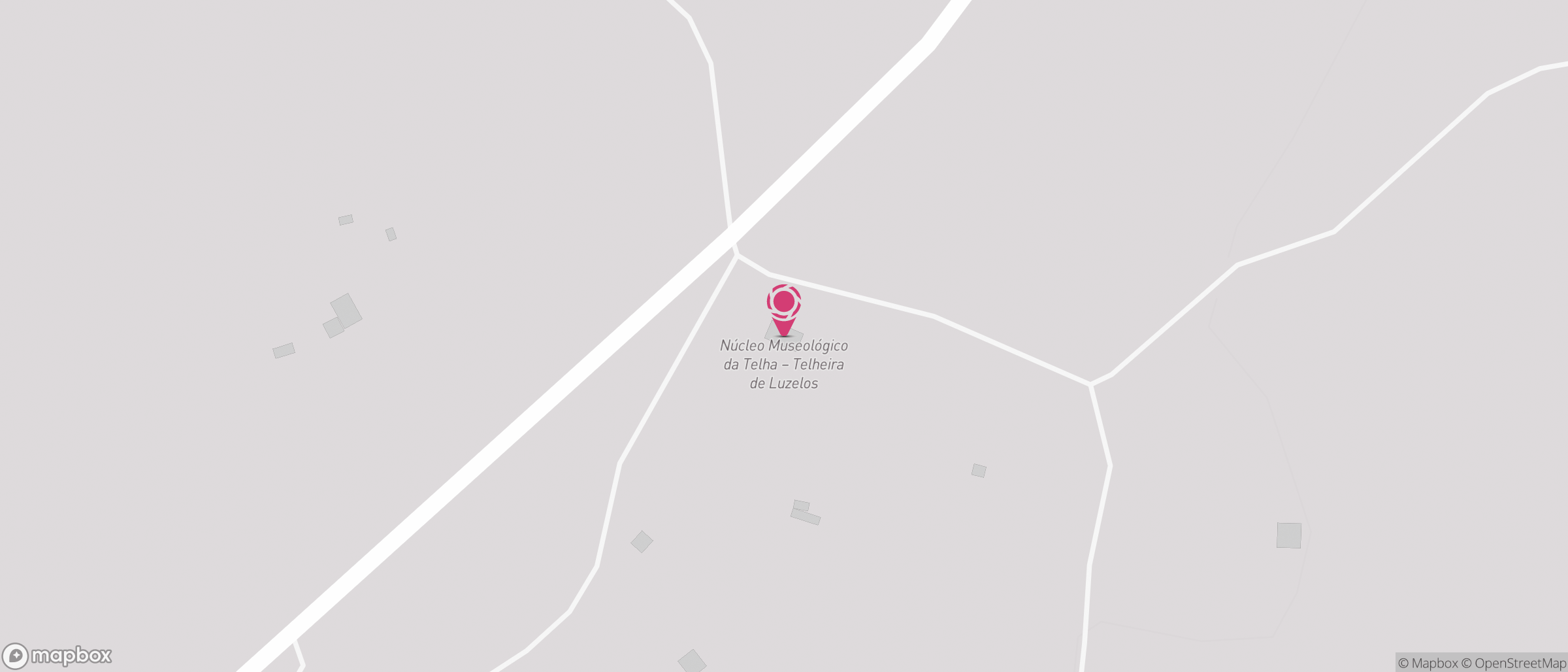
There's a simple logic behind all of this: someone needed to cover roofs, the clay was right there, and the tile works ran for decades on end. The Núcleo Museológico da Telha, in the village of Luzelos, is the record of that craft, kept in the very place where it happened.
You're not met by sleek explanatory panels or modern installations. What you find is the structure of the old tile works, with the equipment that still tells you what it was to make tiles by hand, the running of the kiln, the rhythm of those who lived off it. The raw material was local, the labour was local, and the result covered houses across the whole municipality.
Carrazeda de Ansiães has this knack for keeping the traces of its own economy without turning them into a show. Going to Luzelos is grasping a bit more of how the territory held itself up before there was anything else.
what you'll find
- the original structure of the tile works preserved
- equipment for handmade tile production
- small scale, no crowds on the visit
- a Trás-os-Montes village around it, with everything that implies