the community that governed itself
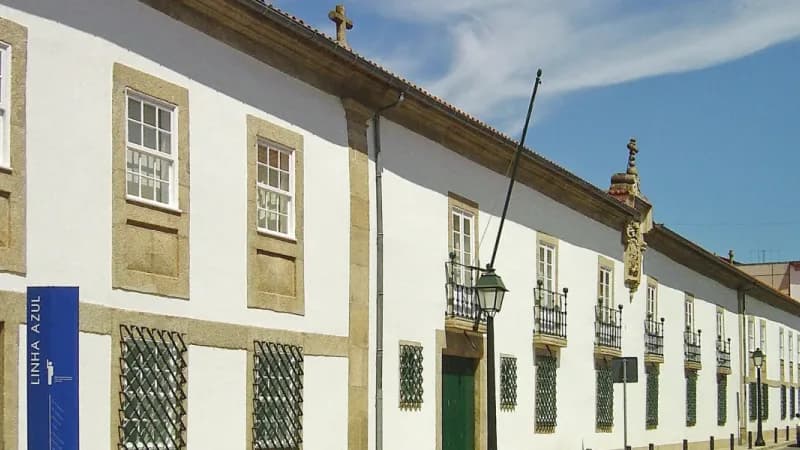
Rio de Onor isn't just any village. It sits right on the border with Spain, a few steps from Rihonor de Castilla, and for centuries the two sides operated as a single community, with shared land, water and decisions. The Casa do Touro keeps the memory of that system, one of the last living examples of communal organisation in Portugal.
The building was the centre of the village's collective life. The council met here, decisions about farming and livestock were made here, what you now sort out at the courthouse or town hall was sorted out here. The name comes from the communal bull, which belonged to everyone and serviced the cows of the whole village, a small detail that says a lot about how everything worked here.
Today the space is a small museum, but a dense one. The objects and panels tell how Rio de Onor held out against isolation and time with a logic of its own, barely needing the State. It isn't the kind of museum where you walk in and out in five minutes feeling you've looked at some photographs.
You come all the way to the edge of the Trás-os-Montes world and ask yourself how such a small village had such big ideas about how to live together.
the village as a laboratory
Rio de Onor was studied by ethnologists, anthropologists and geographers for decades. Jorge Dias, one of the great names of Portuguese ethnography, dedicated a foundational study to it in the 1950s that is still a reference today. What he found was a community that shared pastures, forests, mills and the bread oven according to its own rules, passed down orally from generation to generation.
The border here is a formality. The language spoken, rionorês, is a dialect that mixes Portuguese and Castilian and is heard on both sides. The village council brought together people from both countries as if the line on the map didn't exist. That reality still shines through in the museum, which doesn't treat Rio de Onor as an isolated Portuguese village, but as part of something larger and older.
come prepared for
- proper silence, the village has very few permanent residents
- a border you cross on foot without noticing
- panels in Portuguese with ethnography that doesn't simplify
- cold that cuts even outside winter, the plateau doesn't forgive
- the sense that you've reached the edge of something