a 13th-century manor house that became a museum, and stayed one
The building existed before Portugal was what it is today. Granite, coats of arms, walls with memory. On the main facade are the Royal Arms. On the west facade, two eagles, the arms of the Aguilares, the first lords of Vila Flor. It was already here when this was a different country.
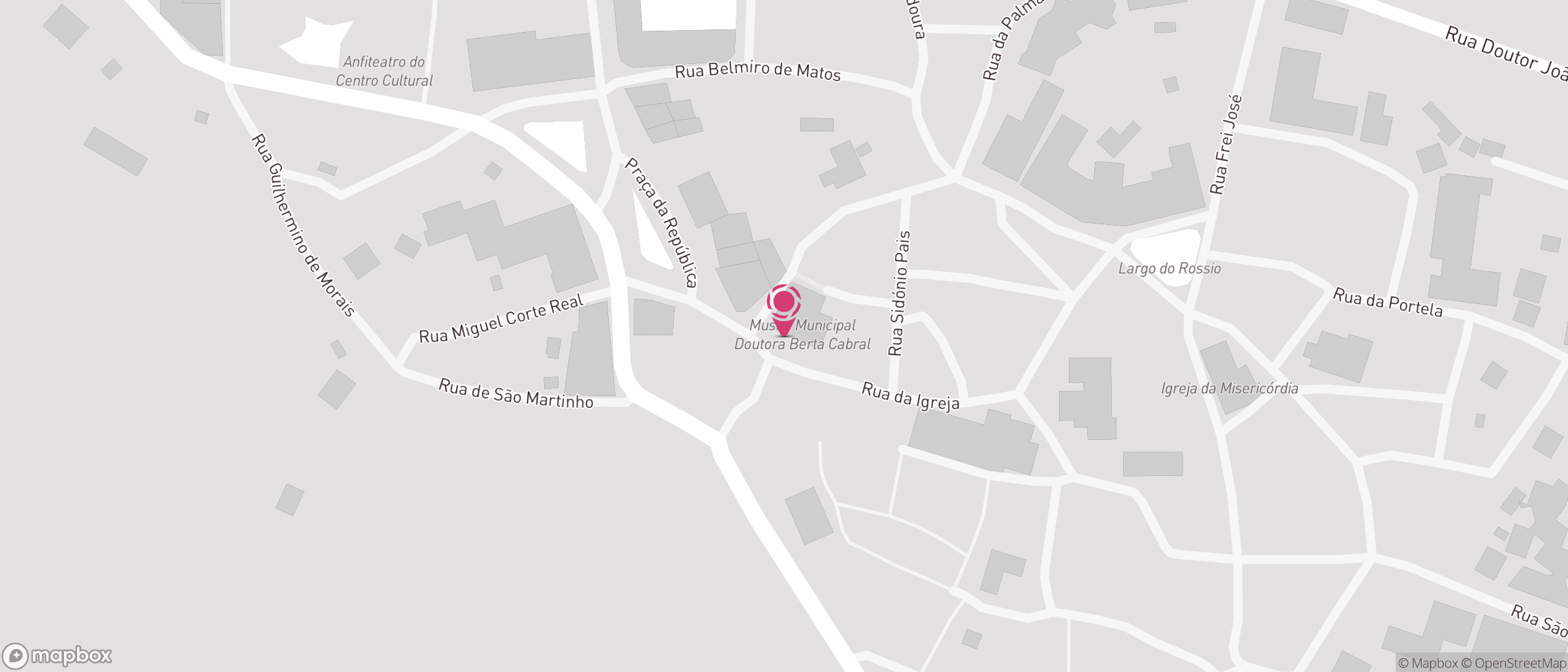
The Museu Municipal Doutora Berta Cabral was born here in 1957, on the initiative of Raúl de Sá Correia, the town hall secretary who spent his life building the collection and only left the post at his death, in 1993. Around 3,000 pieces, almost all from the municipality. Painting, archaeology, ethnography, sacred art, numismatics, African crafts. The mix is real, not curated to look interesting.
The same building has been a municipal butcher's, a tax office, a police post and a library. Today it's a museum. Before that it was the Solar dos Aguilares and the Town Hall. The list says everything about how the Trás-os-Montes interior treats its spaces: uses them to the end, changes what needs changing, throws nothing away.
You walk in one afternoon in the Douro transmontano and realise that Vila Flor holds things most places have already lost.
what you'll find
- a building that is itself the biggest piece in the collection
- coats of arms and royal arms in granite on the facade
- paintings by Manuel António de Moura among the holdings
- African crafts alongside local archaeology, no apology made
- a local museum, built by someone who genuinely wanted to build it