the granary that became the island's memory
There's a garden between two buildings where cannons rest in the open air. They're artillery pieces from the island's old fortifications, displayed there like garden furniture, and they make it clear straight away that the Museu da Graciosa isn't content with display cases.
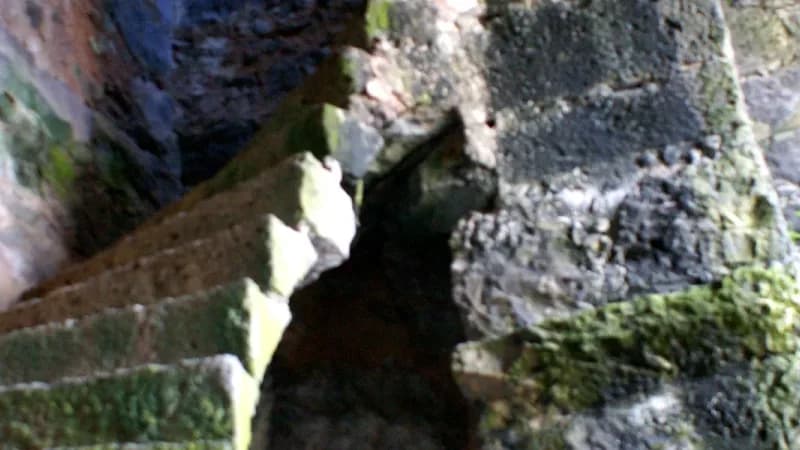
The oldest building was a granary: it stored cereals and wine before becoming a museum in 1983. The original cellar is intact, with the wine press and presses in their right place. In the same building you find the trades that defined the island for generations: cooperage, pottery, shoemaking, carpentry, cabinetmaking. Some no longer exist out there. They exist here.
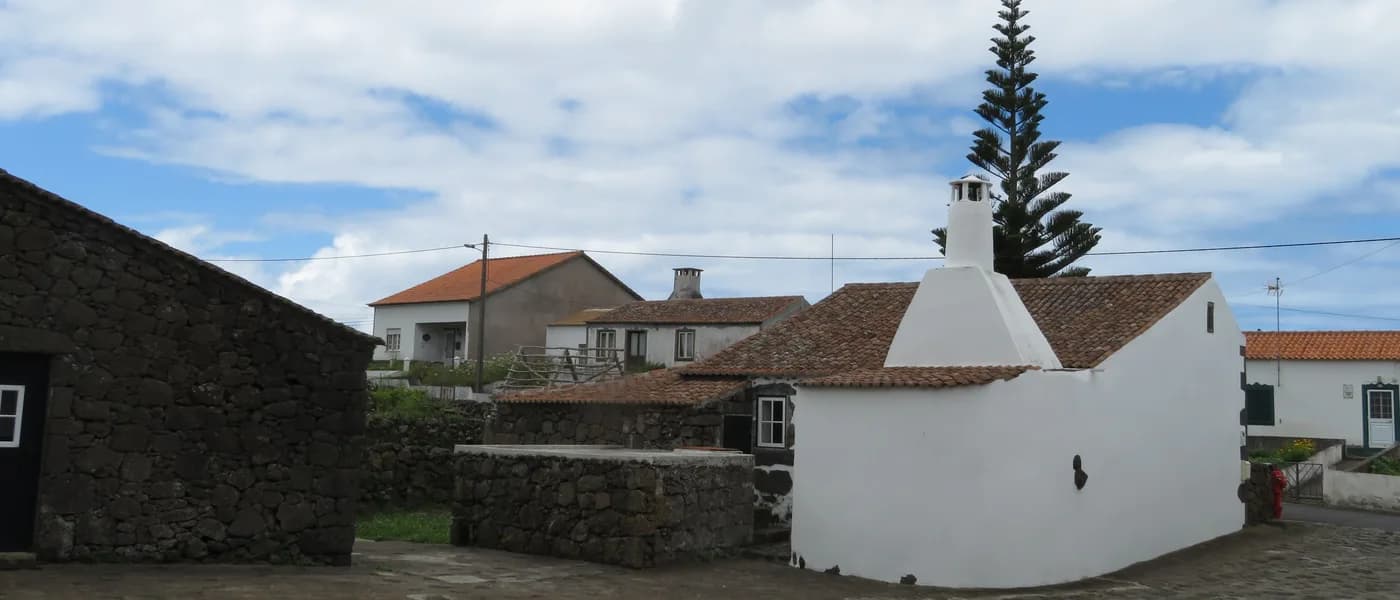
The 2010 expansion brought the permanent exhibition dedicated to farming tools and organised what was previously scattered. But the museum doesn't fit in the two buildings at the centre of Santa Cruz: it has five units spread across Graciosa. The whale-boat shed near the harbour in Calheta and the island's typical windmill are the only ones you can visit without booking, and both are worth the detour in their own right.
Coming to Graciosa and ignoring this museum means missing the island's key to understanding. There's no other way to grasp why this small patch in the Atlantic resisted pirates, grew vines on volcanic ground and kept trades that time erased everywhere else.
pirates, filipinos and cannons in the garden
Graciosa was frequently targeted by pirate and corsair attacks, especially during the Philippine dynasty period, when Portugal and Spain shared the crown and the seas were restless. The artillery pieces displayed in the museum garden came from the fortifications built to respond to those threats. They're not decoration: they're the physical record of an island that had to defend itself.
That story of resistance runs through the collection without being announced in big panels. It appears in the cellar that survived, in the cannons between the plants, in the tools of trades that no one practises anymore.
what you'll find
- the original cellar with wine press and presses, no reconstruction
- cannons from the island's old defences in the garden between the two buildings
- room of extinct trades: cooperage, pottery, shoemaking among others
- whale-boat unit near the harbour, outside the main building
- island's typical windmill in Santa Cruz, also open to visitors